How do local farmers in Mallorca sell their organic produce to visitors?
Similar Topics
organic produce
farmers markets
local food
mallorca agriculture
farm-to-table
serra de tramuntana
mallorca festivals
mallorca farms
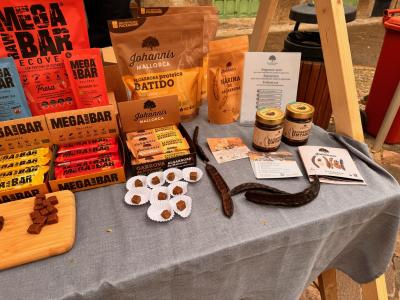
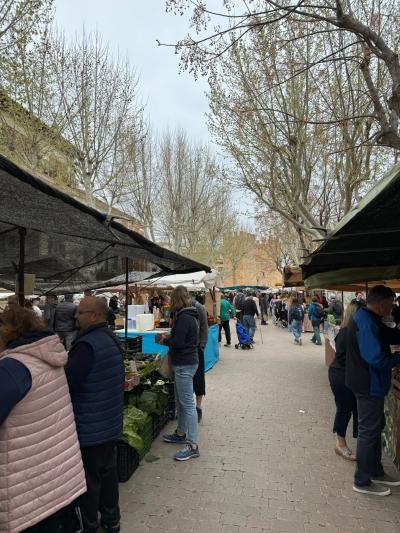
The aroma of fresh herbs and citrus fills the air around markets like Mercat de l'Olivar in Palma, where local farmers display their organic fruits, vegetables, and artisanal goods with inviting colors. Here, producers often chat with visitors about their methods, sharing insights into cultivating crops sustainably on the island’s sun-soaked terraces. Sampling sobrassada or sweet ensaimada at a stall can create a direct sensory connection that encourages people to buy, tempting them with tastes that are authentic and fresh.
Beyond the larger markets in Palma and Inca, many small farms near towns such as Pollenca or Soller build partnerships with local restaurants serving Mallorcan specialties—from pa amb oli to tumbet—which helps bring organic island produce directly to the table. Some farms welcome visitors for tours or workshops, offering a behind-the-scenes look at traditional and organic farming practices along the winding Ma-10 road into the Serra de Tramuntana. These experiences highlight the farmers’ commitment to the land and the unique flavors that come from Mallorca’s distinctive microclimates.
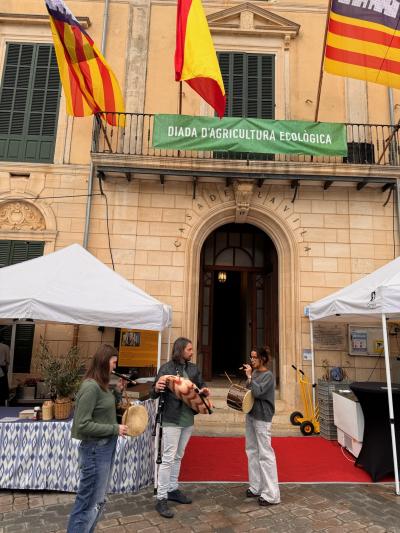
Social media complements these efforts, with growers sharing vibrant images of ripe olives, Binissalem wine grapes, or freshly harvested almonds to attract curious food lovers. They also participate in local festivals like the Festa de l’Ametler, where the blooming almond trees celebrate the island’s agricultural roots. At these lively events and village markets, the mix of tradition, quality, and storytelling helps deepen visitors’ appreciation, fostering a connection that goes beyond a simple transaction. Each purchase supports the continuation of Mallorca’s rich farming heritage while inviting visitors to taste the island’s soil, sun, and sea in every bite.
Beyond the larger markets in Palma and Inca, many small farms near towns such as Pollenca or Soller build partnerships with local restaurants serving Mallorcan specialties—from pa amb oli to tumbet—which helps bring organic island produce directly to the table. Some farms welcome visitors for tours or workshops, offering a behind-the-scenes look at traditional and organic farming practices along the winding Ma-10 road into the Serra de Tramuntana. These experiences highlight the farmers’ commitment to the land and the unique flavors that come from Mallorca’s distinctive microclimates.
Social media complements these efforts, with growers sharing vibrant images of ripe olives, Binissalem wine grapes, or freshly harvested almonds to attract curious food lovers. They also participate in local festivals like the Festa de l’Ametler, where the blooming almond trees celebrate the island’s agricultural roots. At these lively events and village markets, the mix of tradition, quality, and storytelling helps deepen visitors’ appreciation, fostering a connection that goes beyond a simple transaction. Each purchase supports the continuation of Mallorca’s rich farming heritage while inviting visitors to taste the island’s soil, sun, and sea in every bite.

Alcanada
More Fotos