What role did Felanitx play in Mallorca's overall history?
Similar Topics
Felanitx history
Mallorca travel
Mallorca wine
Cala Marçal
Mallorca beaches
Sant Alfons church
Mallorca culture
Mallorca festivals
traditional Mallorcan craftsmanship
Mallorca tourism
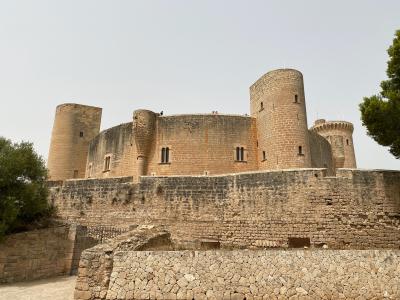
Felanitx, a charming town in the southeast of Mallorca, has played a significant role in the island's history, particularly from the medieval period onward. Founded during the Arab occupation in the 10th century, Felanitx was originally known as "Falanitx," a name thought to derive from the Arabic term for a "place of abundance." Its strategic location made it an essential agricultural hub, benefiting from the fertile lands surrounding it, which were used for cultivating grapes, olives, and cereals. The town’s development accelerated after the Christian conquest in the 13th century, leading to the construction of notable landmarks, including the impressive Sant Alfons church and the striking 13th-century castle ruins, which reflect its historical significance.
As the centuries progressed, Felanitx became known for its thriving wine industry, particularly with the establishment of the local wine cooperative, which still produces some of the island's finest wines today. The town has also been a center of craftsmanship, particularly in pottery and ceramics, showcasing the traditional Mallorcan artistic flair. Throughout the years, Felanitx has maintained its cultural heritage, with festivals such as the Feast of Sant Agustí, where locals celebrate with food, music, and dance, offering visitors a glimpse into the town's vibrant community life.
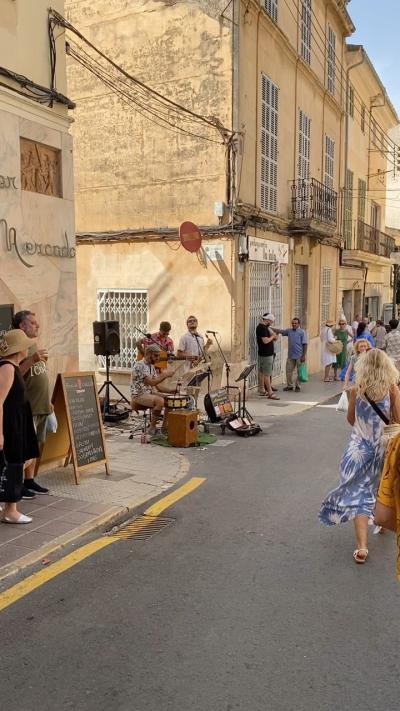
In modern times, Felanitx has transformed into a lovely destination for travelers seeking to experience the authentic charm of Mallorca, away from the more tourist-heavy areas. Its picturesque streets, local markets, and beautiful landscapes provide a serene backdrop for exploration. The town also serves as a gateway to nearby natural attractions like the stunning beaches of Cala Marçal and the dramatic cliffs of the surrounding coastline, making it a perfect blend of history, culture, and nature for anyone visiting the island.
As the centuries progressed, Felanitx became known for its thriving wine industry, particularly with the establishment of the local wine cooperative, which still produces some of the island's finest wines today. The town has also been a center of craftsmanship, particularly in pottery and ceramics, showcasing the traditional Mallorcan artistic flair. Throughout the years, Felanitx has maintained its cultural heritage, with festivals such as the Feast of Sant Agustí, where locals celebrate with food, music, and dance, offering visitors a glimpse into the town's vibrant community life.
In modern times, Felanitx has transformed into a lovely destination for travelers seeking to experience the authentic charm of Mallorca, away from the more tourist-heavy areas. Its picturesque streets, local markets, and beautiful landscapes provide a serene backdrop for exploration. The town also serves as a gateway to nearby natural attractions like the stunning beaches of Cala Marçal and the dramatic cliffs of the surrounding coastline, making it a perfect blend of history, culture, and nature for anyone visiting the island.
Palma
More Fotos