How did the political landscape in Mallorca change after Jaume III's reign?
Similar Topics
Mallorca history
Jaume III
Crown of Aragon
War of the Two Peters
Balearic Islands
Mallorca governance
Palma city
Mallorca culture
Aragonese policies
Mallorca tourism
After Jaume III's reign, which ended in 1349, the political landscape of Mallorca underwent significant transformations, largely influenced by external pressures and internal dynamics. Jaume III, the last king of the Kingdom of Mallorca, faced challenges from the Crown of Aragon, which sought to consolidate its power over the Balearic Islands. His defeat in the War of the Two Peters, along with the subsequent annexation of Mallorca by Aragon, marked a pivotal shift in the governance of the islands. The integration into Aragonian rule brought about a centralized authority that altered the previously more autonomous governance structure.
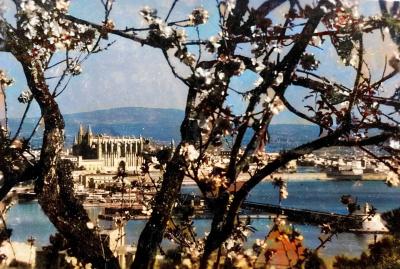
Following this transition, Mallorca became part of a larger political entity, leading to a blend of local customs with broader Aragonese policies. The island's nobility had to navigate a new political environment, which often favored loyalty to the Aragonese Crown. This shift also had implications for trade and social relations, as the islands increasingly connected with the mainland, fostering a more diverse economic landscape. The political changes encouraged the growth of urban centers, with Palma becoming a key administrative hub, reflecting the transition from a kingdom to a province within a larger empire.
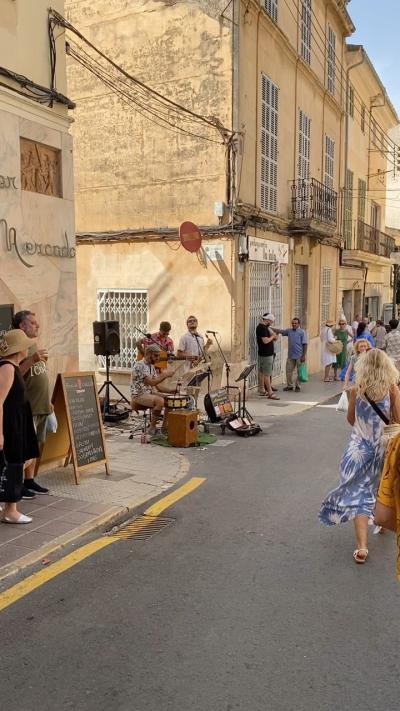
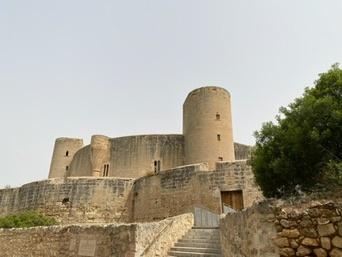
As time went on, these changes led to a more complex identity for Mallorca, blending its rich cultural heritage with influences from the mainland. This evolving political landscape created a unique fusion of traditions, seen in the architecture, cuisine, and local festivities that travelers can still experience today. Exploring Mallorca, you'll find remnants of this fascinating history in its castles, churches, and bustling markets, which tell the story of a place shaped by both its local rulers and the broader forces of history.
Following this transition, Mallorca became part of a larger political entity, leading to a blend of local customs with broader Aragonese policies. The island's nobility had to navigate a new political environment, which often favored loyalty to the Aragonese Crown. This shift also had implications for trade and social relations, as the islands increasingly connected with the mainland, fostering a more diverse economic landscape. The political changes encouraged the growth of urban centers, with Palma becoming a key administrative hub, reflecting the transition from a kingdom to a province within a larger empire.
As time went on, these changes led to a more complex identity for Mallorca, blending its rich cultural heritage with influences from the mainland. This evolving political landscape created a unique fusion of traditions, seen in the architecture, cuisine, and local festivities that travelers can still experience today. Exploring Mallorca, you'll find remnants of this fascinating history in its castles, churches, and bustling markets, which tell the story of a place shaped by both its local rulers and the broader forces of history.

More Fotos