Are there any walking tours that explore the history and culture of Inca town on Mallorca?
Similar Topics
inca walking tours
inca history
mallorca culture
sobrassada
ensaimada
festa de l'ametler
mallorca markets
ma-13 road
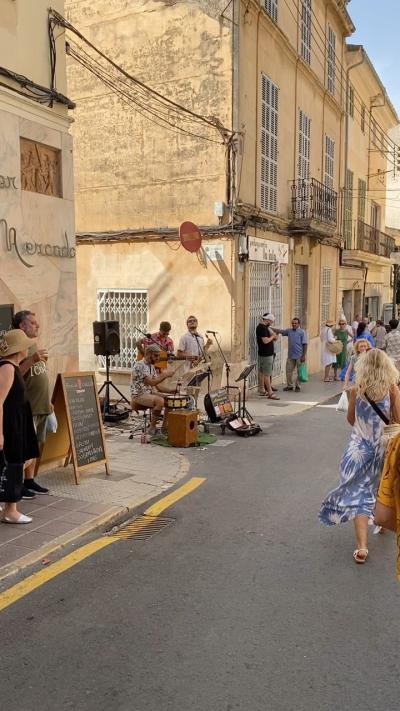
The best time to explore Inca’s heritage on foot is during the cooler mornings or late afternoons, when the sun softens and the town reveals its richer colours. Inca, famous for its leather artisans and lively markets, offers several guided walking tours that delve into its historical and cultural past. As you stroll through the narrow streets, a guide will often point out the impressive Church of Santa Maria la Major with its Gothic and Baroque influences, alongside traditional craft workshops where the centuries-old art of shoemaking is still alive.
The town’s market, held twice a week, is a vibrant showcase of local agriculture and crafts, where you can sample Mallorca’s specialties such as sobrassada sausage and ensaimadas pastries. These tours also weave stories of the town’s role as a trading hub in the island’s interior, adding layers of context about how Inca grew around its position on the Ma-13 road.
For a deeper immersion, some walking tours connect Inca with nearby villages like Sineu or Binissalem, revealing the cycle of local festivals and the agricultural calendar that shaped life here. During the Festa de l'Ametler, for instance, the almond blossom heralds a cultural celebration rich with music and traditional foods. Whether you linger in town or venture beyond, these walks provide a well-rounded view of the island’s rural heart and its enduring crafts tradition.
The town’s market, held twice a week, is a vibrant showcase of local agriculture and crafts, where you can sample Mallorca’s specialties such as sobrassada sausage and ensaimadas pastries. These tours also weave stories of the town’s role as a trading hub in the island’s interior, adding layers of context about how Inca grew around its position on the Ma-13 road.
For a deeper immersion, some walking tours connect Inca with nearby villages like Sineu or Binissalem, revealing the cycle of local festivals and the agricultural calendar that shaped life here. During the Festa de l'Ametler, for instance, the almond blossom heralds a cultural celebration rich with music and traditional foods. Whether you linger in town or venture beyond, these walks provide a well-rounded view of the island’s rural heart and its enduring crafts tradition.

More Fotos


Related Questions
Related Question
What traditional desserts should I try while visiting Mallorca?
Related Question
What types of maps and brochures are available at the tourist offices around Palma and other towns?
Related Question
Are there cooking classes on the island that include a visit to a local market for fresh Mallorcan ingredients?