What distinctive architectural features should I look for when exploring Palma's historic buildings?
Similar Topics
palma old town
gothic architecture
mallorcan balconies
stone courtyards
la seu cathedral
tramuntana villages
ceramic tiles
wrought ironwork
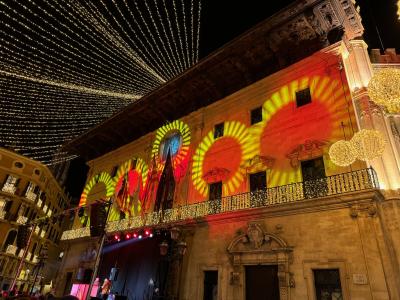
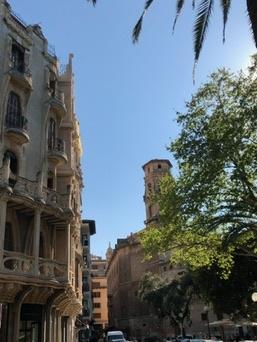
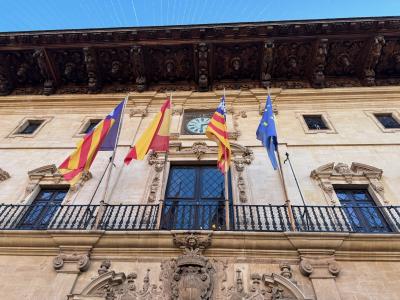
Historic buildings in Palma reveal a fascinating blend of Gothic and Moorish influences, reflecting the island’s layered past. One of the most impressive sights is the grandeur of Palma Cathedral, La Seu, with its soaring Gothic arches, intricate stonework, and a majestic rose window that floods the interior with light. As you wander through the old town, you’ll notice the traditional Mallorcan balconies—typically constructed of wood or wrought iron—often adorned with vibrant plants, offering a charming glimpse into everyday life here.
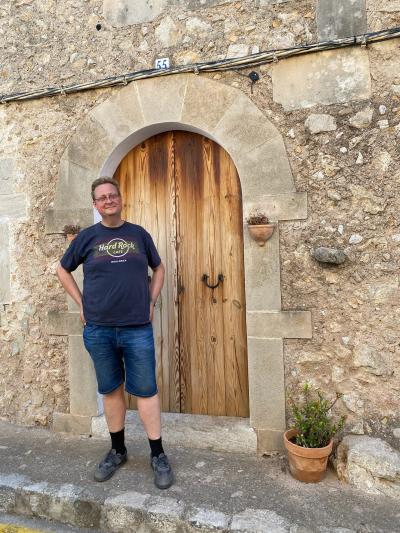
Many stately townhouses and palaces feature decorative ceramic tiles and stone courtyards shielded by colonnades, illustrating the island’s adaptation to the Mediterranean climate. Inside, high ceilings and exposed wooden beams typify the vernacular architecture, while artisan details like hand-carved doorways and elaborately painted tiles tell stories of the craftsmen who shaped these spaces. The contrast between robust stone facades and delicate ironwork details creates a unique sense of balance.
Outside Palma, villages such as Valldemossa and Deià reveal more rustic stone constructions nestled against the Tramuntana mountains, often with terracotta roofs and shuttered windows designed to withstand seasonal winds. Here, the emphasis on harmony with nature is palpable. Exploring these buildings offers not only architectural insight but also a tactile connection to Mallorca’s cultural heritage and the distinct identity of its towns.
Many stately townhouses and palaces feature decorative ceramic tiles and stone courtyards shielded by colonnades, illustrating the island’s adaptation to the Mediterranean climate. Inside, high ceilings and exposed wooden beams typify the vernacular architecture, while artisan details like hand-carved doorways and elaborately painted tiles tell stories of the craftsmen who shaped these spaces. The contrast between robust stone facades and delicate ironwork details creates a unique sense of balance.
Outside Palma, villages such as Valldemossa and Deià reveal more rustic stone constructions nestled against the Tramuntana mountains, often with terracotta roofs and shuttered windows designed to withstand seasonal winds. Here, the emphasis on harmony with nature is palpable. Exploring these buildings offers not only architectural insight but also a tactile connection to Mallorca’s cultural heritage and the distinct identity of its towns.
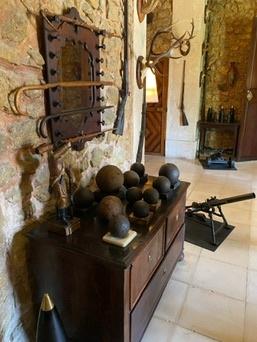
Sant Joan
More Fotos