What role did Mallorca play in the wider context of the Reconquista in Spain?
Similar Topics
Mallorca history
Reconquista Spain
King James I of Aragon
Moorish influence Mallorca
Christian kingdoms
Balearic Islands
Mallorca architecture
Mediterranean culture
historical sites Mallorca
Mallorca cultural identity
Mallorca, the largest of the Balearic Islands, played a significant role in the broader context of the Reconquista, a centuries-long struggle to reclaim the Iberian Peninsula from Muslim rule. The island was originally conquered by the Moors in the early 10th century, becoming part of the larger Al-Andalus territory. Its strategic location in the Mediterranean made it an important staging ground for trade and military campaigns, allowing for the spread of culture and influence. As the Reconquista progressed, the Christian kingdoms of the peninsula sought to reclaim lost territories, and Mallorca became a focal point due to its geographical significance.
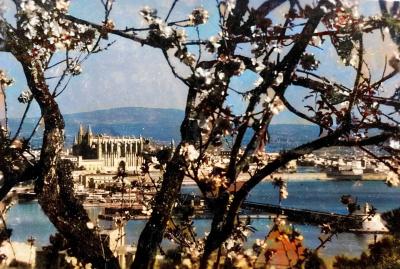
In 1229, King James I of Aragon launched a successful campaign to conquer Mallorca, marking a pivotal moment in the island's history. This conquest was not only crucial for the Christian reconsolidation of power but also served to strengthen Aragon’s influence in the region. Following the conquest, the island underwent a transformation as Christian settlers arrived, and the existing Moorish structures were adapted to serve new purposes. This blending of cultures can still be observed today in Mallorca's architecture, culinary traditions, and local customs, which reflect both its Moorish heritage and Christian influences.
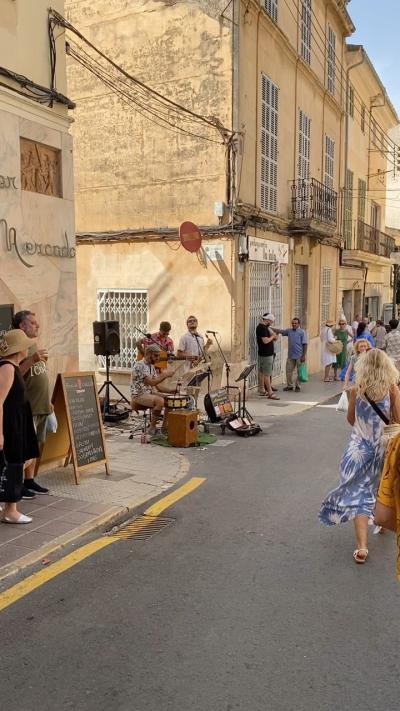
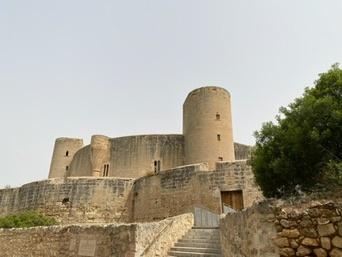
The integration of Mallorca into the Christian kingdoms was part of the larger narrative of the Reconquista, which culminated in 1492 with the fall of Granada. This marked the end of Muslim rule in Spain and the completion of the Reconquista. The island's role in this historical process has left a lasting legacy, shaping not only its cultural identity but also its political importance in the Mediterranean. Today, visitors to Mallorca can explore remnants of this rich history, from castles and churches to the picturesque old towns, offering a glimpse into the island's vibrant past that continues to influence its present.
In 1229, King James I of Aragon launched a successful campaign to conquer Mallorca, marking a pivotal moment in the island's history. This conquest was not only crucial for the Christian reconsolidation of power but also served to strengthen Aragon’s influence in the region. Following the conquest, the island underwent a transformation as Christian settlers arrived, and the existing Moorish structures were adapted to serve new purposes. This blending of cultures can still be observed today in Mallorca's architecture, culinary traditions, and local customs, which reflect both its Moorish heritage and Christian influences.
The integration of Mallorca into the Christian kingdoms was part of the larger narrative of the Reconquista, which culminated in 1492 with the fall of Granada. This marked the end of Muslim rule in Spain and the completion of the Reconquista. The island's role in this historical process has left a lasting legacy, shaping not only its cultural identity but also its political importance in the Mediterranean. Today, visitors to Mallorca can explore remnants of this rich history, from castles and churches to the picturesque old towns, offering a glimpse into the island's vibrant past that continues to influence its present.

More Fotos