What is the history behind the architecture in Selva?
Similar Topics
Selva architecture
Mallorca history
Tramuntana mountains
traditional Mallorcan styles
Church of Sant Llorenç
Gothic architecture
rustic farmhouses
historical buildings Selva
cultural evolution Mallorca
modern architecture Selva
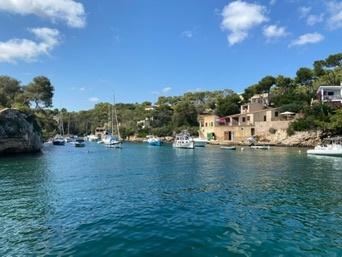
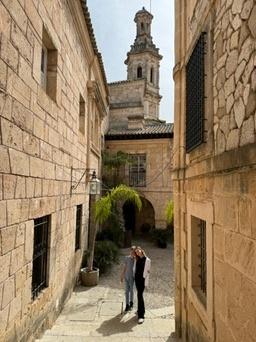
Selva, nestled in the picturesque Tramuntana mountain range of Mallorca, boasts a rich architectural history that reflects its cultural evolution over the centuries. The village’s architecture is primarily characterized by a blend of traditional Mallorcan styles, showcasing features such as stone façades, wooden beams, and charming shutters that evoke a sense of timelessness. The influence of the island’s agricultural past is evident in the rustic farmhouses that dot the landscape, often surrounded by terraced fields and olive groves, which were once the backbone of the local economy.
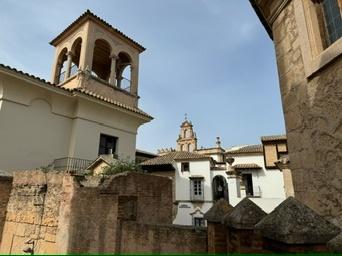
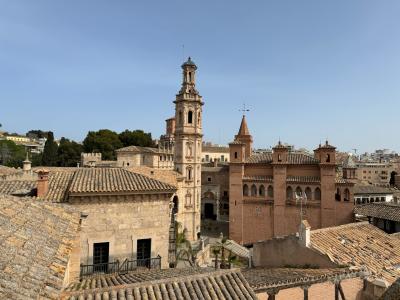
As you wander through Selva, you can also see the impact of various historical periods on its buildings. The village has roots that trace back to the Roman era, and remnants of this heritage can occasionally be spotted in the layout and some foundational structures. During the Middle Ages, Selva developed further, and the intricate designs of its churches, such as the Church of Sant Llorenç, reflect the Gothic influences of that time. The church's stunning bell tower and detailed stonework serve as a testament to the craftsmanship that has been preserved and cherished throughout the ages.
In more recent history, Selva's architecture has adapted to the needs and tastes of modern living while still honoring its past. The integration of contemporary elements has resulted in a unique architectural dialogue between the old and the new. Visitors will appreciate how the local community has worked to maintain the integrity of historical buildings while allowing for modernization that supports current lifestyles. This harmonious blend makes Selva not just a place to visit, but a living story of resilience and cultural pride that continues to evolve with each generation.
As you wander through Selva, you can also see the impact of various historical periods on its buildings. The village has roots that trace back to the Roman era, and remnants of this heritage can occasionally be spotted in the layout and some foundational structures. During the Middle Ages, Selva developed further, and the intricate designs of its churches, such as the Church of Sant Llorenç, reflect the Gothic influences of that time. The church's stunning bell tower and detailed stonework serve as a testament to the craftsmanship that has been preserved and cherished throughout the ages.
In more recent history, Selva's architecture has adapted to the needs and tastes of modern living while still honoring its past. The integration of contemporary elements has resulted in a unique architectural dialogue between the old and the new. Visitors will appreciate how the local community has worked to maintain the integrity of historical buildings while allowing for modernization that supports current lifestyles. This harmonious blend makes Selva not just a place to visit, but a living story of resilience and cultural pride that continues to evolve with each generation.
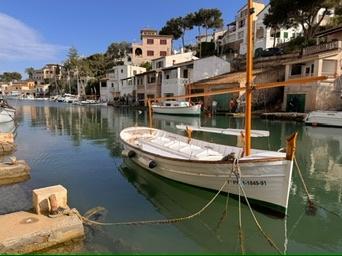
Cala Figuera
More Fotos