How do residents around Palma and Port de Soller traditionally prepare and enjoy their seafood?
Similar Topics
local seafood
palma fish market
binissalem wine
grilled fish mallorca
pa amb oli
tramuntana coast
seafood stews
mallorca festivals
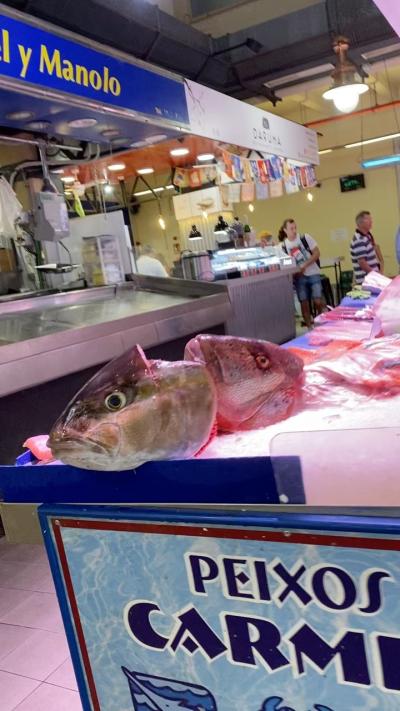
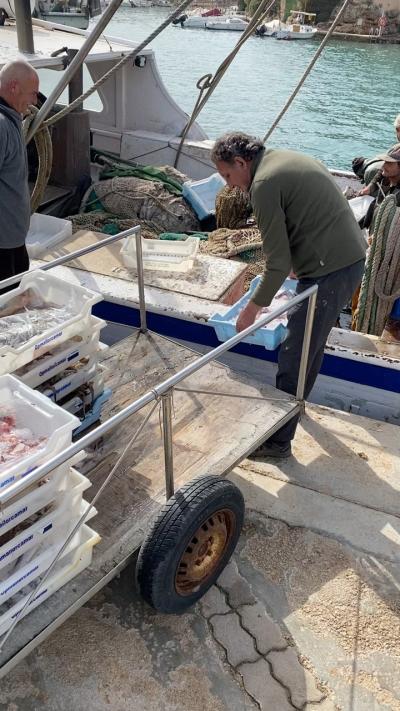
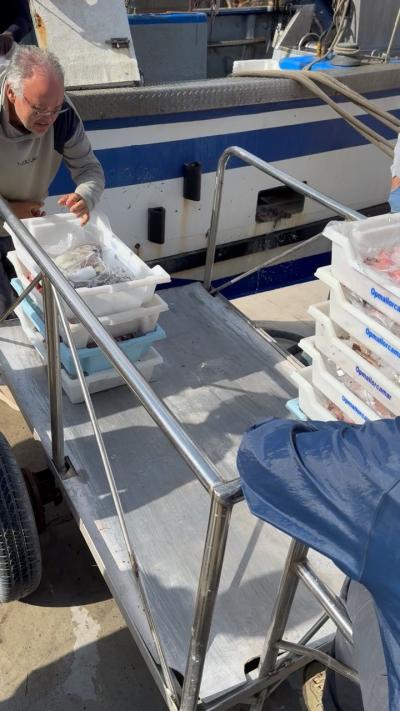
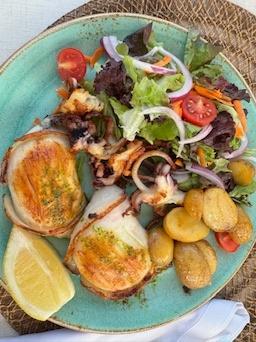
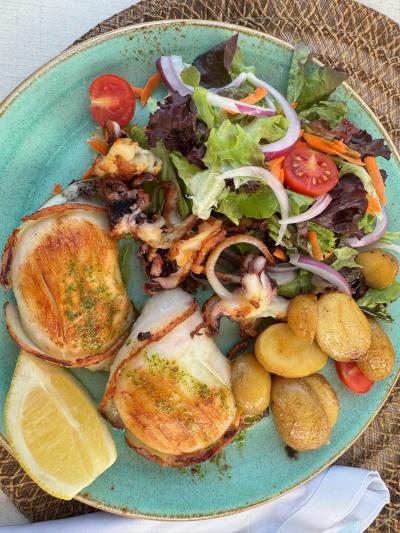
The fishing traditions along the coast near Palma and Ports de Soller date back centuries, and seafood remains central to daily life and local culture. Many households and restaurants prioritize fresh catches brought in daily from the Mediterranean, often procured from stalls at local fish markets such as Mercat de l'Olivar in Palma or from small-scale fishermen in Port de Soller. Simple preparation methods are favored to highlight the pure flavors — for instance, fish grilled over olive wood embers, seasoned lightly with local sea salt and a drizzle of Mallorca’s high-quality olive oil.
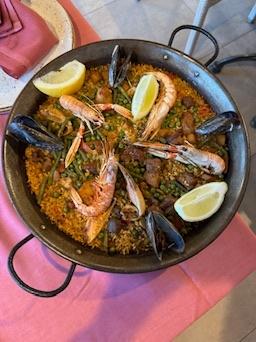
Dishes like suquet de peix, a traditional Mallorcan fish stew, bring together fresh fish, potatoes, garlic, and almonds, reflecting the island’s agricultural and maritime heritage. Another local favorite is the grilled red mullet or dorada served with pa amb oli, the rustic bread rubbed with ripe tomatoes and drizzled with olive oil. Sharing seafood meals is often a communal event, especially during festivals like Sant Sebastià in Palma where sardines and shellfish feature prominently. Accompanying the dishes, Binissalem wines or a glass of Hierbas provide an aromatic contrast to the delicate marine flavors.
On quieter evenings in villages like Deia or Pollenca, intimate meals might include razor clams simply steamed or a plate of marinated anchovies enjoyed alongside local vegetables. The Tramuntana mountains, the Ma-10 road, and the sheltered coves such as Cala Mondrago provide a stunning backdrop, making the seafood experience not just about the taste but about connecting with the island’s landscape, heritage, and community traditions.
Dishes like suquet de peix, a traditional Mallorcan fish stew, bring together fresh fish, potatoes, garlic, and almonds, reflecting the island’s agricultural and maritime heritage. Another local favorite is the grilled red mullet or dorada served with pa amb oli, the rustic bread rubbed with ripe tomatoes and drizzled with olive oil. Sharing seafood meals is often a communal event, especially during festivals like Sant Sebastià in Palma where sardines and shellfish feature prominently. Accompanying the dishes, Binissalem wines or a glass of Hierbas provide an aromatic contrast to the delicate marine flavors.
On quieter evenings in villages like Deia or Pollenca, intimate meals might include razor clams simply steamed or a plate of marinated anchovies enjoyed alongside local vegetables. The Tramuntana mountains, the Ma-10 road, and the sheltered coves such as Cala Mondrago provide a stunning backdrop, making the seafood experience not just about the taste but about connecting with the island’s landscape, heritage, and community traditions.

More Fotos

Related Questions
Related Question
How long does it take to walk from the train station to the shoe museum in Inca?
Related Question
Is there a ferry service that operates late in the evening from the islands back to Alcúdia?
Related Question
Can I buy tickets online in advance for Mallorca’s popular attractions and tours?