What unique architectural styles can I find in Palma's older buildings?
Similar Topics
Palma architecture
Gothic buildings Mallorca
Modernisme Palma
Moorish influence Mallorca
La Seu Cathedral
Almudaina Palace
Gabriel Alomar
historic architecture Palma
cultural heritage Mallorca
Palma travel guide
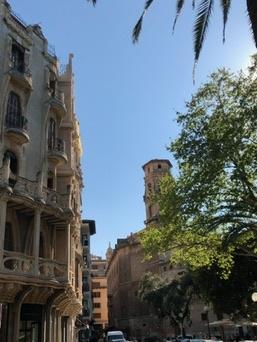
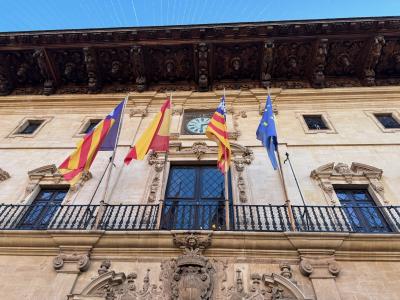
Palma, the capital of Mallorca, boasts a rich tapestry of architectural styles that reflect its diverse history and cultural influences. One of the most prominent styles is Gothic architecture, exemplified by the magnificent La Seu Cathedral. This iconic structure, with its soaring spires and intricate facades, showcases the grandeur of the Gothic period and is a must-see for any visitor. As you wander the streets, you'll also encounter numerous palaces and churches built in this style, characterized by pointed arches and elaborate ornamentation that transport you to a medieval era.
In addition to Gothic elements, Palma features beautiful examples of Modernisme, a Catalan variant of Art Nouveau. This is particularly evident in the work of local architect Gabriel Alomar, whose designs integrate organic forms and decorative details that breathe life into the buildings. The Casa de la Cultura and other structures in the city center highlight this artistic movement, blending functionality with aesthetic appeal. As you explore, the interplay of colors and shapes in these buildings adds a vibrant feel to the urban landscape.
Another architectural style that stands out in Palma is the Moorish influence, a remnant of the Arab rule over the island. This can be seen in the intricate tile work, horseshoe arches, and serene courtyards that grace many older structures. The Almudaina Palace, originally a Muslim fortress, exemplifies this beautiful fusion of Islamic and Gothic elements, offering a glimpse into the island’s layered history. The combination of these styles creates a unique atmosphere in Palma, where each building tells a story, inviting you to delve deeper into the city’s past.
In addition to Gothic elements, Palma features beautiful examples of Modernisme, a Catalan variant of Art Nouveau. This is particularly evident in the work of local architect Gabriel Alomar, whose designs integrate organic forms and decorative details that breathe life into the buildings. The Casa de la Cultura and other structures in the city center highlight this artistic movement, blending functionality with aesthetic appeal. As you explore, the interplay of colors and shapes in these buildings adds a vibrant feel to the urban landscape.
Another architectural style that stands out in Palma is the Moorish influence, a remnant of the Arab rule over the island. This can be seen in the intricate tile work, horseshoe arches, and serene courtyards that grace many older structures. The Almudaina Palace, originally a Muslim fortress, exemplifies this beautiful fusion of Islamic and Gothic elements, offering a glimpse into the island’s layered history. The combination of these styles creates a unique atmosphere in Palma, where each building tells a story, inviting you to delve deeper into the city’s past.
Palma
More Fotos