What historical significance do the romerías on the island hold?
Similar Topics
romerías
pollenca festival
mare de déu
serra de tramuntana
pa amb oli
sant sebastià
sobrassada
festa de l'ametler
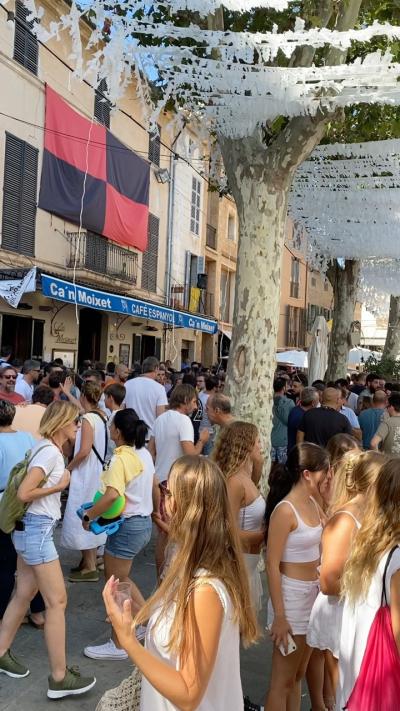
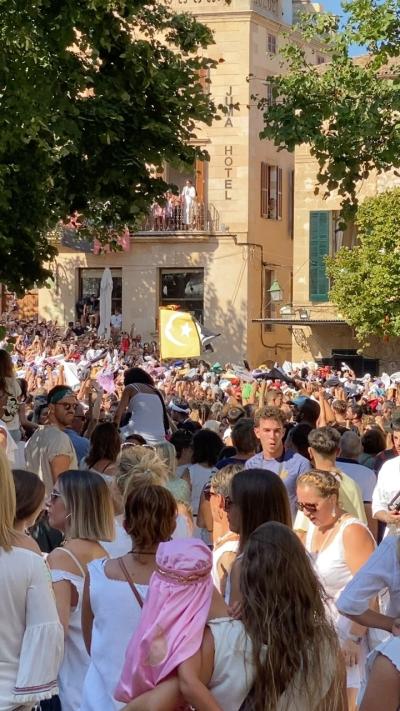
It's easy to think of romerías as just lively festivals, but here they are deeply woven into the island's religious and cultural identity, reflecting centuries of local tradition. These pilgrimages, often dedicated to patron saints of towns like Pollenca or Alcudia, date back to the Middle Ages and blend Christian rituals with older, sometimes pre-Christian, customs tied to the land and community.
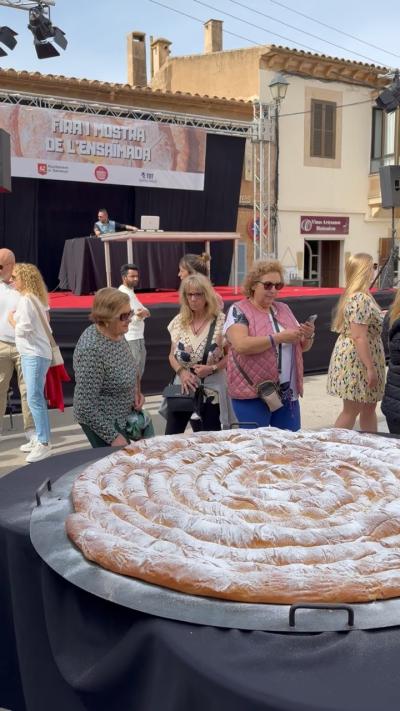
Take the Festa de la Mare de Déu de Lluc, the island's patron saint, whose sanctuary in the Serra de Tramuntana draws pilgrims each year. The event is surrounded by tales of miraculous appearances and communal solidarity that have been passed down through generations. Similar gatherings in places such as Sineu or Manacor showcase vibrant processions featuring traditional Mallorcan music and dancing, along with regional delicacies like pa amb oli and sobrassada shared among locals and visitors alike.
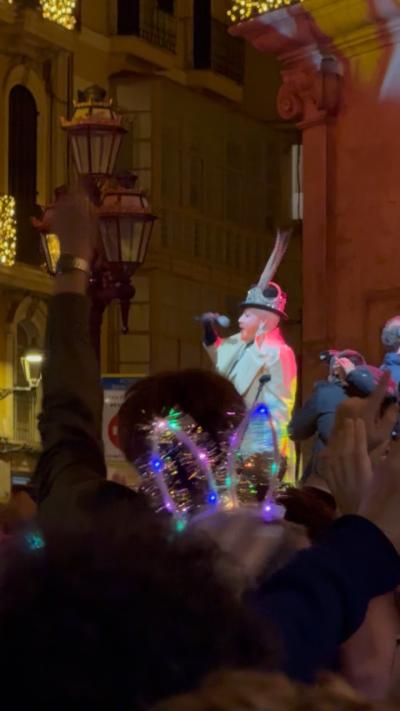
Beyond spirituality, romerías reinforce a strong sense of belonging among islanders, connecting them to their heritage through storytelling, song, and communal celebration. These events are not just remnants of the past but a living tradition where history and faith meet, offering travelers a window into the island’s heart and soul during special dates like Sant Sebastià or the Nit de Foc. Experiencing one gives you a true sense of how the islanders honor their roots while embracing community and festivity in a uniquely Mallorcan way.
Take the Festa de la Mare de Déu de Lluc, the island's patron saint, whose sanctuary in the Serra de Tramuntana draws pilgrims each year. The event is surrounded by tales of miraculous appearances and communal solidarity that have been passed down through generations. Similar gatherings in places such as Sineu or Manacor showcase vibrant processions featuring traditional Mallorcan music and dancing, along with regional delicacies like pa amb oli and sobrassada shared among locals and visitors alike.
Beyond spirituality, romerías reinforce a strong sense of belonging among islanders, connecting them to their heritage through storytelling, song, and communal celebration. These events are not just remnants of the past but a living tradition where history and faith meet, offering travelers a window into the island’s heart and soul during special dates like Sant Sebastià or the Nit de Foc. Experiencing one gives you a true sense of how the islanders honor their roots while embracing community and festivity in a uniquely Mallorcan way.
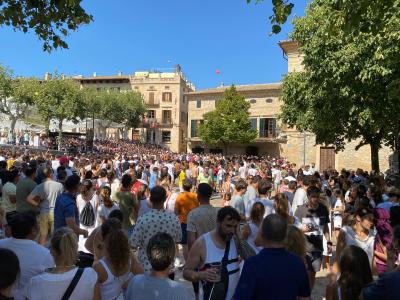
Pollença
More Fotos