How difficult is it to find parking when visiting popular spots like Palma or Es Trenc during summer?
Similar Topics
summer parking
palma parking
es trenc beach
tramuntana roads
tib bus transport
soller train
beach parking
local parking rules
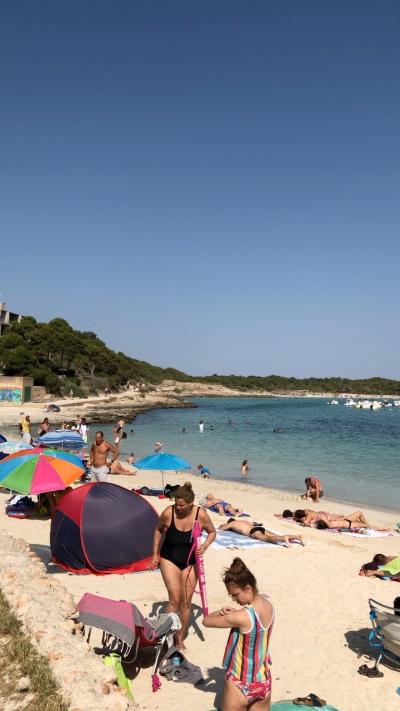
The scent of salty sea air mingled with sunscreen often accompanies early attempts to find parking near the island’s busiest beaches and towns. During the summer months, places such as Palma’s old town and the stunning Es Trenc beach can become extremely congested, with most street parking spaces claimed by mid-morning. In Palma, small blue-zone parking areas with time limits and parking meters are common, while larger public garages near central spots often fill quickly during weekends and holidays. The northern resorts like Port de Pollença and the scenic viewpoint at Formentor similarly face high demand, making early arrival essential.
Outside the main towns, rural roads like the Ma-10 in the Serra de Tramuntana or near quaint villages such as Deià and Valldemossa can offer roadside parking but often with restrictions or limited spaces. The TIB bus network and the vintage Soller railway provide valuable alternatives, allowing travellers to avoid the stress of parking altogether and soak in the island’s rugged beauty from a local perspective. Many visitors choose to combine driving with public transport, parking in designated lots at transport hubs where possible.
Understanding local parking rules helps too, since enforcement can be strict, especially in Palma and Alcúdia, with fines for overstaying or parking illegally. Planning ahead, whether by arriving early, using parking apps, or opting for buses to areas like Cala Mondragó or Cala Llombards, can transform a potentially frustrating experience into a smooth part of your day on the island.
Outside the main towns, rural roads like the Ma-10 in the Serra de Tramuntana or near quaint villages such as Deià and Valldemossa can offer roadside parking but often with restrictions or limited spaces. The TIB bus network and the vintage Soller railway provide valuable alternatives, allowing travellers to avoid the stress of parking altogether and soak in the island’s rugged beauty from a local perspective. Many visitors choose to combine driving with public transport, parking in designated lots at transport hubs where possible.
Understanding local parking rules helps too, since enforcement can be strict, especially in Palma and Alcúdia, with fines for overstaying or parking illegally. Planning ahead, whether by arriving early, using parking apps, or opting for buses to areas like Cala Mondragó or Cala Llombards, can transform a potentially frustrating experience into a smooth part of your day on the island.

More Fotos