How does the local character shift when crowds flock to Palma and coastal towns in summer?
Similar Topics
summer crowds
local culture
pa amb oli
serra de tramuntana
palma city life
es trenc beach
local festivals
binissalem wine
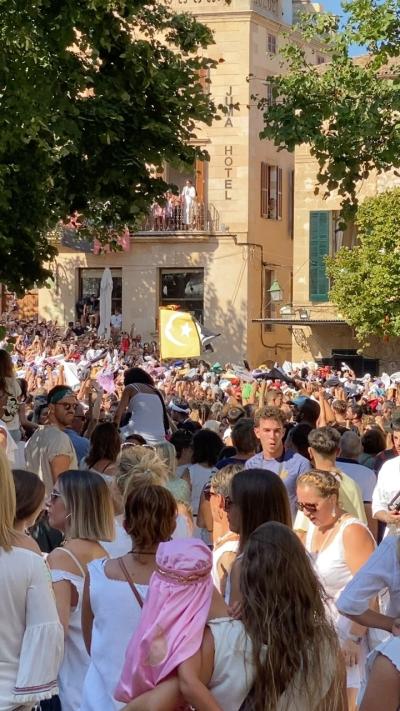
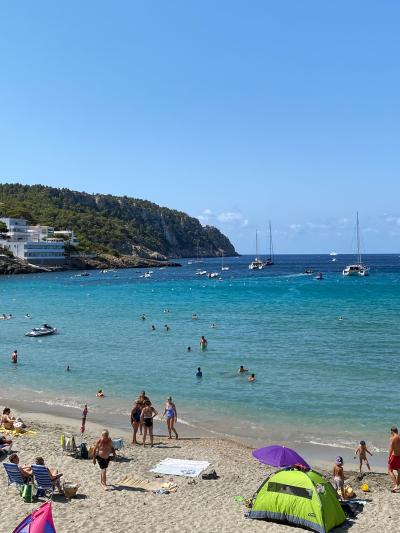
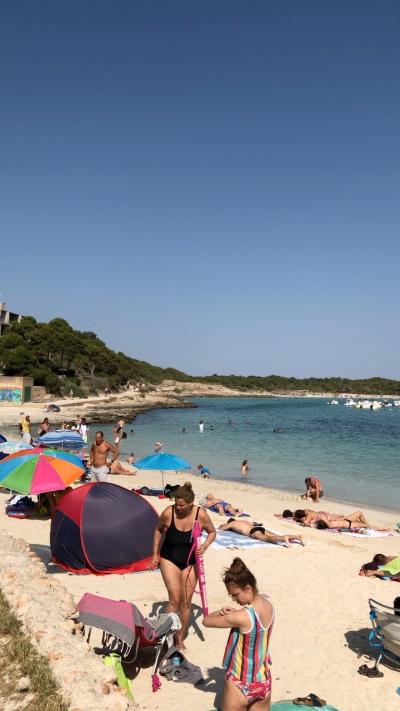
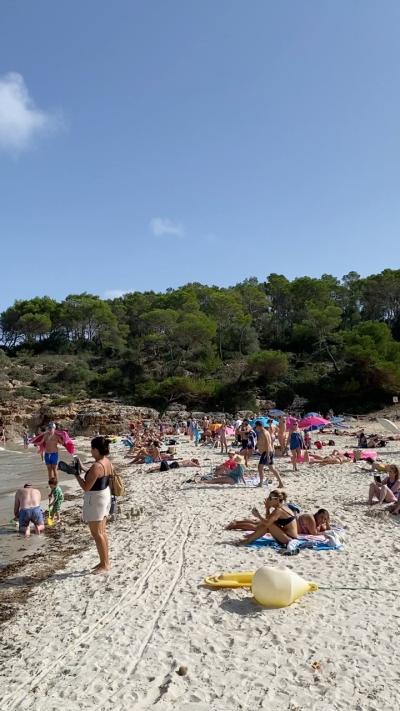
In the narrow streets of Valldemossa or the cafes lining Palma’s Passeig del Born, subtle changes greet regular visitors as summer crowds arrive. Small artisan shops might slightly adjust their hours, and menus at family-run restaurants often include more tourist-friendly options alongside classic dishes like tumbet or pa amb oli. The festive buzz of Sant Sebastià in January gives way to the bustling energy of July afternoons on Cala Mondrago or Es Trenc, where umbrellas bundle in the radiant sun and beach bars hum with chatter.
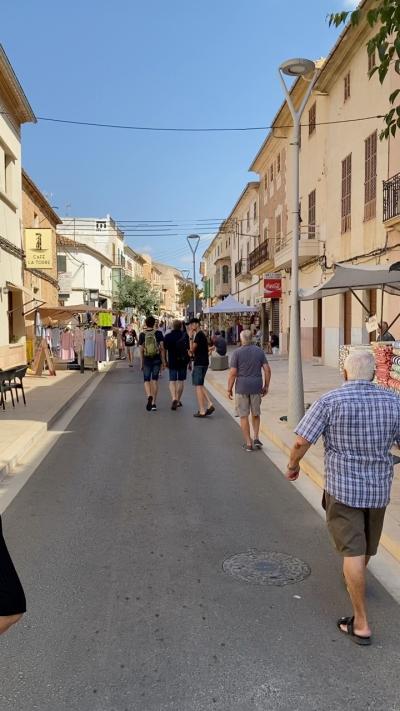
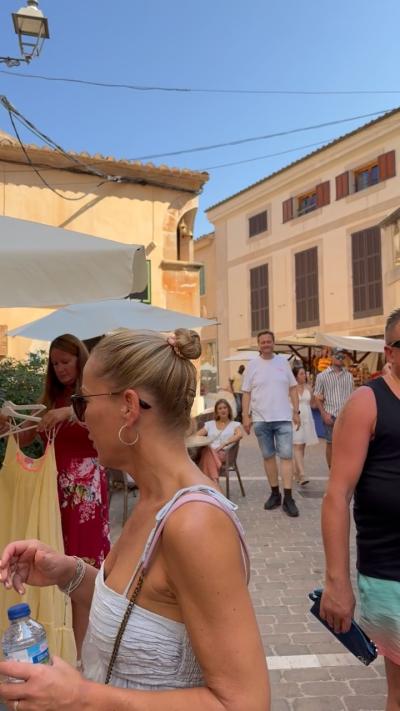
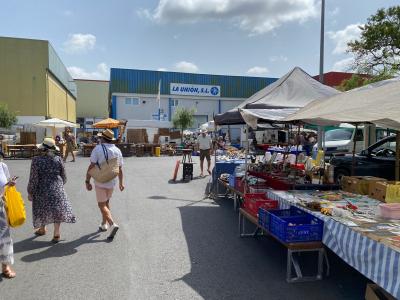
This seasonal surge brings an exciting mix of voices and languages, occasionally drowning out the gentle cadence of Catalan Mallorquí spoken by longtime residents. Around the Serra de Tramuntana, hiking trails see more footprints than usual, and the classic Sóller train fills with day-trippers eager to escape the city heat. Local markets, such as those in Pollença or Alcúdia, brim with visitors seeking souvenirs, while neighborhoods in Palma may look a little livelier, the rhythm of daily life faster and louder.
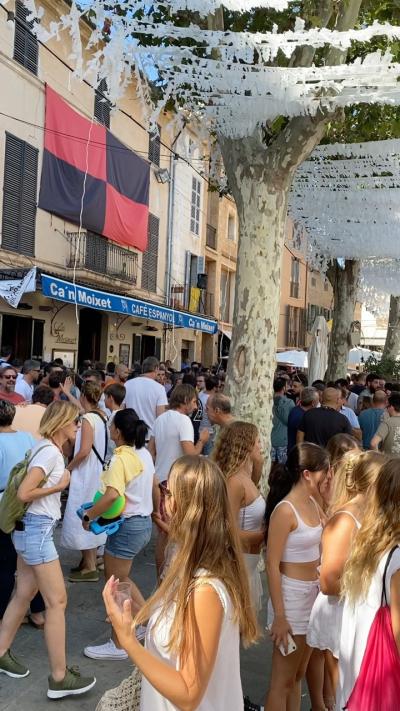
Despite the hustle, locals maintain a strong connection to tradition. The festivals, the rituals of preparing sobrassada or the careful crafting of ensaimadas, and quiet evenings with a glass of Binissalem wine still anchor daily life. For those willing to look beyond the crowds—perhaps by taking the Ma-10 road to Deia or finding a less frequented cove like Cala Llombards—the authentic island spirit endures. This ebb and flow between locals and guests weaves a rich cultural tapestry, one where hospitality meets heritage in an ongoing dance of change and preservation.
This seasonal surge brings an exciting mix of voices and languages, occasionally drowning out the gentle cadence of Catalan Mallorquí spoken by longtime residents. Around the Serra de Tramuntana, hiking trails see more footprints than usual, and the classic Sóller train fills with day-trippers eager to escape the city heat. Local markets, such as those in Pollença or Alcúdia, brim with visitors seeking souvenirs, while neighborhoods in Palma may look a little livelier, the rhythm of daily life faster and louder.
Despite the hustle, locals maintain a strong connection to tradition. The festivals, the rituals of preparing sobrassada or the careful crafting of ensaimadas, and quiet evenings with a glass of Binissalem wine still anchor daily life. For those willing to look beyond the crowds—perhaps by taking the Ma-10 road to Deia or finding a less frequented cove like Cala Llombards—the authentic island spirit endures. This ebb and flow between locals and guests weaves a rich cultural tapestry, one where hospitality meets heritage in an ongoing dance of change and preservation.
More Fotos