When is the best time to visit Mallorca for enjoying the island’s natural beauty?
Similar Topics
serra de tramuntana
almond blossom festival
binissalem wine
formentor beach
spring hiking mallorca
autumn foliage mallorca
soller railway
tumbet dish
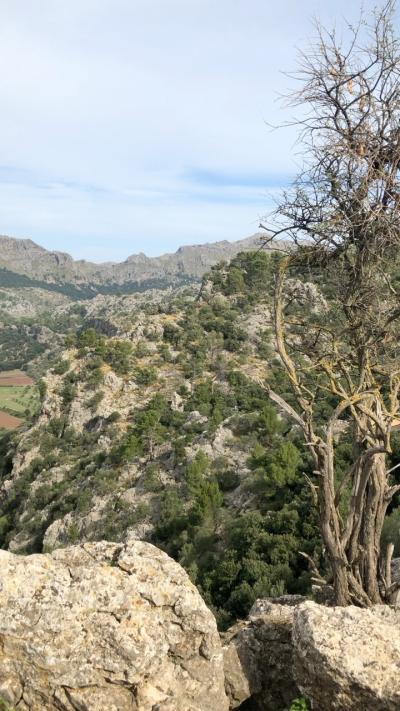
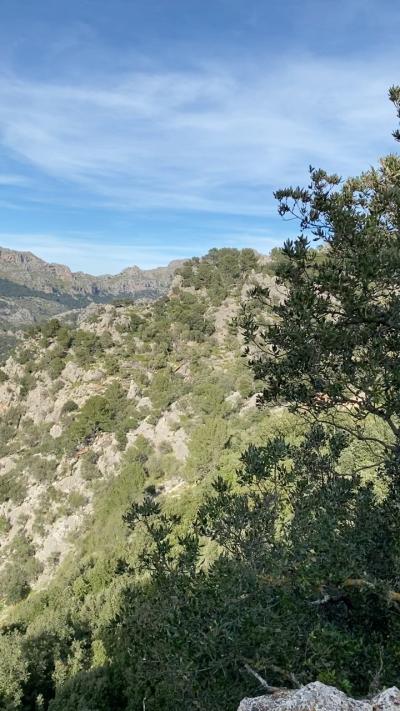
The Serra de Tramuntana transforms beautifully with the seasons, making it a fantastic barometer for the island’s natural allure. In spring, wildflowers bloom along the winding Ma-10 road, and almond trees blossom, particularly noticeable around Valldemossa and Deià, dressing the landscape in soft pinks and whites. This season is ideal for hiking or cycling, with mild temperatures and fresh fragrant air enhancing the experience. The countryside bursts with green, and traditional villages come alive with festivals like the Festa de l’Ametler, celebrating the blossoming almonds.
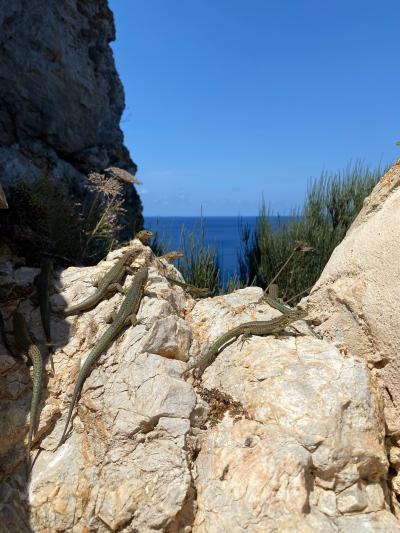
Summer shifts the spotlight to the coast, where places like Cala Mondragó and Formentor sparkle under vivid blue skies. The bright sunlight sharpens the contrast between turquoise waters and pine-fringed coves, perfect for beach days or boat trips. However, the island can get busy, and inland areas grow drier and less lush. Autumn brings a welcome reprieve, with Binissalem’s vineyards turning golden and olive groves heavy with fruit. The cooler weather and changing foliage provide a charming backdrop for exploring towns like Sóller via the historic railway or enjoying local harvest celebrations.
Winter in Mallorca offers a quieter, more serene landscape, especially appealing to those who want to avoid crowds. The hills of Tramuntana show a more muted palette, and cooler temperatures invite cozying up with a tumbet or a glass of local Hierbas in Palma’s atmospheric cafés. While snow is rare except on the highest peaks, the crisp air and soft light create a peaceful charm. Each season reveals a different, richly textured beauty here, so the best time depends on the kind of landscape and pace you prefer for your visit.
Summer shifts the spotlight to the coast, where places like Cala Mondragó and Formentor sparkle under vivid blue skies. The bright sunlight sharpens the contrast between turquoise waters and pine-fringed coves, perfect for beach days or boat trips. However, the island can get busy, and inland areas grow drier and less lush. Autumn brings a welcome reprieve, with Binissalem’s vineyards turning golden and olive groves heavy with fruit. The cooler weather and changing foliage provide a charming backdrop for exploring towns like Sóller via the historic railway or enjoying local harvest celebrations.
Winter in Mallorca offers a quieter, more serene landscape, especially appealing to those who want to avoid crowds. The hills of Tramuntana show a more muted palette, and cooler temperatures invite cozying up with a tumbet or a glass of local Hierbas in Palma’s atmospheric cafés. While snow is rare except on the highest peaks, the crisp air and soft light create a peaceful charm. Each season reveals a different, richly textured beauty here, so the best time depends on the kind of landscape and pace you prefer for your visit.

Sa Calobra
More Fotos



Related Questions
Related Question
Which local Mallorca wines should I try with traditional seafood dishes?
Related Question
Are there any local organizations in Mallorca dedicated to environmental conservation?
Related Question
How do hotels around Palma and the Tramuntana reflect local Mallorcan culture in their design and services?