What traditional drinks should I try while exploring Mallorca?
Similar Topics
hierbas liqueur
palo aperitif
binissalem wine
sobrassada
ensaimada pastry
serra de tramuntana
local beverages
mallorca festivals
Savoring local drinks is one of the best ways to connect with the island's culture and culinary heritage. A glass of Hierbas, an aniseed-flavored herbal liqueur distilled with wild mountain herbs, is a quintessential choice, especially popular in towns like Palma and Valldemossa. Its sweet, aromatic profile makes it a perfect digestif after a meal of tumbet or sobrassada. For something lighter, Palo, a bitter, red-hued aperitif made from local herbs and malvasia wine, is often enjoyed at seaside bars in Port de Pollenca or Alcudia.
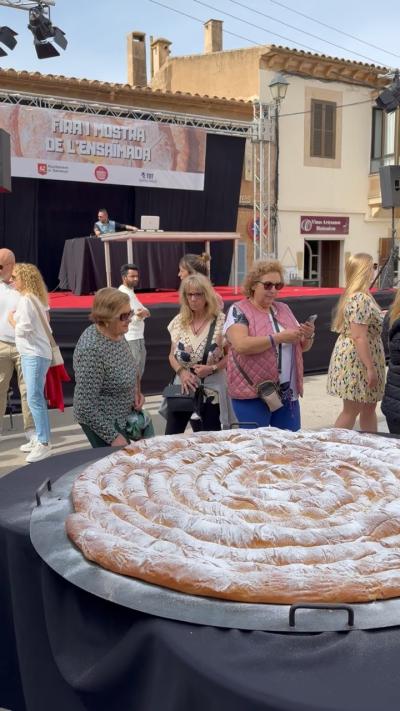
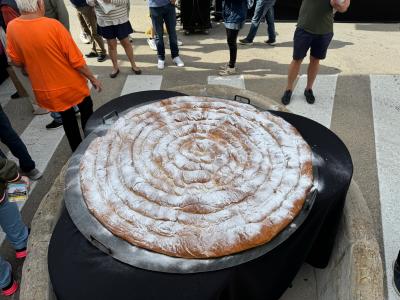
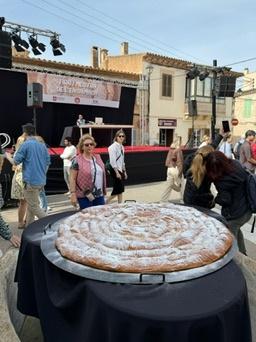
Winelovers should seek out Binissalem, the island’s main wine-producing region, where you can taste robust reds or fresh whites from vineyards nestled at the foot of the Serra de Tramuntana. These wines pair beautifully with traditional fare and are a testament to Mallorca’s slowly growing boutique wine scene. When wandering through market towns like Manacor or Santanyi, don’t miss the chance to enjoy a freshly brewed café con leche accompanied by a flaky ensaimada pastry, combining local flavors in a morning ritual.
For non-alcoholic refreshment, freshly squeezed orange juice is common at cafes, reflecting Mallorca's citrus groves. During festivals such as Nit de Foc in Palma or the Festa de l’Ametler, it’s customary to sample local punch-style drinks and sweet horchata made with almonds. Whether sipping at a rustic vineyard, a coastal chiringuito near Es Trenc, or a café in Deia, these beverages offer a genuine taste of the island’s varied and historic traditions.
Winelovers should seek out Binissalem, the island’s main wine-producing region, where you can taste robust reds or fresh whites from vineyards nestled at the foot of the Serra de Tramuntana. These wines pair beautifully with traditional fare and are a testament to Mallorca’s slowly growing boutique wine scene. When wandering through market towns like Manacor or Santanyi, don’t miss the chance to enjoy a freshly brewed café con leche accompanied by a flaky ensaimada pastry, combining local flavors in a morning ritual.
For non-alcoholic refreshment, freshly squeezed orange juice is common at cafes, reflecting Mallorca's citrus groves. During festivals such as Nit de Foc in Palma or the Festa de l’Ametler, it’s customary to sample local punch-style drinks and sweet horchata made with almonds. Whether sipping at a rustic vineyard, a coastal chiringuito near Es Trenc, or a café in Deia, these beverages offer a genuine taste of the island’s varied and historic traditions.
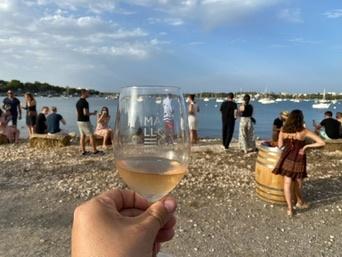
Cala Marçal
More Fotos


Related Questions
Related Question
Are there any apps or resources to help navigate the bus system in Mallorca?
Related Question
What are the different hiking routes to the summit of Puig de Massanella, and how do they vary in difficulty?
Related Question
Are there any temporary art exhibitions in Palma's museums that I can visit during my trip?