What unique architectural features should I look for when visiting towns in Mallorca?
Similar Topics
mallorca architecture
valldemossa buildings
palma cathedral
mallorcan finca
serra de tramuntana
soller railway
historic mallorca towns
traditional balconies
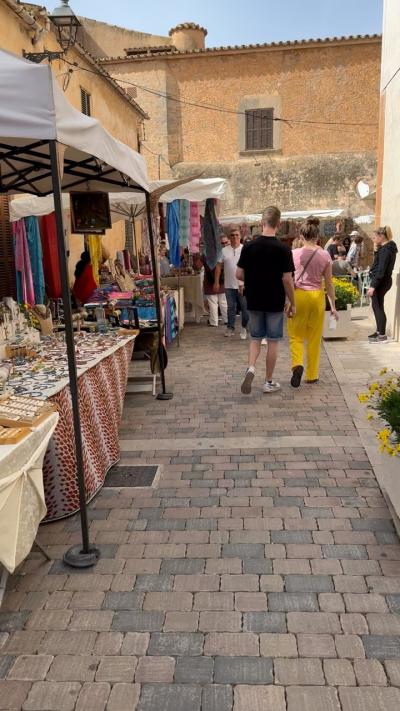
Stone and stucco structures with wooden shutters and wrought iron balconies characterize much of the architecture here, reflecting centuries of craftsmanship influenced by Mallorca's Mediterranean climate and history. In towns like Valldemossa and Deià, the traditional rural stone houses often have terracotta roof tiles and thick walls designed to keep interiors cool during hot summers. This local style, known as Mallorcan finca architecture, balances practicality with rustic charm.
In Palma, the grand Gothic cathedral, La Seu, dominates the skyline, its intricate stonework and stained glass offering a striking contrast to the surrounding buildings. Nearby, the old town reveals narrower streets lined with Renaissance and Baroque palaces featuring ornate facades and hidden courtyards. Decorative ceramic tiles, especially in public fountains and stairways, add vivid color and reflect Moorish influences.
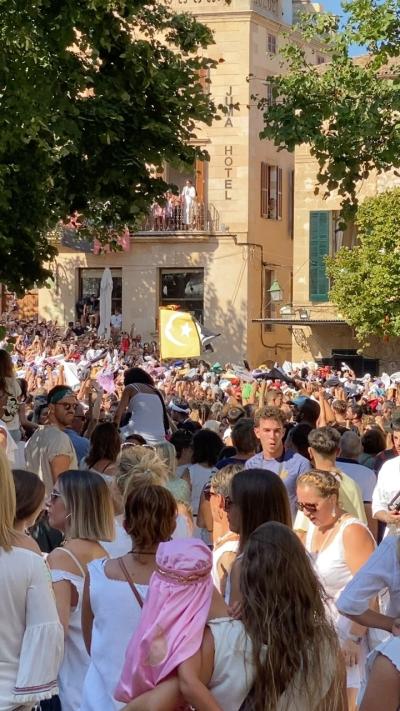
On the north coast, Pollensa’s old quarter showcases medieval walls and narrow alleys that give insight into the island's defensive past. Architectural blend becomes evident where ancient town hubs meet modern expansion. Across the island, note how many buildings incorporate shaded courtyards and colonnades to foster social life, an island tradition still alive during festivals such as Sant Sebastià in Palma.
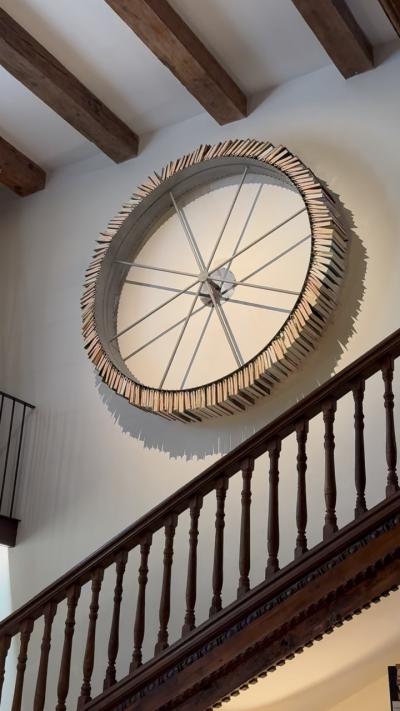
Walking or taking the Soller railway offers a view of smaller villages where stone arches and wooden beams accentuate modest farmhouses nestled within the Serra de Tramuntana. Observing these elements reveals a harmonious relationship between architecture and environment—one shaped by island life and local materials such as sandstone and pine wood.
In Palma, the grand Gothic cathedral, La Seu, dominates the skyline, its intricate stonework and stained glass offering a striking contrast to the surrounding buildings. Nearby, the old town reveals narrower streets lined with Renaissance and Baroque palaces featuring ornate facades and hidden courtyards. Decorative ceramic tiles, especially in public fountains and stairways, add vivid color and reflect Moorish influences.
On the north coast, Pollensa’s old quarter showcases medieval walls and narrow alleys that give insight into the island's defensive past. Architectural blend becomes evident where ancient town hubs meet modern expansion. Across the island, note how many buildings incorporate shaded courtyards and colonnades to foster social life, an island tradition still alive during festivals such as Sant Sebastià in Palma.
Walking or taking the Soller railway offers a view of smaller villages where stone arches and wooden beams accentuate modest farmhouses nestled within the Serra de Tramuntana. Observing these elements reveals a harmonious relationship between architecture and environment—one shaped by island life and local materials such as sandstone and pine wood.

More Fotos



Related Questions
Related Question
What traditional dishes should I taste to experience authentic Mallorcan flavors?
Related Question
Are there any local legends or stories associated with the Alcudia city walls?
Related Question
What activities can I enjoy at a beach club near Es Trenc on the south coast of Mallorca?