What is the history behind the architecture in Valldemossa's old town?
Similar Topics
valldemossa architecture
tramuntana stone houses
historic mallorca villages
local building materials
cartoixa monastery
serra de tramuntana
mallorca heritage
valldemossa old town
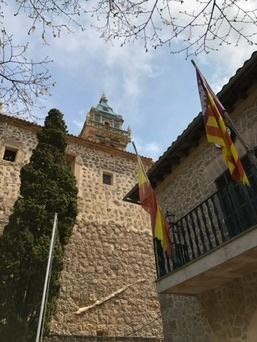
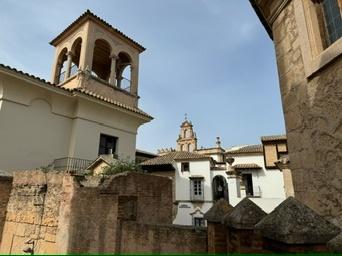
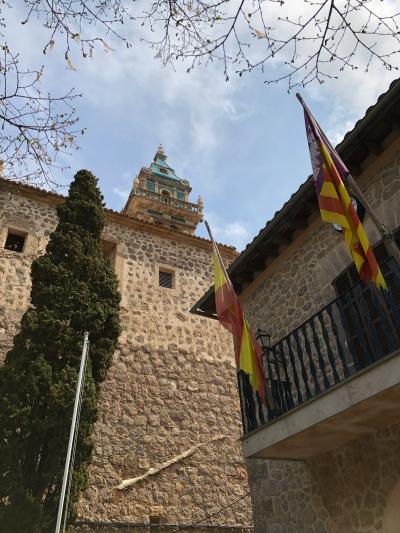
Strolling through Valldemossa in the soft light of late afternoon reveals layers of history embedded in its architecture. The old town’s stone houses, with their shuttered windows and wrought iron balconies, echo a time when this village served as a retreat for Mallorcan nobility and famous figures like Chopin. Many buildings date from the 17th and 18th centuries, showcasing a blend of Gothic and Renaissance influences adapted to local materials such as sandstone and ceramic tiles.
The distinctive cuboidal chimneys, terracotta roofs, and narrow cobbled streets hint at a community shaped by agricultural wealth and the need for protection, while the elegant Cartoixa monastery stands as a monument to Valldemossa’s cultural significance over centuries. The use of local marès stone not only lends the village its warm hues but also connects the architecture to the rugged Serra de Tramuntana landscape.
Public squares and quaint shops cluster around ancient fountains, reflecting how social life traditionally centered on such shared spaces. Over time, modest Renaissance decorative elements gave way to more austere designs that harmonize with the quiet mountain setting, a testament to the island’s evolving tastes and resources. Preservation efforts remain strong here, ensuring that Valldemossa’s architectural heritage stays vibrant alongside its thriving artisan cafés and cultural festivals.
The distinctive cuboidal chimneys, terracotta roofs, and narrow cobbled streets hint at a community shaped by agricultural wealth and the need for protection, while the elegant Cartoixa monastery stands as a monument to Valldemossa’s cultural significance over centuries. The use of local marès stone not only lends the village its warm hues but also connects the architecture to the rugged Serra de Tramuntana landscape.
Public squares and quaint shops cluster around ancient fountains, reflecting how social life traditionally centered on such shared spaces. Over time, modest Renaissance decorative elements gave way to more austere designs that harmonize with the quiet mountain setting, a testament to the island’s evolving tastes and resources. Preservation efforts remain strong here, ensuring that Valldemossa’s architectural heritage stays vibrant alongside its thriving artisan cafés and cultural festivals.
Valldemossa
More Fotos