What unique customs or rituals are part of traditional festivals on the island?
Similar Topics
sant sebastià
nit de foc
festa de l'ametler
ball de bot
binissalem wine
ensaimada
serra de tramuntana
sobrassada
Celebrations here often revolve around a deep connection to local history, faith, and the rhythms of rural life. The annual Sant Sebastià festival in Palma, for example, blends religious devotion with lively street parties, where locals and visitors alike gather to enjoy traditional music and dance through narrow, historic alleys. Fire plays a prominent role too, especially during the Nit de Foc, the Fire Night in Palma, where dramatic bonfires light up the Old Town, accompanied by fireworks and the clamor of drumming groups, symbolizing the drive away of winter and evil spirits.
In smaller towns like Sóller or Pollença, festivals often incorporate age-old customs such as the traditional ball de bot folk dances or the blessing of the harvest, recalling the island’s agrarian past. The Festa de l'Ametler, celebrated across the island as the almond blossoms bloom, features local music, markets, and the sharing of ensaimada pastries, bringing communities together in open squares beneath flowering trees. Culinary traditions interweave into these rituals, with typical dishes like tumbet and cured sobrassada shared alongside glasses of Binissalem wine or the bitter-sweet herbal liqueurs Hierbas and Palo.
These customs and ceremonies offer a window into the island’s soul, where secular and sacred merge seamlessly. Festivals often take place in iconic settings such as the verdant Serra de Tramuntana villages or the beaches edging Cala Mondragó and Formentor, inviting visitors to experience not only the spectacle but also the warmth of Mallorcan hospitality. To fully appreciate these moments, timing a visit around local events reveals layers of culture far beyond the usual sightseeing itinerary.
In smaller towns like Sóller or Pollença, festivals often incorporate age-old customs such as the traditional ball de bot folk dances or the blessing of the harvest, recalling the island’s agrarian past. The Festa de l'Ametler, celebrated across the island as the almond blossoms bloom, features local music, markets, and the sharing of ensaimada pastries, bringing communities together in open squares beneath flowering trees. Culinary traditions interweave into these rituals, with typical dishes like tumbet and cured sobrassada shared alongside glasses of Binissalem wine or the bitter-sweet herbal liqueurs Hierbas and Palo.
These customs and ceremonies offer a window into the island’s soul, where secular and sacred merge seamlessly. Festivals often take place in iconic settings such as the verdant Serra de Tramuntana villages or the beaches edging Cala Mondragó and Formentor, inviting visitors to experience not only the spectacle but also the warmth of Mallorcan hospitality. To fully appreciate these moments, timing a visit around local events reveals layers of culture far beyond the usual sightseeing itinerary.
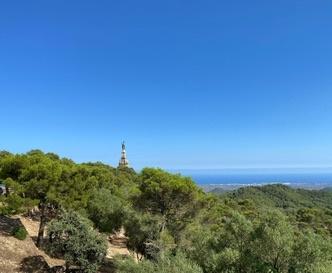
Felanitx
More Fotos