How has Mallorca’s complex history shaped its cultural and architectural identity?
Similar Topics
mallorca history
serra de tramuntana
pa amb oli
palma architecture
sobrassada
binissalem wine
sant sebastia festival
capdepera fortress
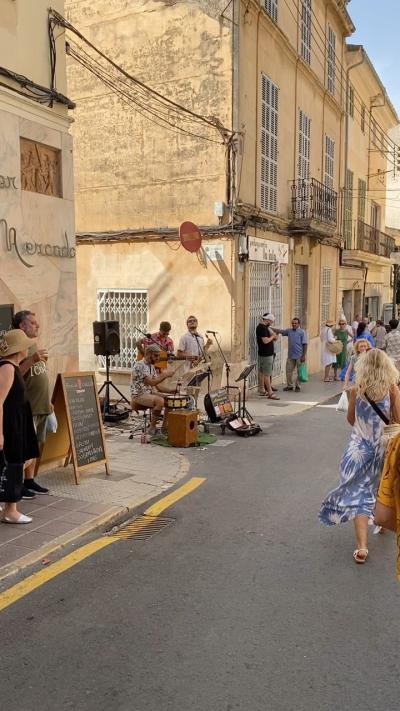
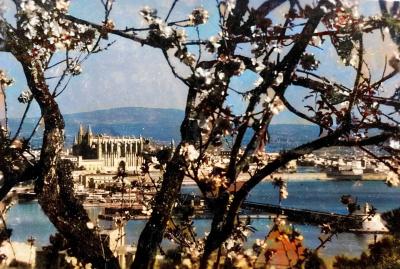
It’s easy to overlook how deeply shaped the island’s character is by its turbulent past. Far from just a sun-and-sea destination, Mallorca carries layers of history visible in its towns and countryside. Towns like Palma and Alcudia reveal a legacy influenced by various rulers—Romans, Moors, and the Crown of Aragon—each leaving architectural traces from Gothic cathedrals to fortified walls. These influences blend with local traditions, giving the island a distinctive cultural rhythm.
The Serra de Tramuntana is dotted with ancient monasteries and stone farmhouses that tell stories of a resilient rural past, while the old railway line from Palma to Soller preserves a quaint slice of early 20th-century life. Events such as Sant Sebastià in Palma celebrate this heritage through music and folklore. Food and drink also reflect this history: dishes like tumbet and pa amb oli echo centuries of agricultural tradition, while local products such as sobrassada and Binissalem wine speak to the island’s unique terroir.
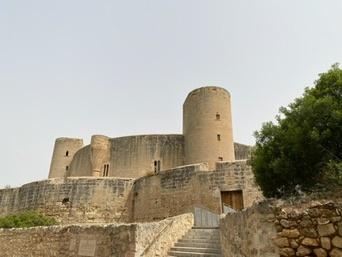
Moreover, strategic locations like the fortress at Capdepera or the watchtowers along the Ma-13 road remind visitors of Mallorca’s defensive past against pirate raids and foreign invasions. This blend of natural beauty, historical complexity, and cultural richness continues to draw travellers who appreciate more than just beaches. Exploring the island with this perspective allows a deeper connection to its enduring identity and vibrant spirit.
The Serra de Tramuntana is dotted with ancient monasteries and stone farmhouses that tell stories of a resilient rural past, while the old railway line from Palma to Soller preserves a quaint slice of early 20th-century life. Events such as Sant Sebastià in Palma celebrate this heritage through music and folklore. Food and drink also reflect this history: dishes like tumbet and pa amb oli echo centuries of agricultural tradition, while local products such as sobrassada and Binissalem wine speak to the island’s unique terroir.
Moreover, strategic locations like the fortress at Capdepera or the watchtowers along the Ma-13 road remind visitors of Mallorca’s defensive past against pirate raids and foreign invasions. This blend of natural beauty, historical complexity, and cultural richness continues to draw travellers who appreciate more than just beaches. Exploring the island with this perspective allows a deeper connection to its enduring identity and vibrant spirit.

More Fotos