How did the transition from Arab to Christian rule affect the architecture in Palma?
Similar Topics
Palma architecture
Arab Christian transition
Gothic architecture Palma
Cathedral of Santa Maria
Islamic architectural style
Renaissance influence Palma
Baroque architecture
historical architecture
Palma cultural identity
architectural heritage
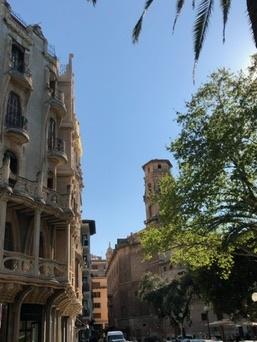
The transition from Arab to Christian rule in Palma, which occurred in the 13th century, brought about a significant transformation in the city's architectural landscape. Under Arab rule, Palma was characterized by intricate designs, ornate mosques, and sophisticated irrigation systems, reflecting the Islamic architectural style that emphasized harmony with nature and decorative artistry. The narrow streets of the old town, lined with whitewashed buildings, showcased a blend of functionality and beauty, which was deeply influenced by the surrounding landscape and climate.
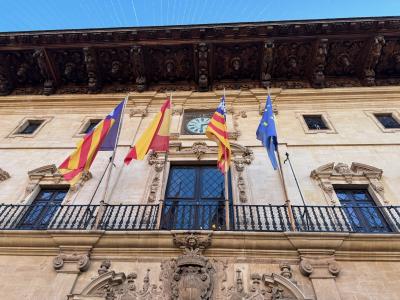
When the Christians, led by King Jaume I, captured Palma in 1229, they initiated a wave of architectural change that marked the beginning of the Gothic period in the region. The most prominent example of this shift is the magnificent Cathedral of Santa Maria, or La Seu, which began construction shortly after the conquest. This grand structure, with its soaring arches and intricate stained glass, symbolizes the newfound Christian identity of Palma and represents a stark contrast to the previously dominant Islamic style. Additionally, many of the existing Arab structures were repurposed or renovated to fit Christian ideals, leading to a fascinating fusion of architectural elements that can still be seen today.
As time progressed, the Gothic influence continued to evolve, integrating elements from the Renaissance and Baroque periods. This blend of styles created a unique architectural character that reflects Palma's rich and diverse history. The transition from Arab to Christian rule not only altered the physical appearance of the city but also reshaped its cultural identity, with architecture serving as a testament to the various influences that have left their mark on Palma over the centuries. Today, as you stroll through the historic streets, you can experience this architectural dialogue, where the echoes of the past resonate through every building and monument.
Palma
More Fotos