How do local fishing traditions influence the seafood dishes in Mallorca's coastal towns?
- Mallorca seafood
- Traditional fishing
- Fresh fish mallorca
- Sustainable fishing
- Coastal dining
- Balearic cuisine
- Mallorca harbors
- Seasonal seafood
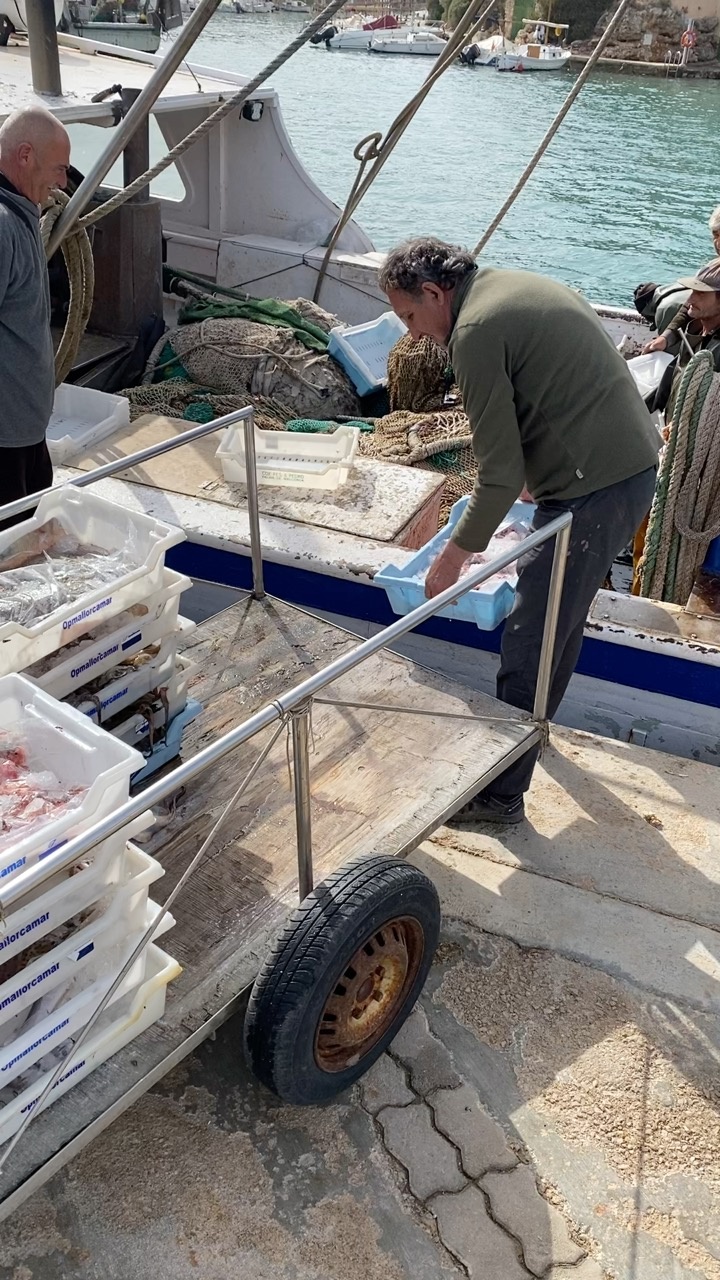
If you find yourself dining along the harbor in towns like Palma, Port de Sóller, or Alcúdia, the freshness of seafood is immediately noticeable. Many local fishermen still venture out daily using traditional methods that have been handed down through generations, setting a deliberate pace that respects the Balearic Sea's rhythms. In the calmer coves and along the north coast near Pollença and Formentor, you’ll see small boats using nets and traps carefully designed to minimize bycatch, reflecting a commitment to sustainability.
These practices mean that fish such as red snapper, sea bream, and freshly caught octopus often arrive at market and onto plates within hours. That same-day catch policy ensures local restaurants serve seafood bursting with natural flavor, whether it’s grilled simply with a drizzle of olive oil or featured in a classic tumbet or arroz brut. Many chefs also source sobrassada or ensaimada from the villages inland like Manacor, combining sea and land in dishes that tell a story of place and tradition.
The fishing calendar has a subtle influence on menus throughout the year; between seasons, menus shift gently in tune with what’s abundant and freshest. Festivals like Sant Sebastià in Palma sometimes celebrate local fish, highlighting the connection between island culture and the sea. When you settle into a terrace overlooking Cala Mondragó or Es Trenc, you’re tasting more than a meal—you’re part of a long history where respect for the Mediterranean’s bounty shapes the character of the island’s gastronomy.