Are there any special techniques used in the cultivation of the orange trees?
Similar Topics
orange tree cultivation
grafting techniques
drip irrigation
soil moisture management
pruning practices
fertilization methods
integrated pest management
sustainable farming
organic fertilizers
cover cropping
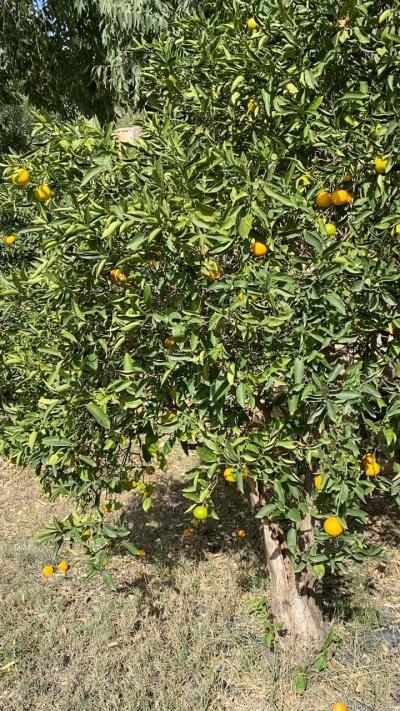
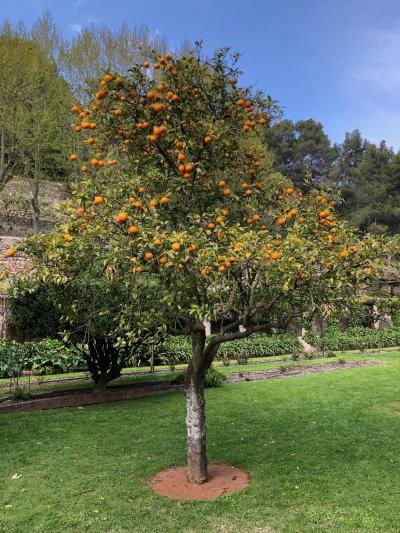
Cultivating orange trees involves a blend of traditional practices and modern techniques that ensure healthy growth and abundant fruit production. One of the key aspects is selecting the right variety of orange for the local climate and soil conditions, as different types thrive in different environments. Growers often start with grafting, a technique where a branch from a desired orange variety is attached to a rootstock. This method not only enhances disease resistance but also allows the tree to adapt better to its environment, promoting vigorous growth.
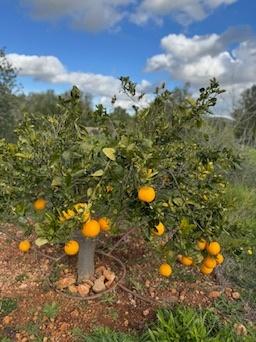
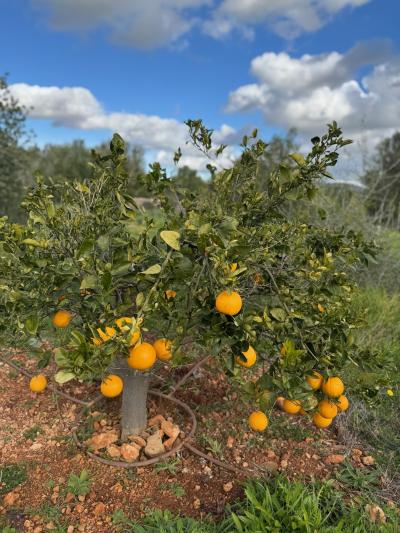
Water management is another critical component in orange cultivation. Farmers typically employ drip irrigation systems to provide consistent moisture while minimizing water waste. This technique helps maintain the right balance of soil moisture, which is essential for the tree's health and fruit quality. Additionally, regular pruning is practiced to remove dead or diseased branches and to encourage air circulation within the canopy. This not only helps in disease prevention but also ensures that sunlight reaches all parts of the tree, leading to more uniform fruit ripening.
Fertilization is also carefully managed, with organic and synthetic fertilizers applied based on soil tests to provide essential nutrients. Integrated pest management strategies are often utilized to combat pests without relying heavily on chemical pesticides, thus promoting a healthier ecosystem around the orchard. Seasonal practices, such as mulching and cover cropping, further enhance soil health and biodiversity, contributing to the overall sustainability of the farming operation. Through these thoughtful techniques, orange growers aim to produce high-quality fruit while preserving the land for future generations.
Water management is another critical component in orange cultivation. Farmers typically employ drip irrigation systems to provide consistent moisture while minimizing water waste. This technique helps maintain the right balance of soil moisture, which is essential for the tree's health and fruit quality. Additionally, regular pruning is practiced to remove dead or diseased branches and to encourage air circulation within the canopy. This not only helps in disease prevention but also ensures that sunlight reaches all parts of the tree, leading to more uniform fruit ripening.
Fertilization is also carefully managed, with organic and synthetic fertilizers applied based on soil tests to provide essential nutrients. Integrated pest management strategies are often utilized to combat pests without relying heavily on chemical pesticides, thus promoting a healthier ecosystem around the orchard. Seasonal practices, such as mulching and cover cropping, further enhance soil health and biodiversity, contributing to the overall sustainability of the farming operation. Through these thoughtful techniques, orange growers aim to produce high-quality fruit while preserving the land for future generations.

More Fotos