What unique natural rock formations and geological features can I explore on the island?
Similar Topics
serra de tramuntana
formentor cliffs
cala figuera
es trenc dunes
cuevas del drach
tramuntana limestone
ma-10 scenic drive
mallorca geology
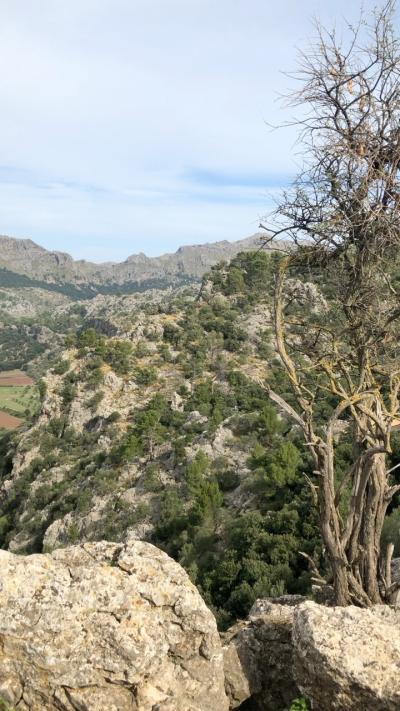
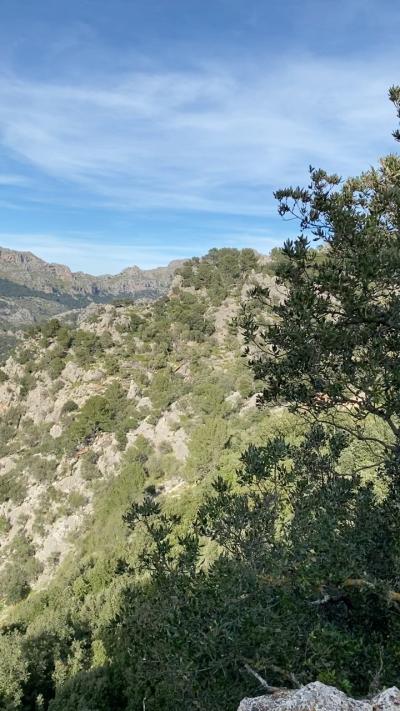
The Serra de Tramuntana mountain range is a treasure trove of striking natural rock formations carved by wind and water over millennia. Near Valldemossa and Deia, jagged limestone cliffs plunge dramatically towards the sea, creating breathtaking coastal views, especially along the Ma-10 road, popular with scenic drives and cyclists. Inland, the rugged landscape is dotted with terraced hillsides and ancient dry stone walls, revealing the island's geological history and centuries of human interaction with the land.
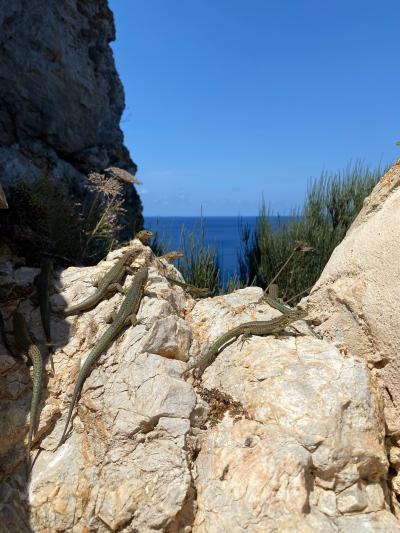
On the northeast tip, the Formentor peninsula offers towering cliffs that fall sharply into turquoise coves, while hidden among them are small caves and arches sculpted by the Mediterranean’s relentless waves. Cala Figuera and Cala s’Almunia near Santanyí feature striking rock formations framing crystal-clear waters, ideal for a quiet swim away from busier beaches. Further south, Es Trenc’s vast white sands stretch beneath a backdrop of sand dunes formed from centuries of wind-blown sediment, a softer but no less fascinating geological feature.
If you venture to the east, near Manacor, you can explore the famous Cuevas del Drach, where underground chambers and stalactites illuminate the complex geological processes that shaped the island far beneath ground level. For hikers, trails around Alcúdia and Pollenca take you past limestone outcrops and rugged terrain that invite exploration and offer stunning panoramic views. These varied landforms, from coastal cliffs and caves to mountain ranges and dunes, make the island an inspiring destination for anyone captivated by natural beauty and geology.
On the northeast tip, the Formentor peninsula offers towering cliffs that fall sharply into turquoise coves, while hidden among them are small caves and arches sculpted by the Mediterranean’s relentless waves. Cala Figuera and Cala s’Almunia near Santanyí feature striking rock formations framing crystal-clear waters, ideal for a quiet swim away from busier beaches. Further south, Es Trenc’s vast white sands stretch beneath a backdrop of sand dunes formed from centuries of wind-blown sediment, a softer but no less fascinating geological feature.
If you venture to the east, near Manacor, you can explore the famous Cuevas del Drach, where underground chambers and stalactites illuminate the complex geological processes that shaped the island far beneath ground level. For hikers, trails around Alcúdia and Pollenca take you past limestone outcrops and rugged terrain that invite exploration and offer stunning panoramic views. These varied landforms, from coastal cliffs and caves to mountain ranges and dunes, make the island an inspiring destination for anyone captivated by natural beauty and geology.

Sa Calobra
More Fotos