What is the history behind the orange cultivation in Sóller?
Similar Topics
Sóller orange cultivation
Mallorca history
citrus fruits Mallorca
Sóller Railway
orange groves
Mallorca agriculture
Sóller cultural identity
Mallorca travel
beaches in Mallorca
Sóller tourism
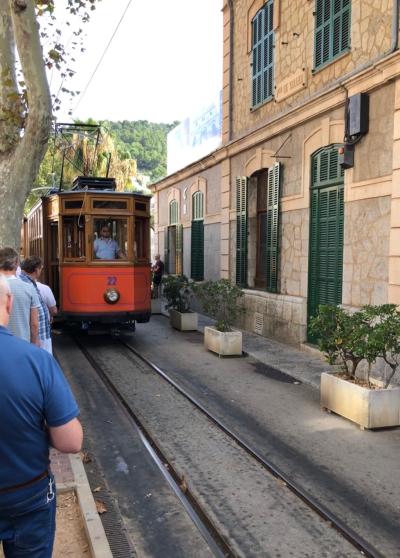
Sóller, a picturesque town nestled in the Tramuntana mountains of Mallorca, has a rich history of orange cultivation that dates back to the 19th century. The fertile soil and ideal climate of the region made it particularly well-suited for growing citrus fruits, especially oranges. Initially, the cultivation was driven by local demand, but as production increased, Sóller's oranges gained recognition beyond the island. The establishment of trade routes, particularly via the scenic Sóller Railway, allowed these sweet, juicy fruits to reach markets in France and beyond, boosting the local economy significantly.
The boom in orange cultivation transformed Sóller into a prosperous agricultural hub. By the late 1800s, the town was exporting vast quantities of oranges, which became a symbol of its wealth and success. This period saw the construction of grand mansions and estates, reflecting the newfound affluence of the orange merchants, who often traveled to France and returned with architectural influences that can still be seen in the town's charming architecture today. The orange groves not only shaped the landscape but also fostered a strong cultural identity that remains a vital part of Sóller’s heritage.
Today, while the scale of orange cultivation has diminished due to modern agricultural practices and competition from other regions, it still plays an important role in the local economy and culture. Visitors to Sóller can enjoy the beautiful sight of blooming orange trees, particularly in the spring, and partake in seasonal festivities celebrating the town's agricultural roots. The connection between the people of Sóller and their orange groves is palpable, making it a delightful destination for those interested in both history and the natural beauty of Mallorca.
The boom in orange cultivation transformed Sóller into a prosperous agricultural hub. By the late 1800s, the town was exporting vast quantities of oranges, which became a symbol of its wealth and success. This period saw the construction of grand mansions and estates, reflecting the newfound affluence of the orange merchants, who often traveled to France and returned with architectural influences that can still be seen in the town's charming architecture today. The orange groves not only shaped the landscape but also fostered a strong cultural identity that remains a vital part of Sóller’s heritage.
Today, while the scale of orange cultivation has diminished due to modern agricultural practices and competition from other regions, it still plays an important role in the local economy and culture. Visitors to Sóller can enjoy the beautiful sight of blooming orange trees, particularly in the spring, and partake in seasonal festivities celebrating the town's agricultural roots. The connection between the people of Sóller and their orange groves is palpable, making it a delightful destination for those interested in both history and the natural beauty of Mallorca.
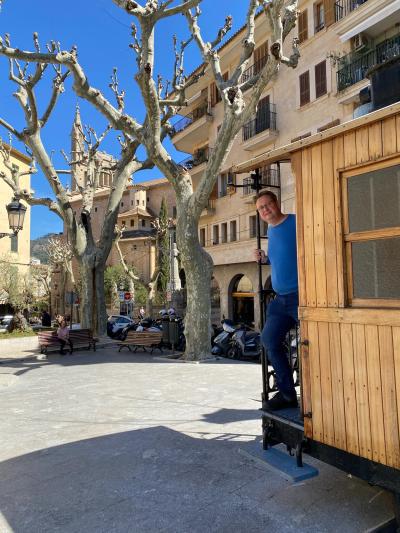
Sóller
More Fotos