Which lesser-known historical sites or ruins can I explore in Mallorca away from the main tourist crowds?
Similar Topics
pollentia ruins
serra de tramuntana
mallorca history
alcudia archaeology
manacor countryside
valldemossa historic
tib bus routes
sant sebastia festival
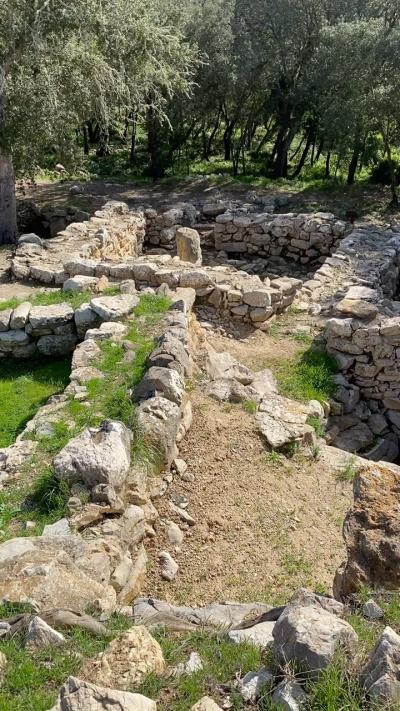
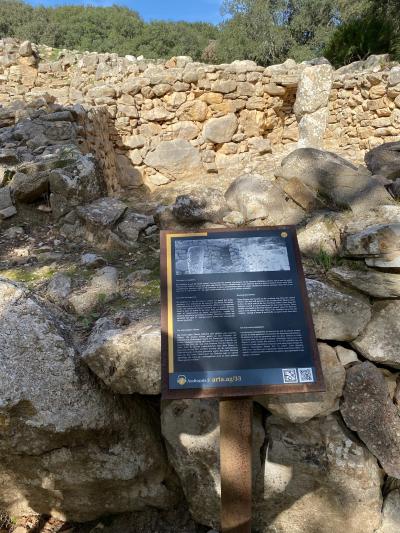
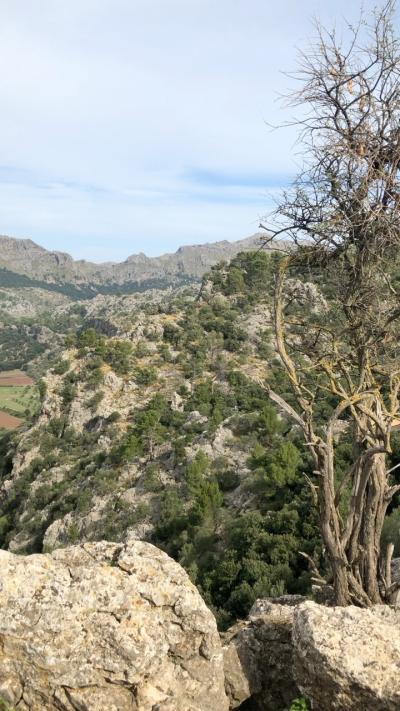
Winding through the quiet villages of the Serra de Tramuntana, you’ll find a selection of historical sites that offer a more tranquil glimpse into Mallorca’s past. Near Alcudia, the Roman ruins of Pollentia stand as one of the island’s most significant ancient settlements, yet they remain far less crowded than Palma’s bustling old town. Here, you can stroll among partially restored forums, streets, and remnants of Roman villas, imagining the life of this once-thriving city without the usual tourist bustle. The archaeological park’s peaceful atmosphere lets you linger over details like the remains of the amphitheater and city walls.
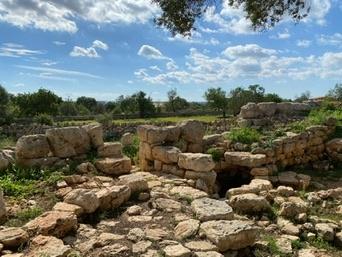
Further inland, the small town of Manacor holds secrets beyond its famous pearl industry. Rough local farms and country estates in the surrounding countryside reveal traditional stone structures and remnants of rural life that visitors rarely see. Meanwhile, the monastery ruins of Lluc, nestled in the Tramuntana mountains, provide a serene setting where history blends with natural beauty. These sites, accessible by the Ma-10 or TIB bus routes, invite discovery beyond the island’s popular beaches and resorts.
For those keen on medieval history, wandering the narrow lanes of Valldemossa or Deia leads to understated architectural treasures, from ancient churches to quiet squares lined with stone houses. These towns, often overshadowed by their postcard-perfect reputation, reveal layers of Mallorcan history when you look closely. Rather than the usual tourist paths, experiencing these places during local festivals like Sant Sebastià adds a rich cultural dimension to your visit. The island’s quieter corners connect you with centuries of history in a way that’s deeply personal and away from the main crowds.
Further inland, the small town of Manacor holds secrets beyond its famous pearl industry. Rough local farms and country estates in the surrounding countryside reveal traditional stone structures and remnants of rural life that visitors rarely see. Meanwhile, the monastery ruins of Lluc, nestled in the Tramuntana mountains, provide a serene setting where history blends with natural beauty. These sites, accessible by the Ma-10 or TIB bus routes, invite discovery beyond the island’s popular beaches and resorts.
For those keen on medieval history, wandering the narrow lanes of Valldemossa or Deia leads to understated architectural treasures, from ancient churches to quiet squares lined with stone houses. These towns, often overshadowed by their postcard-perfect reputation, reveal layers of Mallorcan history when you look closely. Rather than the usual tourist paths, experiencing these places during local festivals like Sant Sebastià adds a rich cultural dimension to your visit. The island’s quieter corners connect you with centuries of history in a way that’s deeply personal and away from the main crowds.

s'Horta
More Fotos