What other plants in Mallorca have adapted to survive wildfires?
Similar Topics
Mallorca plants
wildfire adaptation
Aleppo pine
Mediterranean sage
rockrose
ecological recovery
Tramuntana mountains
Mediterranean climate
flora diversity
Mallorca wildlife
Mallorca's landscape is a remarkable tapestry of diverse flora, much of which has developed unique adaptations to withstand the frequent wildfires that can occur in the Mediterranean climate. One of the most notable examples is the Aleppo pine, or Pinus halepensis, which is particularly resilient. These trees have developed thick bark and a high resin content that helps protect them from flames, allowing them to regenerate quickly after a fire. Their seed cones also require fire to open, facilitating the germination of new saplings in the nutrient-rich ash left behind.
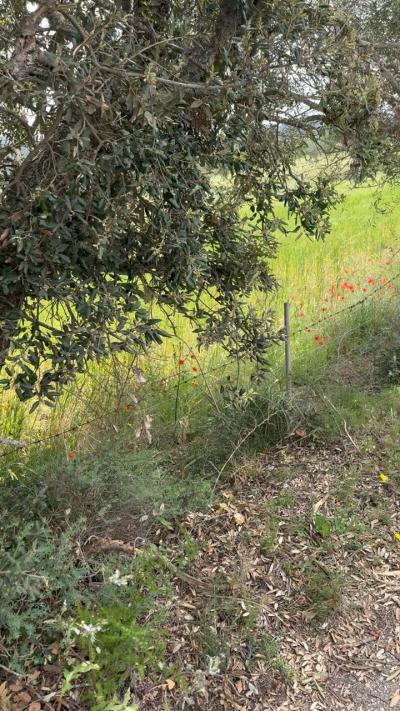
In addition to Aleppo pines, the island is home to various shrubs and herbaceous plants that have evolved to thrive in post-fire environments. Species such as the Mediterranean sage (Salvia lavandulifolia) and the rockrose (Cistus spp.) are adapted to grow vigorously after being scorched, taking advantage of the cleared space and enhanced soil nutrients. The resilience of these plants not only contributes to the ecological recovery after a fire but also supports local wildlife, as many species rely on these habitats for food and shelter.
Exploring Mallorca's natural beauty, you may come across these remarkable plants thriving in the aftermath of a wildfire, showcasing nature's incredible ability to rebound. Whether you are hiking through the Tramuntana mountains or strolling along the coast, you will encounter this rich diversity, which tells a story of survival and adaptation in the face of environmental challenges. Embracing this aspect of Mallorca can deepen your appreciation for the island's unique ecosystem and its inherent beauty.
In addition to Aleppo pines, the island is home to various shrubs and herbaceous plants that have evolved to thrive in post-fire environments. Species such as the Mediterranean sage (Salvia lavandulifolia) and the rockrose (Cistus spp.) are adapted to grow vigorously after being scorched, taking advantage of the cleared space and enhanced soil nutrients. The resilience of these plants not only contributes to the ecological recovery after a fire but also supports local wildlife, as many species rely on these habitats for food and shelter.
Exploring Mallorca's natural beauty, you may come across these remarkable plants thriving in the aftermath of a wildfire, showcasing nature's incredible ability to rebound. Whether you are hiking through the Tramuntana mountains or strolling along the coast, you will encounter this rich diversity, which tells a story of survival and adaptation in the face of environmental challenges. Embracing this aspect of Mallorca can deepen your appreciation for the island's unique ecosystem and its inherent beauty.

More Fotos

Related Questions
Related Question
What can I see on a walk from Son Bauló to Son Serra de Marina?
Related Question
What are some lesser-known natural spots or hidden gems to explore beyond Mallorca’s popular beaches and towns?
Related Question
Can visitors join guided tours at the historic windmills in Soller and other parts of Mallorca?