How do communities in Mallorca help maintain traditional irrigation and farming systems?
Similar Topics
traditional irrigation
acequias mallorca
serra de tramuntana
stone terraces
valldemossa farming
festa de l'ametler
pa amb oli
rural heritage
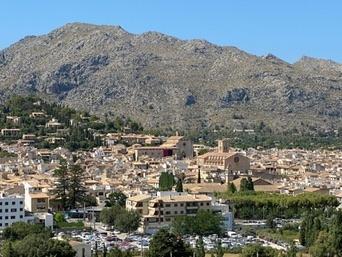
In the hills around Valldemossa and the Serra de Tramuntana, you might notice generations-old stone terraces lining the slopes, a testament to the local commitment to preserving ancient irrigation techniques. These methods, including the clever use of acequias—traditional irrigation channels—have been handed down over centuries, binding the community to both the land and their heritage. It’s more than just agriculture here; it’s a way of life that continues to shape the island’s rural identity.
Villages like Alcudia and Pollenca regularly come together to maintain these irrigation systems, ensuring water flows evenly to their dry stone terraces and vegetable patches. This cooperative spirit is essential during drier spells, with farmers and locals meeting to organise repairs and fair water distribution. They balance climate challenges with centuries-old wisdom, often integrating new approaches that enhance sustainability without erasing tradition.
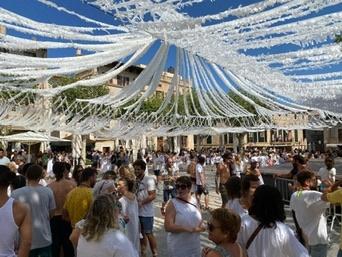
Festivals such as the Festa de l'Ametler further celebrate this link to the earth, bringing the community and visitors together to appreciate the cultural and ecological importance of the island’s farming legacy. Educational workshops in areas like Soller encourage younger generations to learn about traditional crops, water management, and culinary staples—like growing ingredients for pa amb oli or tumbet—that depend on these irrigation networks. In this way, the island’s irrigation heritage remains alive, not just as a relic, but as a vibrant part of daily life and local pride.

Cala Figuera
More Fotos