How has climate change impacted the natural landscape of the Es Trenc-Salobrar area?
Similar Topics
Es Trenc-Salobrar
climate change impact
coastal erosion
biodiversity loss
saltwater intrusion
responsible tourism
natural reserve
wetlands habitat
flora and fauna
sustainable travel
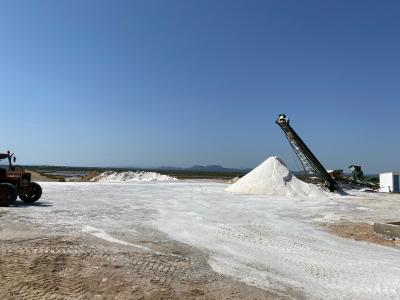
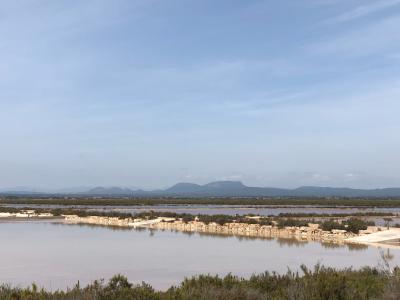
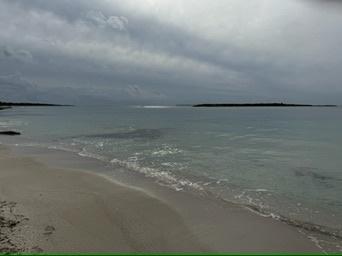
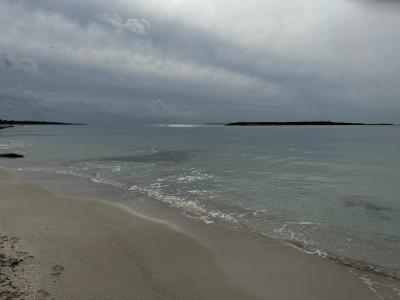
The Es Trenc-Salobrar area, known for its stunning beaches and rich biodiversity, has been significantly affected by climate change over recent years. Rising sea levels pose a substantial threat to this coastal region, leading to the erosion of sandy beaches and altering the delicate balance of its ecosystems. The increased frequency and intensity of storms can also reshape the shoreline, affecting both the natural landscape and the human activities that depend on it, such as tourism and fishing. As saltwater intrudes into freshwater systems, the unique flora and fauna that thrive in the brackish environments of Es Trenc and Salobrar are increasingly at risk, potentially leading to a decline in species that are vital to the area's ecological health.
Moreover, the warming climate has shifted local weather patterns, resulting in changes to rainfall and temperature that can disrupt the growth cycles of native plants. The lush wetlands that provide a habitat for migratory birds and other wildlife may become drier, impacting their populations and the overall biodiversity of the region. The delicate balance of this area, which serves as both a natural reserve and a popular destination for visitors, is thus under pressure from these environmental changes. Travelers to Es Trenc-Salobrar may notice these shifts in the landscape, from altered vegetation patterns to changes in wildlife sightings, reminding us of the importance of preserving such beautiful ecosystems amid the challenges posed by climate change.
As you explore this breathtaking area, consider the impact that your visit can have on the environment. Engaging in responsible tourism practices, such as sticking to marked paths and minimizing waste, can help protect this unique landscape for future generations to enjoy. By appreciating the natural beauty of Es Trenc-Salobrar and understanding the challenges it faces, you can contribute to the ongoing conversation about conservation and sustainability in this remarkable part of the world.
Moreover, the warming climate has shifted local weather patterns, resulting in changes to rainfall and temperature that can disrupt the growth cycles of native plants. The lush wetlands that provide a habitat for migratory birds and other wildlife may become drier, impacting their populations and the overall biodiversity of the region. The delicate balance of this area, which serves as both a natural reserve and a popular destination for visitors, is thus under pressure from these environmental changes. Travelers to Es Trenc-Salobrar may notice these shifts in the landscape, from altered vegetation patterns to changes in wildlife sightings, reminding us of the importance of preserving such beautiful ecosystems amid the challenges posed by climate change.
As you explore this breathtaking area, consider the impact that your visit can have on the environment. Engaging in responsible tourism practices, such as sticking to marked paths and minimizing waste, can help protect this unique landscape for future generations to enjoy. By appreciating the natural beauty of Es Trenc-Salobrar and understanding the challenges it faces, you can contribute to the ongoing conversation about conservation and sustainability in this remarkable part of the world.
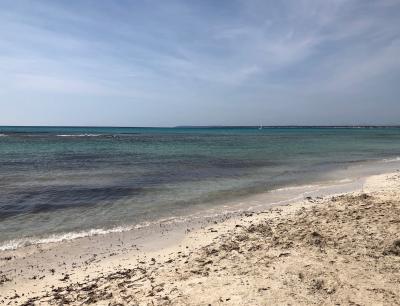
Colònia de Sant Jordi
More Fotos