How do Mallorca’s climate and soil influence its unique plant life?
Similar Topics
mallorca plants
serra de tramuntana
microclimates mallorca
mallorca soil
cala mondrago flora
balearic island plants
mallorca biodiversity
tramuntana vegetation
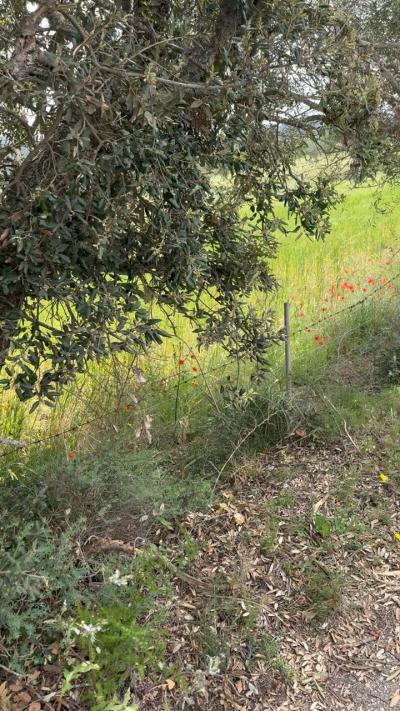
It’s often assumed that the entire island shares a uniform climate, but Mallorca’s terrain creates a patchwork of microclimates that shape its plant diversity. Coastal areas like Cala Mondrago and Es Trenc enjoy mild breezes and humidity from the Mediterranean, nurturing salt-tolerant shrubs and aromatic herbs such as rosemary and thyme. In contrast, the Serra de Tramuntana mountains bring cooler temperatures and occasional mist, supporting pine forests and patches of oak that wouldn’t thrive along the coast. The interior valleys, around towns like Soller and Valldemossa, experience drier conditions, where hardier plants, including scrub and wild olive trees, find their niche.
The island’s soil varies dramatically due to its geological history, which plays a vital role in supporting diverse vegetation. Limestone bedrock dominates much of the Tramuntana area, creating alkaline soils that host specialized flora, including endemic species rarely seen elsewhere in the Mediterranean. In the fertile plains near Manacor and Alcudia, richer, more clay-based soils support agricultural crops and wildflowers that add bursts of colour throughout the seasons. This blend of microclimates and soil types results in a botanical richness that visitors can witness while hiking along the Ma-10 or exploring rural paths near Pollenca. The interplay between climate and earth here not only supports traditional crops but also sustains wild habitats, offering an inspiring palette for nature enthusiasts and botanists exploring the island’s varied landscapes.
The island’s soil varies dramatically due to its geological history, which plays a vital role in supporting diverse vegetation. Limestone bedrock dominates much of the Tramuntana area, creating alkaline soils that host specialized flora, including endemic species rarely seen elsewhere in the Mediterranean. In the fertile plains near Manacor and Alcudia, richer, more clay-based soils support agricultural crops and wildflowers that add bursts of colour throughout the seasons. This blend of microclimates and soil types results in a botanical richness that visitors can witness while hiking along the Ma-10 or exploring rural paths near Pollenca. The interplay between climate and earth here not only supports traditional crops but also sustains wild habitats, offering an inspiring palette for nature enthusiasts and botanists exploring the island’s varied landscapes.

More Fotos