What architectural styles can I see in Palma and other towns on the island?
Similar Topics
palma architecture
gothic cathedral
tramuntana villages
mallorcan townhouses
neoclassical facades
art deco mallorca
traditional balconies
historic buildings
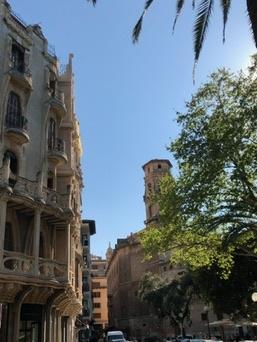
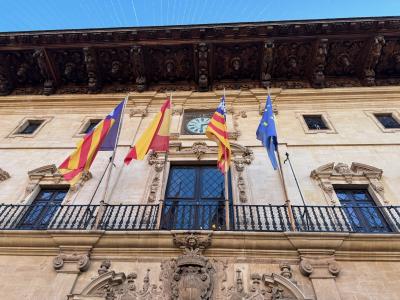
The buildings across Palma and towns like Valldemossa, Pollença, and Sóller showcase a fascinating mix of architectural styles shaped by centuries of history. In Palma’s old town, Gothic architecture is striking, especially in landmarks like the Cathedral of Santa Maria, or La Seu, where soaring pointed arches and intricate stonework create a majestic atmosphere. Narrow, winding streets reveal traditional Mallorcan townhouses with their shuttered windows and stone balconies, reflecting a vernacular style rooted in Mediterranean living.
Moving into rural areas and mountain villages along the Serra de Tramuntana, you’ll often see rustic stone farmhouses and manor houses blending with the natural landscape. Here, Neoclassical details sometimes appear in façades, characterized by symmetry and elegant columns, notably in some former noble estates. The early 20th century brought Modernisme influences to Palma and beyond, visible in decorative tiles and wrought ironwork.
The mid-century also introduced Art Deco touches and some streamlined buildings, offering a colourful contrast to older facades. Meanwhile, traditional elements like wooden shutters, terracotta roofs, and the famous wrought iron balconies remain constant, anchoring the island’s architectural identity. As you stroll through different towns or drive along the Ma-13 and Ma-19 highways, these layers of style provide a vivid glimpse into Mallorca’s cultural and historical evolution.
Moving into rural areas and mountain villages along the Serra de Tramuntana, you’ll often see rustic stone farmhouses and manor houses blending with the natural landscape. Here, Neoclassical details sometimes appear in façades, characterized by symmetry and elegant columns, notably in some former noble estates. The early 20th century brought Modernisme influences to Palma and beyond, visible in decorative tiles and wrought ironwork.
The mid-century also introduced Art Deco touches and some streamlined buildings, offering a colourful contrast to older facades. Meanwhile, traditional elements like wooden shutters, terracotta roofs, and the famous wrought iron balconies remain constant, anchoring the island’s architectural identity. As you stroll through different towns or drive along the Ma-13 and Ma-19 highways, these layers of style provide a vivid glimpse into Mallorca’s cultural and historical evolution.
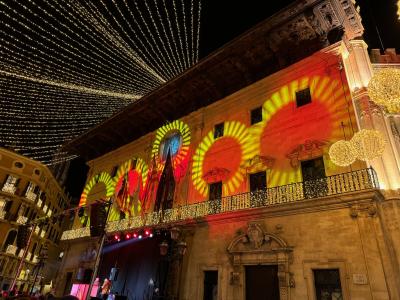
Palma
More Fotos