What are the key historical landmarks to visit on the island?
Similar Topics
palma cathedral
almudaina palace
pollentia ruins
capdepera fortress
lluc monastery
soller train station
valldemossa
tramuntana mountains
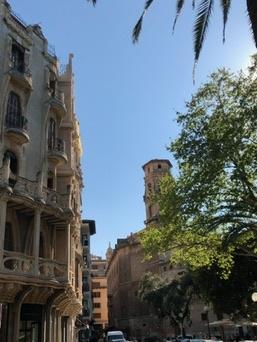
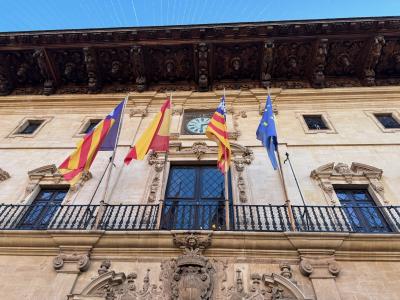
The cobbled streets of Palma’s Old Town are a perfect starting point for exploring the island’s rich history. Here, striking Gothic architecture dominates, especially at La Seu, the Palma Cathedral, whose soaring spire and stunning stained glass windows create an unforgettable sight. Nearby, the Almudaina Palace stands as a testament to Mallorca’s blend of Christian and Moorish influences, offering insight into centuries of island heritage.
Venturing north, the ancient Roman ruins of Pollentia near Alcudia reveal the island's early foundations, with well-preserved mosaics and city walls that whisper stories of the past. The fortress of Capdepera, perched on a hilltop, provides panoramic views while showcasing medieval military architecture that once guarded the coast. In the Tramuntana mountains, the monastery of Lluc remains a spiritual and historical beacon, attracting visitors curious about both culture and nature.
Soller’s vintage train station is another landmark worth visiting, linking the town’s historic charm with Palma by an iconic narrow-gauge railway. Scattered across the island, smaller villages like Valldemossa and Deia offer historic stone houses and palacios tucked among olive trees and rugged cliffs, reflecting Mallorca’s rural aristocratic past. These landmarks, each with their own stories, bring alive the island's history beyond just a typical sun-and-beach holiday.
Venturing north, the ancient Roman ruins of Pollentia near Alcudia reveal the island's early foundations, with well-preserved mosaics and city walls that whisper stories of the past. The fortress of Capdepera, perched on a hilltop, provides panoramic views while showcasing medieval military architecture that once guarded the coast. In the Tramuntana mountains, the monastery of Lluc remains a spiritual and historical beacon, attracting visitors curious about both culture and nature.
Soller’s vintage train station is another landmark worth visiting, linking the town’s historic charm with Palma by an iconic narrow-gauge railway. Scattered across the island, smaller villages like Valldemossa and Deia offer historic stone houses and palacios tucked among olive trees and rugged cliffs, reflecting Mallorca’s rural aristocratic past. These landmarks, each with their own stories, bring alive the island's history beyond just a typical sun-and-beach holiday.

Palma
More Fotos