What unique geological formations can I explore around the Serra de Tramuntana?
Similar Topics
serra de tramuntana
limestone cliffs
karst landscape
ma-10 road
cala mondrago
fossil sites
pollenca geology
coastal coves
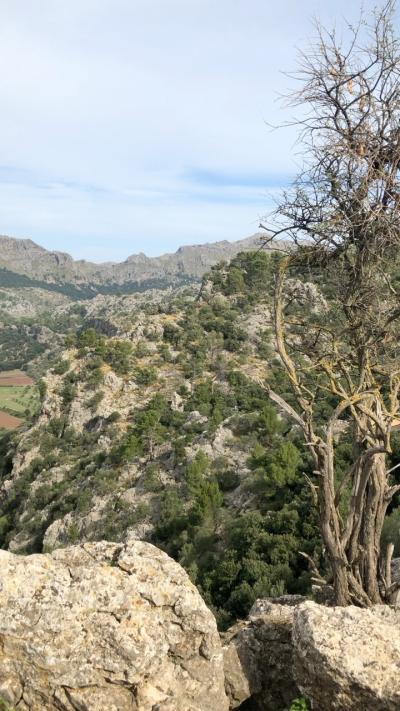
Planning a route along the Ma-10 through the Serra de Tramuntana reveals some of the most stunning geological formations on the island. Towering limestone cliffs plunge dramatically into the Mediterranean, shaping breathtaking coves like Sa Calobra and Cala Tuent. These rocky outcrops, sculpted over millions of years by erosion, create a textured landscape of crags and gorges that change color with the shifting light, especially at dawn when the Ma-10 winds through the mountains.
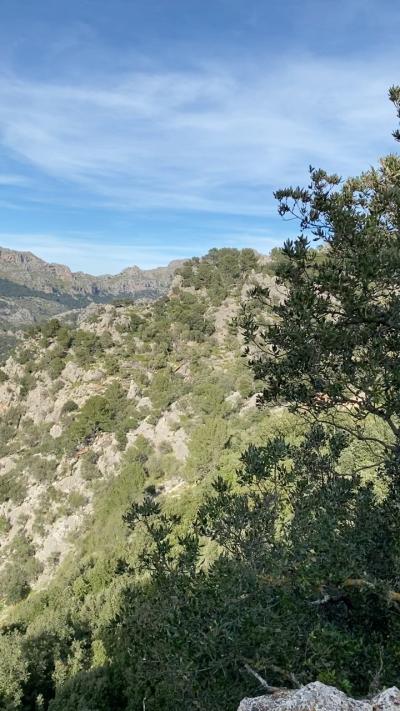
In the north, especially near Pollenca and Formentor, you'll find striking karst landscapes and narrow valleys carved deep into the rock. The ancient seabed sediments uplifted by tectonic forces offer clear evidence of the island’s complex geological past. If you take one of the many walking trails in the Tramuntana, such as around Valldemossa or Deia, you’ll notice sedimentary rock layers that tell tales of prehistoric environments. Occasionally, you might spot fossilized shells embedded within these cliffs, silent reminders of the marine life that once thrived here.
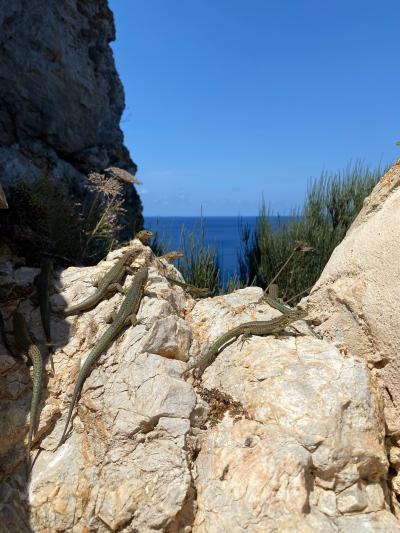
Along the coastline, the contrasts are vivid where white limestone meets turquoise waters. Hidden among these cliffs are small coves, like Cala Llombards and Cala Mondrago, featuring smooth pebble beaches and geological strata visible at low tide. While Mallorca lacks volcanic features like hot springs, its striking cliffs and gorges offer an equally powerful sense of the earth’s dynamism. Exploring this terrain invites a deeper appreciation of the island’s natural history, beyond the typical sun-and-sea holiday.
In the north, especially near Pollenca and Formentor, you'll find striking karst landscapes and narrow valleys carved deep into the rock. The ancient seabed sediments uplifted by tectonic forces offer clear evidence of the island’s complex geological past. If you take one of the many walking trails in the Tramuntana, such as around Valldemossa or Deia, you’ll notice sedimentary rock layers that tell tales of prehistoric environments. Occasionally, you might spot fossilized shells embedded within these cliffs, silent reminders of the marine life that once thrived here.
Along the coastline, the contrasts are vivid where white limestone meets turquoise waters. Hidden among these cliffs are small coves, like Cala Llombards and Cala Mondrago, featuring smooth pebble beaches and geological strata visible at low tide. While Mallorca lacks volcanic features like hot springs, its striking cliffs and gorges offer an equally powerful sense of the earth’s dynamism. Exploring this terrain invites a deeper appreciation of the island’s natural history, beyond the typical sun-and-sea holiday.

Sa Calobra
More Fotos