What distinguishes traditional Mallorcan pa amb oli from seafood paella on the island?
Similar Topics
pa amb oli
seafood paella
sobrassada
mallorca cuisine
formentor seafood
binissalem wine
sant sebastia festival
tramuntana food
Pa amb oli captures the quiet rhythms of a Mallorcan afternoon far from the bustle of Palma’s winding streets or the popular beaches like Cala Mondrago. This simple dish showcases the island’s rustic produce: crusty local bread rubbed with ripe tomatoes, drizzled generously with olive oil from nearby fields, and often accompanied by slices of sobrassada or local cheese. Unlike the richly layered and saffron-infused seafood paella brought in from the mainland, pa amb oli celebrates freshness and straightforward flavors, rooted in Mallorca’s agricultural tradition rather than the coastal abundance.
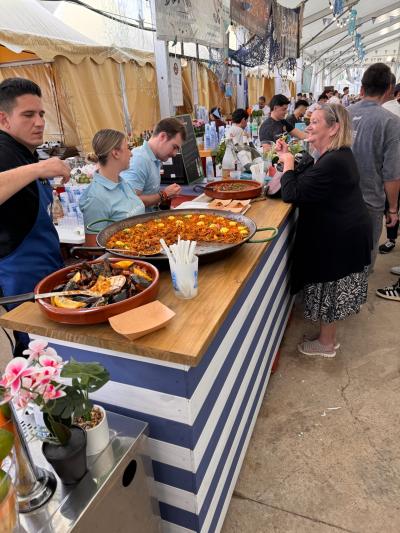
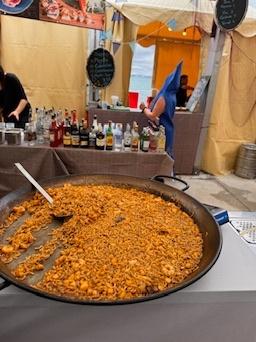
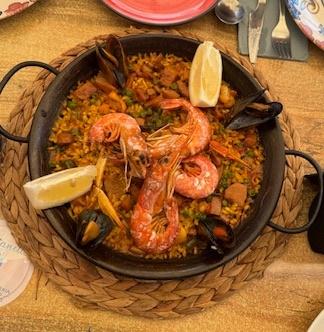
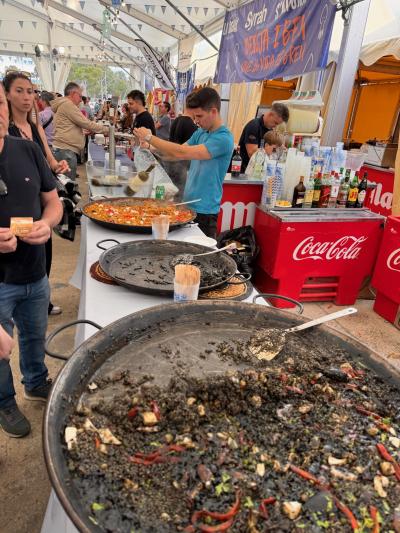
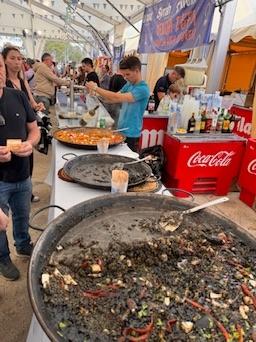
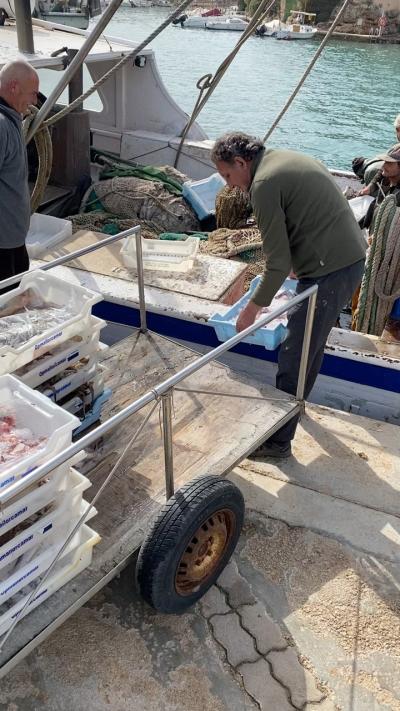
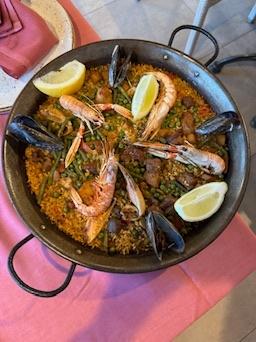
Seafood paella, by contrast, reflects Mallorca’s maritime ties, featuring a mix of squid, clams, prawns, and sometimes fresh fish caught off the coasts near Formentor or Alcudia. The rice simmers slowly in a wide paella pan, absorbing a fragrant blend of seafood stock and saffron, with the coveted socarrat—the crispy, caramelized bottom layer—completing the experience. While pa amb oli can be whipped up in any kitchen or village market, seafood paella is usually savored during special gatherings or coastal celebrations, where grilling fish and simmering rice go hand in hand.
Both dishes tell a story of place: pa amb oli representing the earthy traditions of the inland towns like Sineu and Manacor, and seafood paella evoking the busy fishing harbors and golden sunsets of the island’s coast. Tasting each provides a delicious contrast—one humble and grounding, the other a festive nod to the sea’s generosity. Sampling them side by side, perhaps accompanied by a glass of Binissalem wine or a sip of Hierbas after a festival like Sant Sebastia, offers a delicious journey through Mallorca’s culinary soul.
Seafood paella, by contrast, reflects Mallorca’s maritime ties, featuring a mix of squid, clams, prawns, and sometimes fresh fish caught off the coasts near Formentor or Alcudia. The rice simmers slowly in a wide paella pan, absorbing a fragrant blend of seafood stock and saffron, with the coveted socarrat—the crispy, caramelized bottom layer—completing the experience. While pa amb oli can be whipped up in any kitchen or village market, seafood paella is usually savored during special gatherings or coastal celebrations, where grilling fish and simmering rice go hand in hand.
Both dishes tell a story of place: pa amb oli representing the earthy traditions of the inland towns like Sineu and Manacor, and seafood paella evoking the busy fishing harbors and golden sunsets of the island’s coast. Tasting each provides a delicious contrast—one humble and grounding, the other a festive nod to the sea’s generosity. Sampling them side by side, perhaps accompanied by a glass of Binissalem wine or a sip of Hierbas after a festival like Sant Sebastia, offers a delicious journey through Mallorca’s culinary soul.
Portopetro
More Fotos