What are some noteworthy historical sites to visit while exploring the island?
Similar Topics
palma cathedral
almudaina palace
pollentia ruins
valldemossa charterhouse
serra de tramuntana
ma-10 road
sobrassada
sant sebastia festival
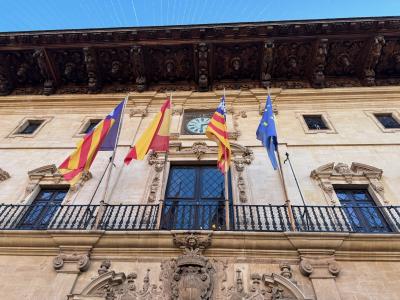
The island's history is richly layered, evident in its many preserved sites scattered across the landscape. In Palma, the majestic Cathedral of Santa Maria, known locally as La Seu, showcases centuries of Gothic architecture and offers stunning views over the Bay of Palma. Just nearby, the Almudaina Palace, once a Moorish fortress, reflects the blend of Islamic and Christian influences that have shaped the island's heritage.
Further north, the ancient ruins at Pollentia near Alcudia reveal traces of Roman civilization, with remains of amphitheaters, forums, and city walls that transport you back to island life two millennia ago. Up in the Serra de Tramuntana, the 14th-century charterhouse of Valldemossa speaks to a monastic tradition that drew figures like Chopin and George Sand. Deia, too, preserves its artistic and cultural legacy with centuries-old stone houses and the simple but evocative parish church.
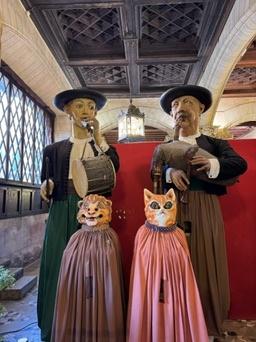
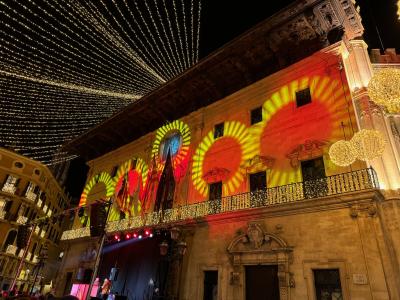
Travelers keen on history might also explore Manacor’s traditional craft heritage or follow stretches of the Ma-10 and Ma-19 roads to discover defensive towers and quaint villages hinting at past networks of trade and defense. These sites collectively weave the story of the island’s evolving identity, from Roman settlers and Moorish rulers to Christian kingdoms and modern artists. Diving into local museums, tasting sobrasada and ensaimada, or attending events like Sant Sebastià in Palma offers living connections to this vibrant past.
Further north, the ancient ruins at Pollentia near Alcudia reveal traces of Roman civilization, with remains of amphitheaters, forums, and city walls that transport you back to island life two millennia ago. Up in the Serra de Tramuntana, the 14th-century charterhouse of Valldemossa speaks to a monastic tradition that drew figures like Chopin and George Sand. Deia, too, preserves its artistic and cultural legacy with centuries-old stone houses and the simple but evocative parish church.
Travelers keen on history might also explore Manacor’s traditional craft heritage or follow stretches of the Ma-10 and Ma-19 roads to discover defensive towers and quaint villages hinting at past networks of trade and defense. These sites collectively weave the story of the island’s evolving identity, from Roman settlers and Moorish rulers to Christian kingdoms and modern artists. Diving into local museums, tasting sobrasada and ensaimada, or attending events like Sant Sebastià in Palma offers living connections to this vibrant past.

Palma
More Fotos