Which historical towns near Palma are worth visiting for a day trip?
Similar Topics
valldemossa
sóller
alcúdia
pollensa
tramuntana
pa amb oli
sobrassada
carthusian monastery
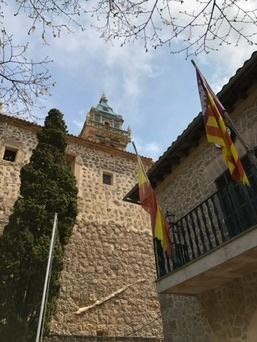
Those living here often spend their free time wandering through Mallorca’s timeless villages, many of which are steeped in history and offer a deep sense of local culture. Just a short journey from Palma, the town of Valldemossa charm with its cobbled streets and the famous Carthusian Monastery where Chopin once stayed. It’s a peaceful place to soak up history alongside stunning views of the Tramuntana mountains.
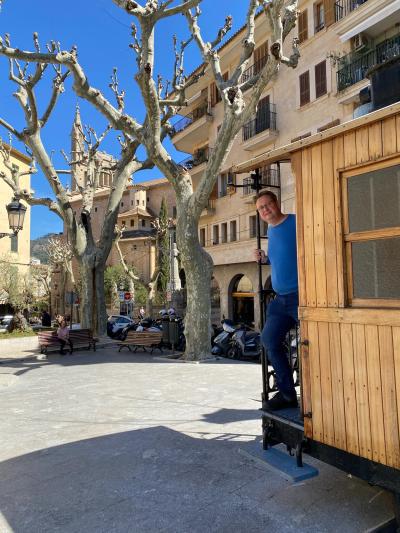
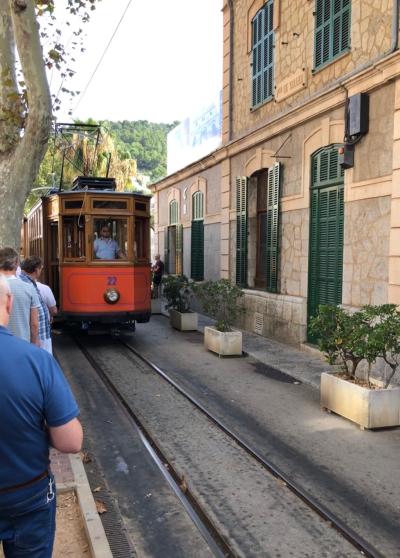
Not far away, Sóller captivates with its Art Nouveau architecture and the nostalgic old wooden train from Palma that winds through the scenic orange groves. The nearby Port de Sóller complements the experience with its waterfront restaurants and tranquil bay. Further north, Alcúdia retains well-preserved medieval walls and Roman ruins, making it perfect for history enthusiasts who enjoy exploring ancient layers alongside vibrant market days.
Pollensa combines historical charm and artistic heritage, with its 18th-century streets and the dramatic Calvari steps that lead to panoramic views above the town. For a touch of bohemian history, the village of Deià offers narrow streets once home to artists and writers, nestled in the Tramuntana’s heart. Each of these towns not only reveals Mallorca’s rich past but also invites leisurely exploration, often paired beautifully with local fare like pa amb oli or sobrassada enjoyed in traditional cafés.
Not far away, Sóller captivates with its Art Nouveau architecture and the nostalgic old wooden train from Palma that winds through the scenic orange groves. The nearby Port de Sóller complements the experience with its waterfront restaurants and tranquil bay. Further north, Alcúdia retains well-preserved medieval walls and Roman ruins, making it perfect for history enthusiasts who enjoy exploring ancient layers alongside vibrant market days.
Pollensa combines historical charm and artistic heritage, with its 18th-century streets and the dramatic Calvari steps that lead to panoramic views above the town. For a touch of bohemian history, the village of Deià offers narrow streets once home to artists and writers, nestled in the Tramuntana’s heart. Each of these towns not only reveals Mallorca’s rich past but also invites leisurely exploration, often paired beautifully with local fare like pa amb oli or sobrassada enjoyed in traditional cafés.
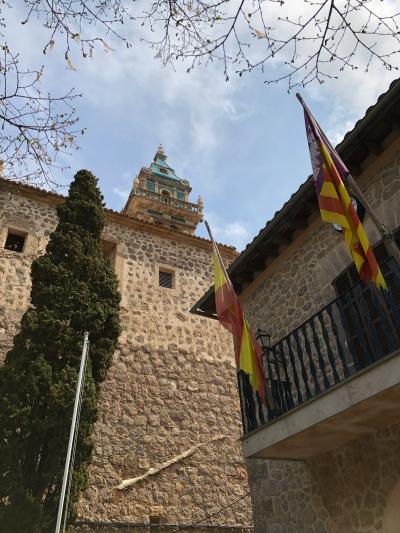
Valldemossa
More Fotos




Related Questions
Related Question
When is the best time to visit Mallorca to avoid crowds and enjoy the island's activities?
Related Question
What are the best months to visit Playa de Palma for good weather?
Related Question
Are there any restrictions on taking photos from terraces in Palma or other parts of the island?