How does Mallorca's landscape affect the types of wildlife I can see here?
- Mallorca wildlife
- Serra de tramuntana
- Es trenc beach
- Mallorca birds
- Balearic ecosystems
- Pollenca wetlands
- Natural parks mallorca
- Mallorca conservation
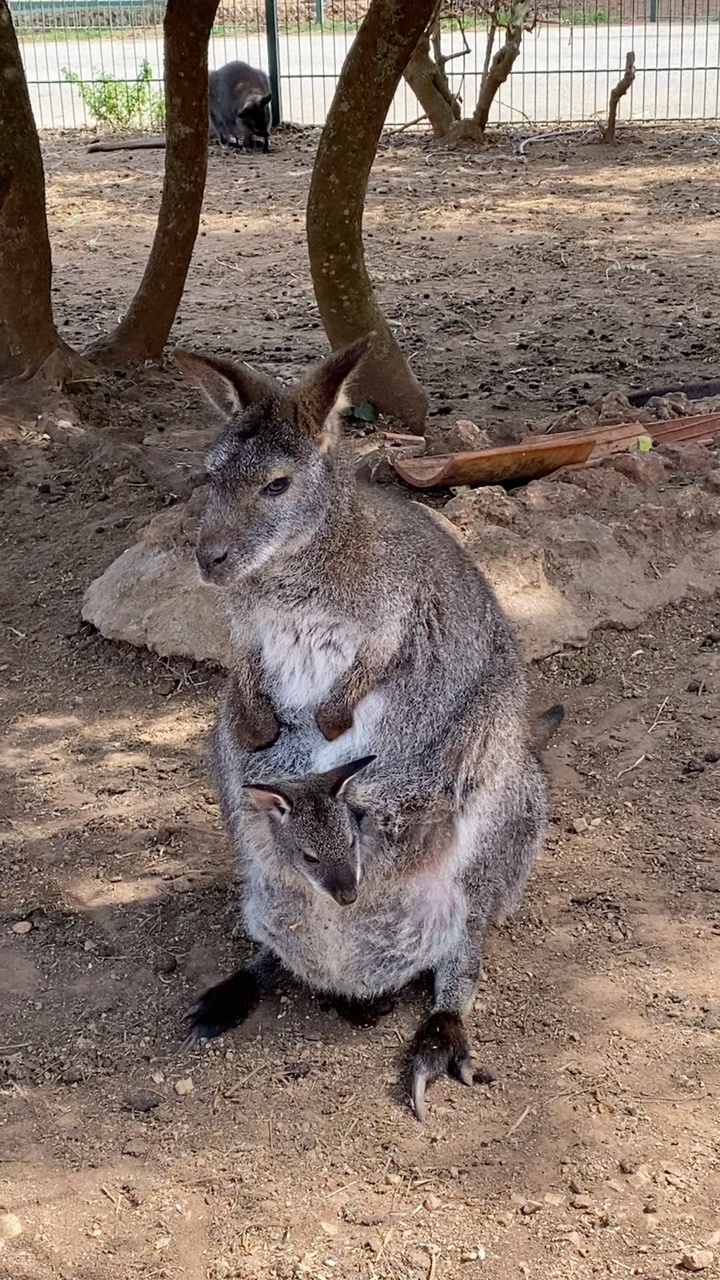
The island's diverse terrain—from the rugged peaks of the Serra de Tramuntana to its sandy coves and pine-dotted plains—creates distinct habitats that shape the wildlife you’ll encounter. In the Tramuntana mountains, for example, you might spot endemic birds like the Balearic warbler or the short-toed treecreeper, which thrive among the Mediterranean shrubland and rocky outcrops. Along the coast, beaches such as Es Trenc and Cala Mondrago offer nesting grounds for marine birds and occasional sightings of sea turtles in the crystal-clear waters.
Seasonal rhythms bring their own changes, with spring and early summer particularly lively as migratory species pass through or settle in places like the wetlands around Alcudia or Pollenca. In contrast, winter quiets many animal activities, though the mild climate means reptiles like the common wall lizard remain visible year-round. The island’s flora—such as fragrant herbs that give rise to local spirits like Hierbas—also supports various insects and pollinators, enriching the ecosystem.
Human efforts toward conservation, especially in protected natural parks and marine reserves, help maintain this biodiversity despite growing tourism and urbanization in Palma and other towns. Traveling via the TIB bus or on foot along trails near Valldemossa and Deia offers excellent opportunities to experience these environments up close. Combining this with visits to local nature centers can broaden your understanding of how Mallorca’s landscapes nurture its unique wildlife, making your encounter all the more memorable.