How did the Battle of Lepanto affect maritime trade routes around Mallorca and the western Mediterranean?
Similar Topics
battle of lepanto
mallorca maritime trade
holy league
western mediterranean
spanish trade routes
binissalem wine
sobrassada
alcudia port
The echoes of cannon fire from the Battle of Lepanto in 1571 resounded across the western Mediterranean, shifting the balance of naval power and altering trade routes that touched the shores of Mallorca. Before the battle, Ottoman fleets held significant sway over the Mediterranean’s key maritime channels, which impacted ports like Palma and other trading hubs around the island. The Holy League’s victory undermined Ottoman dominance, allowing the Spanish crown to reinforce its control over these waters and secure critical trade pathways.
This change brought heightened security to sea routes linking Mallorca with major Mediterranean markets, encouraging greater commercial exchange of local goods such as Binissalem wines, sobrassada, and olive oil. Ports on the island’s north coast, like Alcudia and Pollenca, saw evolving roles as safer harbors for Mediterranean merchants. Over time, the decline of Ottoman naval threat spurred European maritime innovation and exploration, gradually shifting attention from Mediterranean-focused trade toward new Atlantic routes, yet Mallorca remained a vital stop for regional commerce and naval passage.
The aftermath of Lepanto also indirectly strengthened Mallorca’s position within Spain’s imperial network by opening safer access for goods moving between the north African coast, mainland Spain, and the island’s bustling ports. The Ma-13 road and the island’s coastal corridors would later benefit from this increased stability and prosperity, fostering the growth of towns such as Soller and Port de Pollenca. While the Age of Exploration redirected global trade routes, the island’s rich maritime history remains anchored in this pivotal moment that fortified its place in Mediterranean affairs.
This change brought heightened security to sea routes linking Mallorca with major Mediterranean markets, encouraging greater commercial exchange of local goods such as Binissalem wines, sobrassada, and olive oil. Ports on the island’s north coast, like Alcudia and Pollenca, saw evolving roles as safer harbors for Mediterranean merchants. Over time, the decline of Ottoman naval threat spurred European maritime innovation and exploration, gradually shifting attention from Mediterranean-focused trade toward new Atlantic routes, yet Mallorca remained a vital stop for regional commerce and naval passage.
The aftermath of Lepanto also indirectly strengthened Mallorca’s position within Spain’s imperial network by opening safer access for goods moving between the north African coast, mainland Spain, and the island’s bustling ports. The Ma-13 road and the island’s coastal corridors would later benefit from this increased stability and prosperity, fostering the growth of towns such as Soller and Port de Pollenca. While the Age of Exploration redirected global trade routes, the island’s rich maritime history remains anchored in this pivotal moment that fortified its place in Mediterranean affairs.
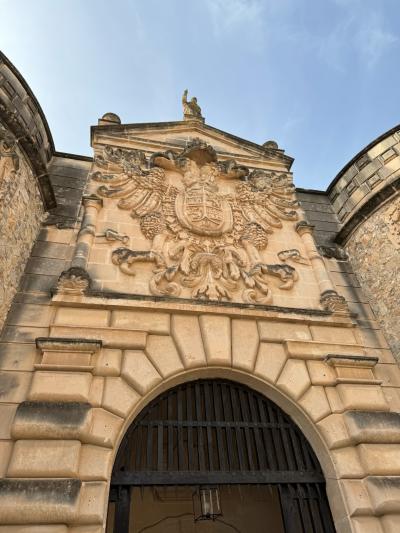
Palma
More Fotos