How does the cathedral's design reflect the culture and history of Mallorca?
Similar Topics
Mallorca cathedral
La Seu
Gothic architecture
Mallorca history
Palma de Mallorca
Antoni Gaudí
rose window
cultural heritage Mallorca
beaches Mallorca
Mallorca travel
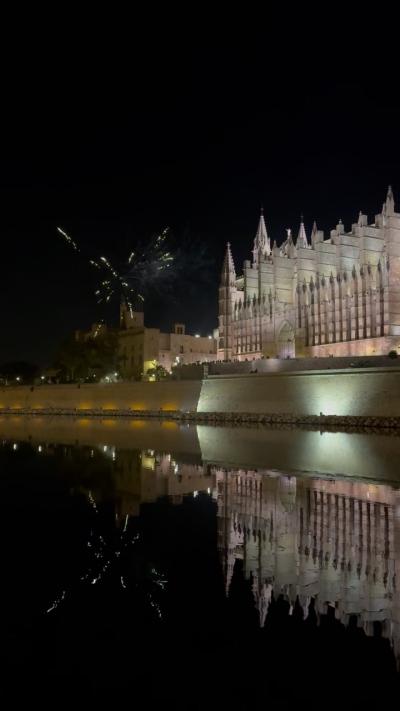
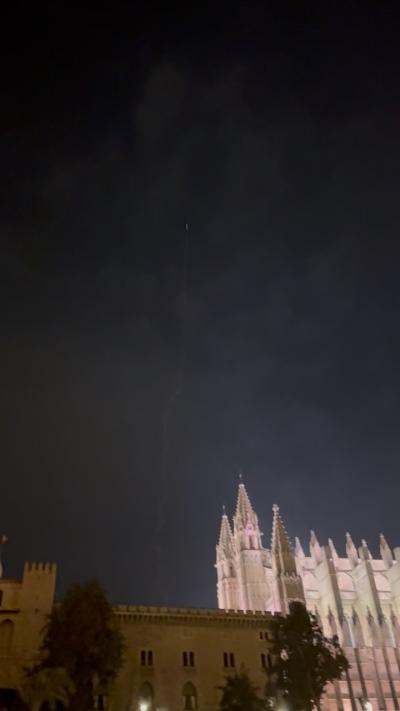
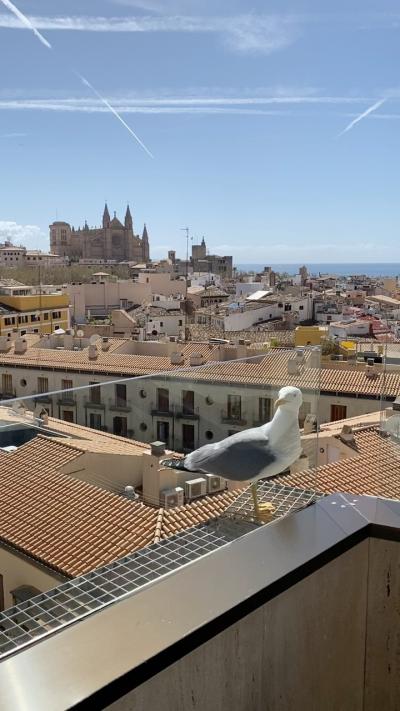
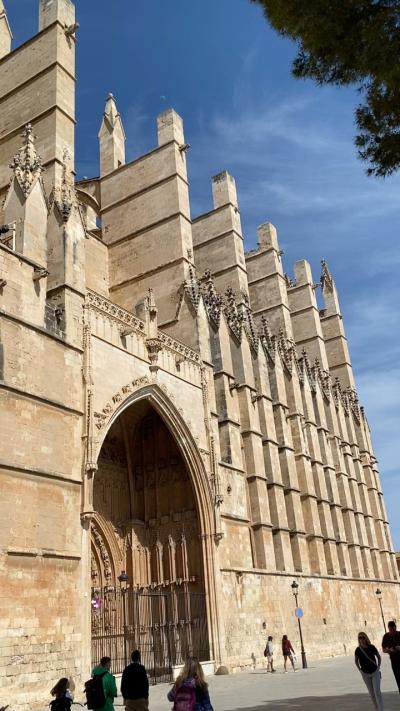
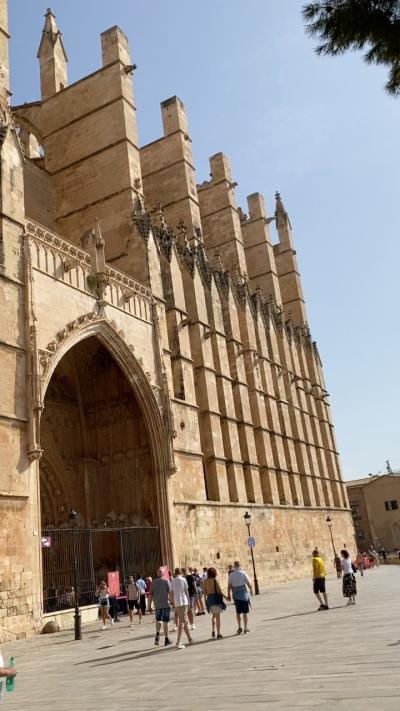
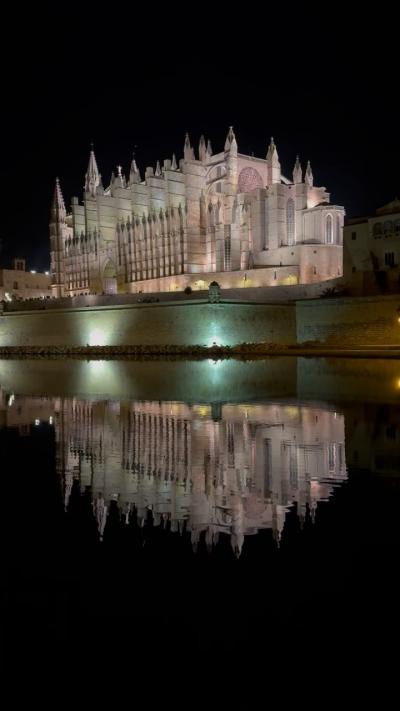
The Cathedral of Santa Maria of Palma, also known as La Seu, is a striking example of Gothic architecture that captures the essence of Mallorca’s rich cultural and historical tapestry. Its construction began in the 13th century, shortly after the island was reconquered by the Christians from Muslim rule. This shift in power is reflected in the cathedral’s design, which combines elements from both the Gothic tradition and local influences, showcasing the island's diverse history. The cathedral's soaring arches and intricate stained glass windows not only serve a functional purpose but also symbolize the aspirations of a society striving for spiritual elevation and artistic expression in a period of significant transition.
As you explore La Seu, you’ll notice the unique incorporation of local materials and styles that echo Mallorca’s identity. The use of sandstone from the nearby mountain of Na Burguesa gives the building a warm, golden hue that harmonizes beautifully with the island’s natural landscape. Furthermore, the impressive rose window, one of the largest in the world, allows sunlight to pour into the nave, creating a mesmerizing play of colors that enhances the spiritual ambiance. This aspect of the design reflects the islanders' deep connection to their environment and their desire to create spaces that resonate with both beauty and reverence.
Moreover, the cathedral has evolved over the centuries, adapting to various artistic movements and influences. The addition of the modernist elements by architect Antoni Gaudí in the early 20th century brings a contemporary flair to its historical foundation, illustrating Mallorca's ongoing dialogue between the past and the present. This blending of styles not only tells the story of a community that values tradition but also one that embraces innovation, making La Seu a symbol of Mallorca’s enduring cultural heritage. In visiting the cathedral, you’re not just witnessing a remarkable architectural feat; you’re experiencing a living testament to the island's history, faith, and artistic spirit.
As you explore La Seu, you’ll notice the unique incorporation of local materials and styles that echo Mallorca’s identity. The use of sandstone from the nearby mountain of Na Burguesa gives the building a warm, golden hue that harmonizes beautifully with the island’s natural landscape. Furthermore, the impressive rose window, one of the largest in the world, allows sunlight to pour into the nave, creating a mesmerizing play of colors that enhances the spiritual ambiance. This aspect of the design reflects the islanders' deep connection to their environment and their desire to create spaces that resonate with both beauty and reverence.
Moreover, the cathedral has evolved over the centuries, adapting to various artistic movements and influences. The addition of the modernist elements by architect Antoni Gaudí in the early 20th century brings a contemporary flair to its historical foundation, illustrating Mallorca's ongoing dialogue between the past and the present. This blending of styles not only tells the story of a community that values tradition but also one that embraces innovation, making La Seu a symbol of Mallorca’s enduring cultural heritage. In visiting the cathedral, you’re not just witnessing a remarkable architectural feat; you’re experiencing a living testament to the island's history, faith, and artistic spirit.
More Fotos