How do the changing seasons shape the scenery and natural beauty on Mallorca?
Similar Topics
serra de tramuntana
es trenc beach
binissalem wine
ma-10 road
pollenca autumn
sant sebastia festival
mallorca hiking
sobrassada
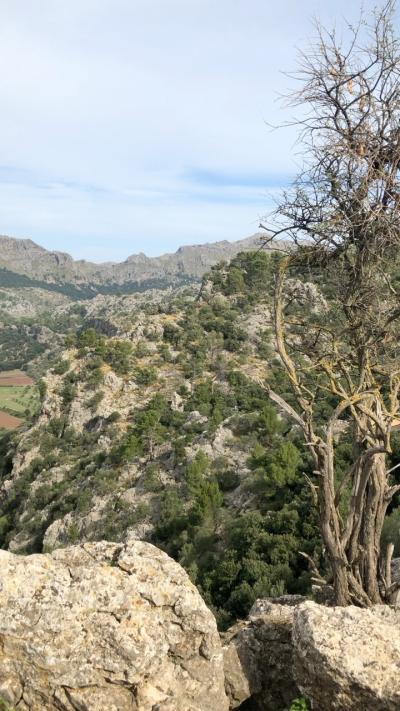
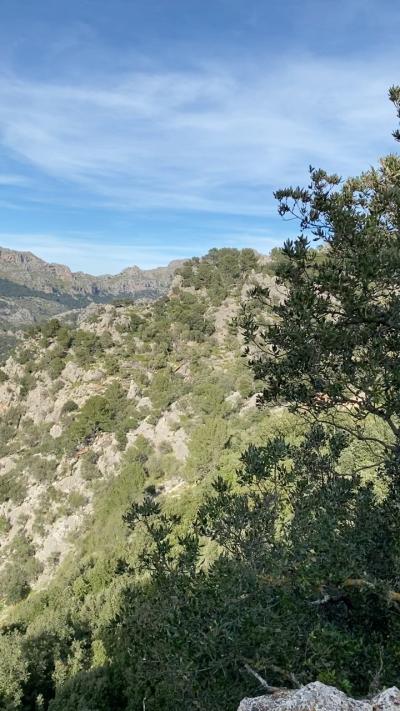
The landscape around the island shifts remarkably with the seasons, revealing different facets of its charm throughout the year. Spring breathes life into the Serra de Tramuntana, where almond and carob trees burst into blossom, painting towns like Valldemossa and Deia with pastels. Wildflowers carpet the fields near Pollenca and Alcudia, while the crisp air and mild temperatures make it an ideal time for hiking along the Ma-10 or exploring the vibrant TIB bus routes without the summer crowds.
Summer brings swaths of pine-green hills and sun-drenched beaches such as Es Trenc or Cala Mondrago to their fullest, attracting sunbathers and swimmers drawn to the turquoise Mediterranean. The coastal roads, especially the Ma-13 north towards Formentor, fill with cyclists and motorists eager to enjoy the lengthy daylight. The evenings often carry the scent of rosemary and pine, and towns like Palma hum with activity during festivals such as Nit de Foc, adding a spark of local culture to the balmy nights.
Autumn is subtle yet spectacular, as vineyards in Binissalem turn to gold, and olive groves near Manacor reveal their seasonal bounty. Cooler days enhance the beauty of the Tramuntana’s rugged peaks, giving hikers crisp air and vivid views. The festive atmosphere continues with market stalls selling sobrassada and freshly baked ensaimadas, ideal after a day wandering narrow streets or scenic drives along the Ma-19.
Winter’s quieter months cloak the island in soft greens and occasional mists lingering over the mountain villages. Although snowfall is rare on the coast, the higher Tramuntana summits may glisten white, providing a peaceful contrast to normally bustling Palma. This cooler season invites discovery of the island’s culinary comforts — enjoying a warming glass of Hierbas liqueur in a cozy café or sampling rich tumbet after attending Sant Sebastià festivities under crisp winter skies. Each season brings its own rhythm, inviting visitors to experience Mallorca’s evolving natural beauty anew.
Summer brings swaths of pine-green hills and sun-drenched beaches such as Es Trenc or Cala Mondrago to their fullest, attracting sunbathers and swimmers drawn to the turquoise Mediterranean. The coastal roads, especially the Ma-13 north towards Formentor, fill with cyclists and motorists eager to enjoy the lengthy daylight. The evenings often carry the scent of rosemary and pine, and towns like Palma hum with activity during festivals such as Nit de Foc, adding a spark of local culture to the balmy nights.
Autumn is subtle yet spectacular, as vineyards in Binissalem turn to gold, and olive groves near Manacor reveal their seasonal bounty. Cooler days enhance the beauty of the Tramuntana’s rugged peaks, giving hikers crisp air and vivid views. The festive atmosphere continues with market stalls selling sobrassada and freshly baked ensaimadas, ideal after a day wandering narrow streets or scenic drives along the Ma-19.
Winter’s quieter months cloak the island in soft greens and occasional mists lingering over the mountain villages. Although snowfall is rare on the coast, the higher Tramuntana summits may glisten white, providing a peaceful contrast to normally bustling Palma. This cooler season invites discovery of the island’s culinary comforts — enjoying a warming glass of Hierbas liqueur in a cozy café or sampling rich tumbet after attending Sant Sebastià festivities under crisp winter skies. Each season brings its own rhythm, inviting visitors to experience Mallorca’s evolving natural beauty anew.

Sa Calobra
More Fotos