What is the historical significance of the Valldemossa Charterhouse before visiting?
- Valldemossa charterhouse
- Gothic monastery
- Mallorca history
- Carthusian order
- Chopin mallorca
- Romantic period mallorca
- Monastic heritage
- Balearic culture
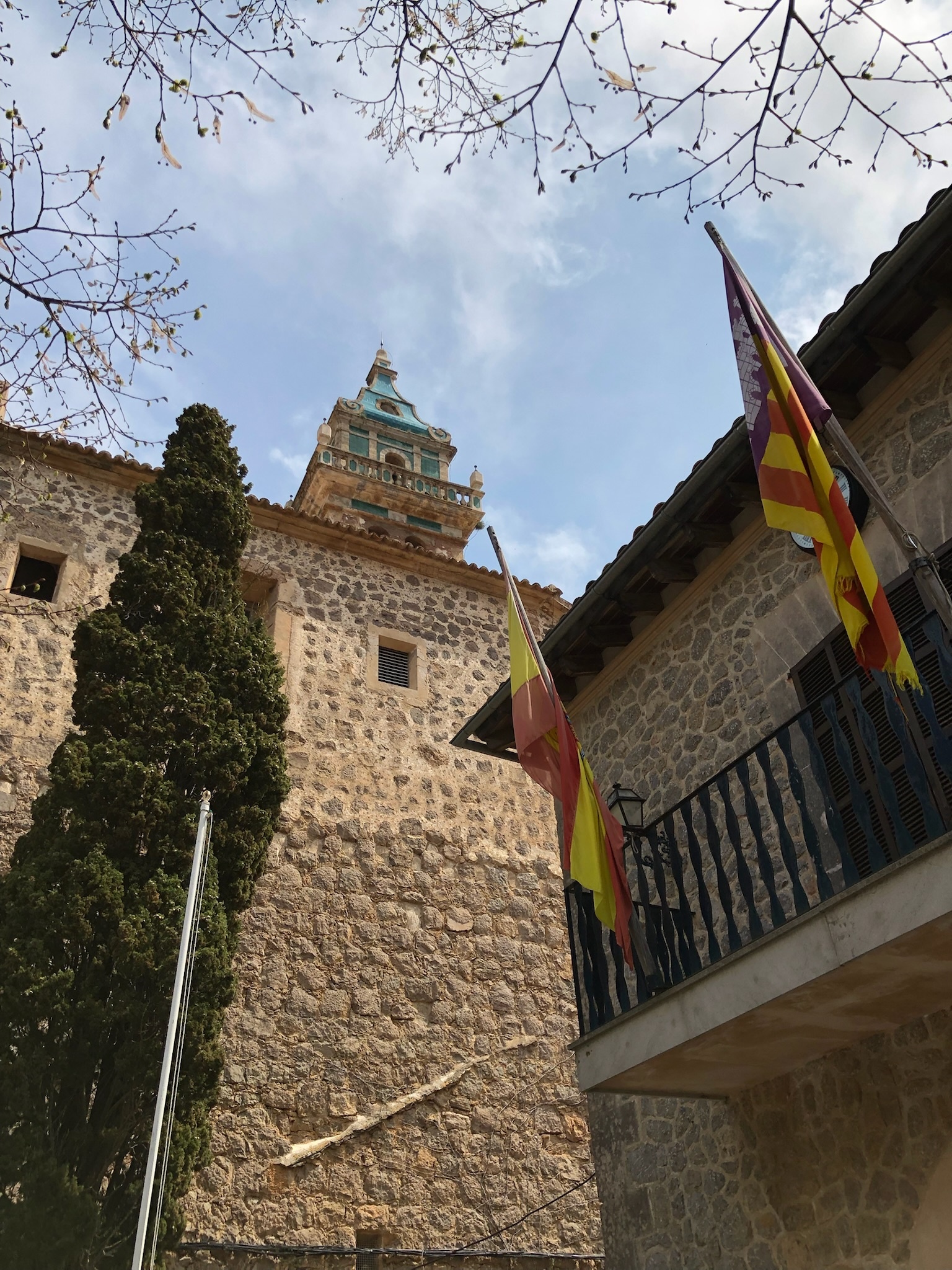
Perched in the tranquil village of Valldemossa, the Charterhouse offers a window into a layered past that enriches any visit. Founded in the early 14th century on the grounds of a former royal palace, this monastery has witnessed centuries of Mallorca’s cultural and religious evolution. Its austere Gothic architecture includes a cloister, chapel, and monks’ cells, reflecting the contemplative life once led here and the Carthusian order’s disciplined spirituality.
Beyond its architectural heritage, the Charterhouse played a pivotal role as a cultural hub, notably during the Romantic period when the composer Frédéric Chopin and writer George Sand stayed here during a winter in the 1830s. Their presence left a lasting mark, inspiring local traditions and the arts. The monastery’s archives and museum showcase manuscripts and religious artifacts that tell of the monks’ daily lives, as well as the agricultural practices they developed to sustain the community.
Walking through the gardens and rooms, visitors can sense how the Charterhouse served not only as a spiritual retreat but also as a beacon of intellectual preservation and artistic influence throughout turbulent times on the island. Learning about these historical layers offers a deeper appreciation of how the site shaped, and was shaped by, the island’s evolving cultural landscape.