What role have Mallorca's salt flats played in the island's history and local culture?
Similar Topics
mallorca salt flats
alcudia salt production
local culture mallorca
binissalem wine
salt harvesting history
sobrassada tradition
serra de tramuntana
mallorca festivals
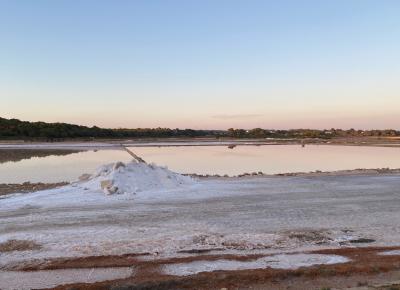
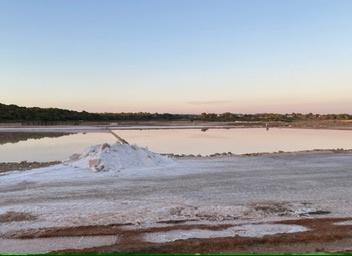
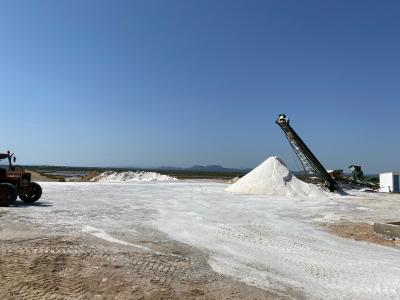
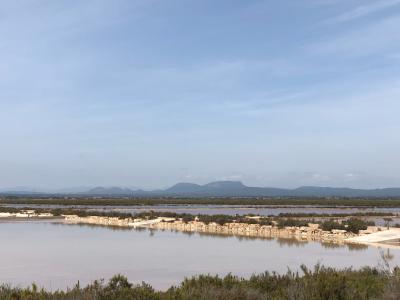
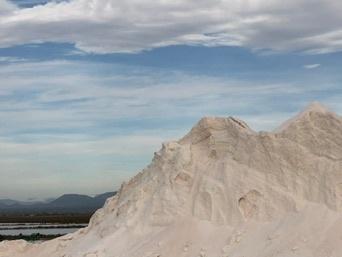
The salt flats around the bay of Alcúdia have long been more than just shimmering pools of seawater; they represent a vital part of the island’s economic and cultural heritage. Salt extraction in this region stretches back centuries, once serving as an essential method for preserving food among local communities and acting as a tradable commodity that linked coastal villages with inland towns like Manacor and Pollensa. The salt harvested here supported local livelihoods and helped shape the patterns of exchange across Mallorca, especially before refrigeration became widespread.
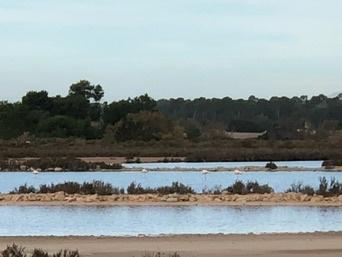
During the 19th century, the flats near places such as Ses Salines attracted increased attention as industrial demand for salt grew, bringing seasonal workers and new social dynamics to the area. This period saw the development of more structured salt production techniques along the coast near Palma and the south shore, embedding the industry into the island’s economic fabric. Even today, the salt flats stand as a living testimony to this past, often visited by locals and tourists alike who seek to understand the island’s connection to its natural resources.
Beyond economic importance, the salt flats feature in local customs and festivals, reflecting Mallorca’s respect for its environment. Events tied to traditional harvesting seasons celebrate the land’s bounty, often accompanied by tasting sessions of local foods like sobrassada and ensaimada, paired with Binissalem wine or herbal liqueurs such as Hierbas. These gatherings strengthen community identity, blending history with present-day island life while encouraging sustainable preservation of these unique wetlands. Exploring the salt flats offers insight into how nature and human endeavor have coexisted here for generations.
During the 19th century, the flats near places such as Ses Salines attracted increased attention as industrial demand for salt grew, bringing seasonal workers and new social dynamics to the area. This period saw the development of more structured salt production techniques along the coast near Palma and the south shore, embedding the industry into the island’s economic fabric. Even today, the salt flats stand as a living testimony to this past, often visited by locals and tourists alike who seek to understand the island’s connection to its natural resources.
Beyond economic importance, the salt flats feature in local customs and festivals, reflecting Mallorca’s respect for its environment. Events tied to traditional harvesting seasons celebrate the land’s bounty, often accompanied by tasting sessions of local foods like sobrassada and ensaimada, paired with Binissalem wine or herbal liqueurs such as Hierbas. These gatherings strengthen community identity, blending history with present-day island life while encouraging sustainable preservation of these unique wetlands. Exploring the salt flats offers insight into how nature and human endeavor have coexisted here for generations.
ses Covetes
More Fotos