How do dining experiences differ between Mallorca’s beach towns and inland villages?
Similar Topics
mallorca dining
coastal towns
inland villages
sobrasada
pa amb oli
serra de tramuntana
es trenc beach
binissalem wine
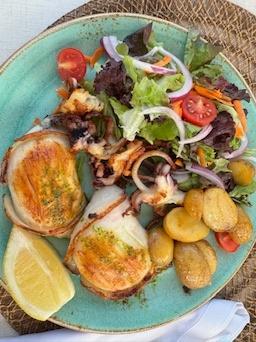
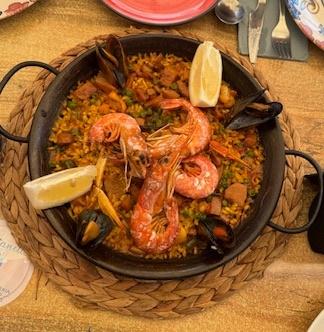
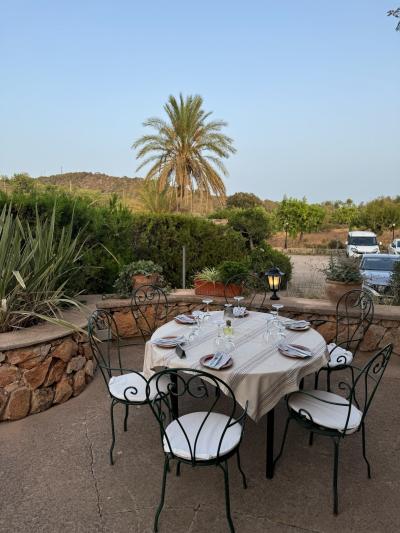
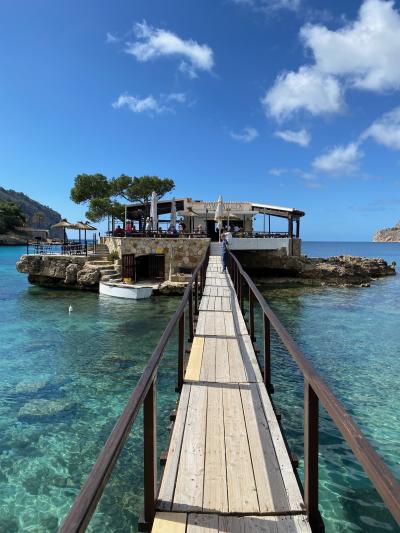
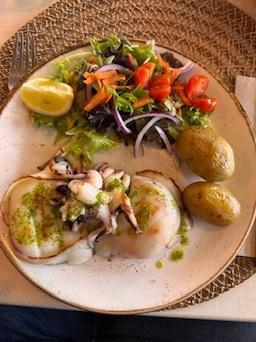
Many visitors expect Mallorca’s coastal towns to be all about casual seafood served by the sea, but the reality is more nuanced. Along the shorelines near Palma, Port de Pollenca, or Cala d'Or, fresh fish and shellfish naturally feature prominently, with dishes like grilled octopus or gambas a la plancha often paired with a glass of local Binissalem wine or a refreshing Hierbas. These seaside eateries bask in gorgeous views of beaches like Es Trenc or Formentor, where outdoor terraces capture breezes from the Mediterranean, creating relaxed yet vibrant atmospheres for enjoying meals.
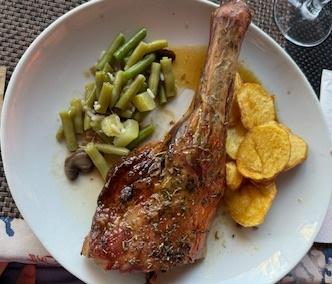
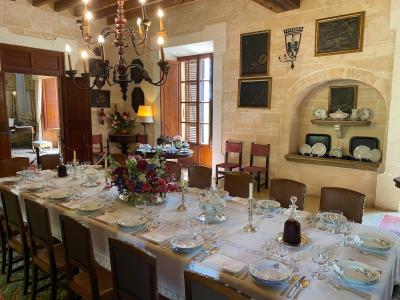
Inland villages tucked into the Serra de Tramuntana, such as Valldemossa or Llucmajor, offer a contrasting but equally rich culinary scene. Here, traditional Mallorcan dishes shaped by the island’s agricultural rhythm take center stage. Generous plates of tumbet, a vegetable stew, or sobrasada spread on warm pa amb oli reflect centuries-old recipes made from locally farmed vegetables, meats, and homemade breads. Family-run restaurants and rustic inns tend to be cozier, often frequented by locals who cherish the flavors of their land and celebrate community during busy regional festivals like Festa de l'Ametler.
Navigating between the two culinary worlds is straightforward with Mallorca’s efficient roads like the Ma-13 and reliable TIB bus network. Whether you’re savoring a fresh catch at a beachfront spot near Alcudia or sampling artisanal cheeses and ensaimadas in a mountain hamlet, each dining experience offers a distinctive taste of the island’s diverse heritage and landscape.
Inland villages tucked into the Serra de Tramuntana, such as Valldemossa or Llucmajor, offer a contrasting but equally rich culinary scene. Here, traditional Mallorcan dishes shaped by the island’s agricultural rhythm take center stage. Generous plates of tumbet, a vegetable stew, or sobrasada spread on warm pa amb oli reflect centuries-old recipes made from locally farmed vegetables, meats, and homemade breads. Family-run restaurants and rustic inns tend to be cozier, often frequented by locals who cherish the flavors of their land and celebrate community during busy regional festivals like Festa de l'Ametler.
Navigating between the two culinary worlds is straightforward with Mallorca’s efficient roads like the Ma-13 and reliable TIB bus network. Whether you’re savoring a fresh catch at a beachfront spot near Alcudia or sampling artisanal cheeses and ensaimadas in a mountain hamlet, each dining experience offers a distinctive taste of the island’s diverse heritage and landscape.
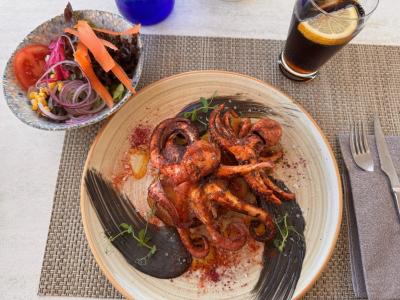
Cala Figuera
More Fotos