How has modern architecture influenced traditional styles in Mallorca?
Similar Topics
Mallorca architecture
traditional styles
modern design
sustainable practices
energy efficiency
cultural heritage
public spaces
urban environments
architectural diversity
Mallorca travel
Modern architecture has significantly influenced traditional styles in Mallorca, creating a fascinating blend that reflects both the island's rich history and contemporary design trends. The traditional Mallorcan architecture, characterized by its warm stone facades, wooden shutters, and terracotta roofs, has seen subtle yet impactful transformations as modern architects incorporate minimalist aesthetics and innovative materials. This fusion is often evident in newly constructed homes and public spaces, where traditional forms are reimagined to create airy, open interiors that embrace natural light while respecting the island’s historical context.
One prominent aspect of this architectural evolution is the integration of sustainable practices. Modern designs often prioritize energy efficiency and environmental harmony, encouraging the use of local materials and traditional building techniques adapted for contemporary needs. For example, the use of solar panels and green roofs on new constructions harmonizes with the traditional style, ensuring that modern amenities do not overshadow the island's cultural heritage. This thoughtful approach helps to preserve the unique character of Mallorca while allowing for innovations that cater to the demands of modern living.
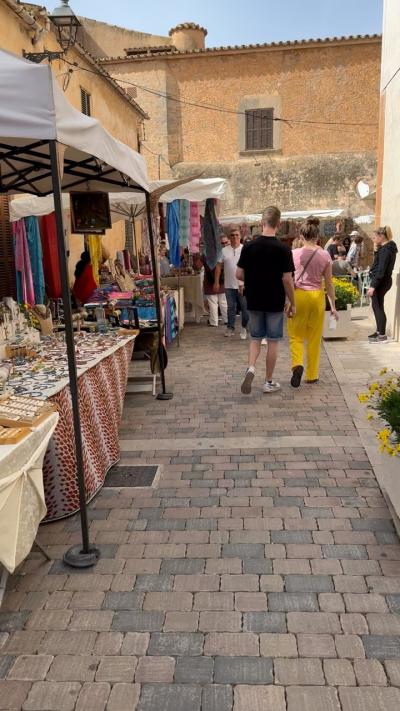
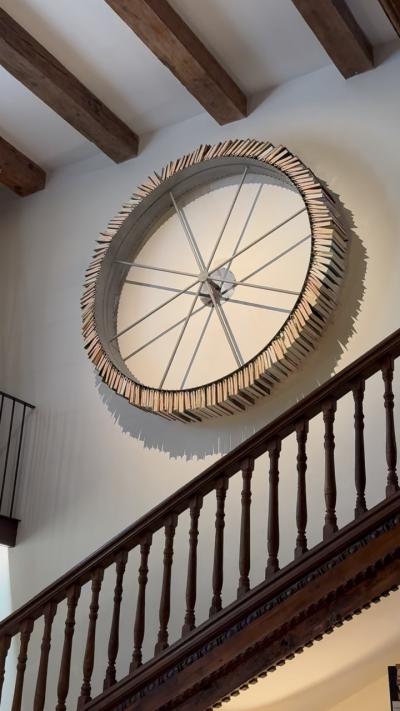
Moreover, the influence of modern architecture can be seen in the revitalization of public spaces and urban environments, where traditional plazas and streetscapes are enhanced by contemporary art installations and functional design elements. This blending of old and new has fostered a creative atmosphere that attracts both residents and visitors, encouraging a deeper appreciation for the island's architectural diversity. As you explore Mallorca, you'll find that this harmonious coexistence of traditional and modern styles not only enriches the aesthetic landscape but also tells a compelling story of the island's evolving identity.
One prominent aspect of this architectural evolution is the integration of sustainable practices. Modern designs often prioritize energy efficiency and environmental harmony, encouraging the use of local materials and traditional building techniques adapted for contemporary needs. For example, the use of solar panels and green roofs on new constructions harmonizes with the traditional style, ensuring that modern amenities do not overshadow the island's cultural heritage. This thoughtful approach helps to preserve the unique character of Mallorca while allowing for innovations that cater to the demands of modern living.
Moreover, the influence of modern architecture can be seen in the revitalization of public spaces and urban environments, where traditional plazas and streetscapes are enhanced by contemporary art installations and functional design elements. This blending of old and new has fostered a creative atmosphere that attracts both residents and visitors, encouraging a deeper appreciation for the island's architectural diversity. As you explore Mallorca, you'll find that this harmonious coexistence of traditional and modern styles not only enriches the aesthetic landscape but also tells a compelling story of the island's evolving identity.

More Fotos