What is the history behind the Arab Baths in Palma and when were they built?
Similar Topics
arab baths palma
moorish heritage mallorca
palma old town
medieval bathhouse
mallorca history
balearic islands culture
moorish architecture
palma cultural sites
Nestled in the heart of Palma’s old town, the Arab Baths stand as one of the island’s few surviving remnants of its Moorish past. Likely constructed in the 10th or 11th century during Muslim rule, these baths echo the style and social function of Andalusian hammams. The compact complex features traditional horseshoe arches, thick stone walls, and a central water basin fed by a natural spring, which exemplify the blend of Roman and Islamic architectural influences typical of medieval bathhouses here.
During their heyday, these baths were not only places for cleansing but vibrant social hubs where local residents gathered to relax and exchange news. As Christian forces recaptured the island in the 13th century, many such structures were neglected or adapted to new uses. Fortunately, Palma’s Arab Baths were preserved and later restored, allowing visitors a rare glimpse into a chapter of Mallorcan history when the island was a crossroads of Mediterranean cultures.
Today, the baths form part of a small museum complex, inviting reflection on centuries of cultural interplay that shaped Palma’s unique identity. Exploring this site offers a nuanced sense of how past residents balanced practical hygiene with leisure and community—all under the vaulted arches that still shelter whispered echoes from long ago. Nearby, one can also explore the winding streets and ancient walls that frame this story of coexistence in the Balearics.
During their heyday, these baths were not only places for cleansing but vibrant social hubs where local residents gathered to relax and exchange news. As Christian forces recaptured the island in the 13th century, many such structures were neglected or adapted to new uses. Fortunately, Palma’s Arab Baths were preserved and later restored, allowing visitors a rare glimpse into a chapter of Mallorcan history when the island was a crossroads of Mediterranean cultures.
Today, the baths form part of a small museum complex, inviting reflection on centuries of cultural interplay that shaped Palma’s unique identity. Exploring this site offers a nuanced sense of how past residents balanced practical hygiene with leisure and community—all under the vaulted arches that still shelter whispered echoes from long ago. Nearby, one can also explore the winding streets and ancient walls that frame this story of coexistence in the Balearics.
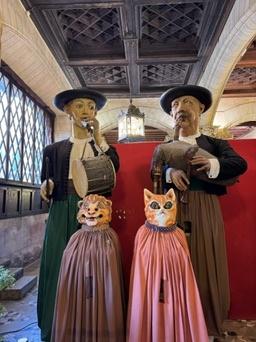
Palma
More Fotos

Related Questions
Related Question
Are there specific family-friendly cycling routes in Mallorca that you would recommend?
Related Question
Where can I find shops or workshops offering unique pearl jewelry experiences near Palma or along Mallorca’s coast?
Related Question
When is the best time of day to visit Mallorca’s beaches for a memorable experience?