How do the cultural spaces in Palma reflect the island's history?
Similar Topics
Palma cultural spaces
Mallorca history
La Seu Cathedral
Es Baluard Museum
Mallorca architecture
Palma old town
art galleries Mallorca
Maritime Museum Palma
traditional festivals Mallorca
Mallorca travel guide
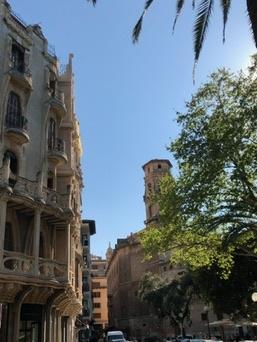
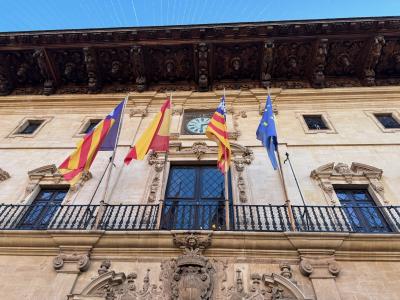
Palma, the vibrant capital of Mallorca, is a treasure trove of cultural spaces that vividly reflect the island's rich and diverse history. The architecture alone tells stories of the different civilizations that have influenced the region, from the Moorish period to the Catalan conquest. The iconic La Seu Cathedral, with its stunning Gothic design, stands as a testament to the island's medieval past, showcasing not only religious devotion but also the power and wealth that the city accrued during the 13th century. As you wander through the labyrinthine streets of the old town, you can feel the echoes of history in the beautifully preserved buildings, many of which have been repurposed into art galleries and museums.
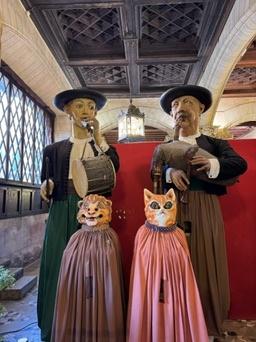
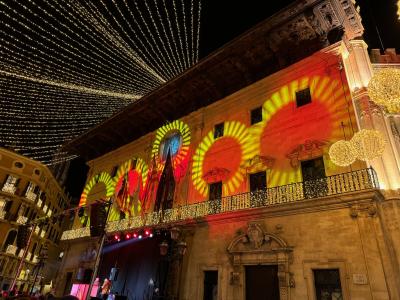
In addition to its architectural wonders, Palma's cultural spaces also celebrate the island’s artistic heritage. The Es Baluard Museum of Modern and Contemporary Art serves as a bridge between the past and present, featuring works by local and international artists while nestled within historic fortifications. This juxtaposition highlights the ongoing dialogue between Mallorca's historical identity and its contemporary cultural scene. The presence of local artisan markets and traditional festivals throughout the year further enriches this cultural tapestry, allowing visitors to engage with the island's history through crafts, music, and cuisine.
Moreover, the influence of the sea, which has shaped Mallorca's identity for centuries, is evident in many of Palma's cultural spaces. The Maritime Museum provides insight into the island's seafaring past, detailing how trade and naval power played crucial roles in its development. As you explore these spaces, you can't help but appreciate how they collectively embody the spirit of Palma—a place where history is not just preserved but actively celebrated and woven into the fabric of everyday life. Each visit offers a new understanding of the island's evolution, making Palma a continually fascinating destination for those looking to connect with its cultural roots.
In addition to its architectural wonders, Palma's cultural spaces also celebrate the island’s artistic heritage. The Es Baluard Museum of Modern and Contemporary Art serves as a bridge between the past and present, featuring works by local and international artists while nestled within historic fortifications. This juxtaposition highlights the ongoing dialogue between Mallorca's historical identity and its contemporary cultural scene. The presence of local artisan markets and traditional festivals throughout the year further enriches this cultural tapestry, allowing visitors to engage with the island's history through crafts, music, and cuisine.
Moreover, the influence of the sea, which has shaped Mallorca's identity for centuries, is evident in many of Palma's cultural spaces. The Maritime Museum provides insight into the island's seafaring past, detailing how trade and naval power played crucial roles in its development. As you explore these spaces, you can't help but appreciate how they collectively embody the spirit of Palma—a place where history is not just preserved but actively celebrated and woven into the fabric of everyday life. Each visit offers a new understanding of the island's evolution, making Palma a continually fascinating destination for those looking to connect with its cultural roots.

Palma
More Fotos