How does the climate in Mallorca affect its local wine production?
Similar Topics
mallorca wine
climate effect
binissalem vineyards
grape ripening
tramuntana microclimate
dry farming
local varietals
mediterranean climate
If you’re curious about the island’s wines, understanding the local climate is key. The Mediterranean warmth, with its hot, dry summers and mild winters, provides an excellent environment for grape growing. Long sunny days help fully ripen the grapes, concentrating sugars and developing rich flavors, while the cooler nights preserve the acidity, striking a delicate balance in the wines. This diurnal variation is especially noticeable in vineyards around Binissalem, the island’s principal wine region, where altitude and proximity to the Tramuntana mountains create favorable conditions.
Rainfall on the island tends to be scarce and uneven, mostly arriving in the cooler months. This means vines must often rely on deep-rooted water reserves, which stresses the vines just enough to produce more concentrated grapes. Some vintners embrace this challenge, using traditional dry farming techniques; others irrigate selectively. The effect of these practices can be tasted in local varietals like Manto Negro and Callet, which express the terroir’s warmth and mineral nuances.
Microclimates add further complexity to the island’s viticulture. Vineyards near Manacor, for instance, benefit from different soil compositions and exposures than those in Alcudia or the highlands around Soller. These subtle variations contribute to distinct flavor profiles in the island’s reds, whites, and rosés. Exploring local wineries reveals not only the island’s climate impact but also how each producer interprets their unique patch of land, offering a genuine taste of Mallorca’s diverse wine heritage.
Rainfall on the island tends to be scarce and uneven, mostly arriving in the cooler months. This means vines must often rely on deep-rooted water reserves, which stresses the vines just enough to produce more concentrated grapes. Some vintners embrace this challenge, using traditional dry farming techniques; others irrigate selectively. The effect of these practices can be tasted in local varietals like Manto Negro and Callet, which express the terroir’s warmth and mineral nuances.
Microclimates add further complexity to the island’s viticulture. Vineyards near Manacor, for instance, benefit from different soil compositions and exposures than those in Alcudia or the highlands around Soller. These subtle variations contribute to distinct flavor profiles in the island’s reds, whites, and rosés. Exploring local wineries reveals not only the island’s climate impact but also how each producer interprets their unique patch of land, offering a genuine taste of Mallorca’s diverse wine heritage.
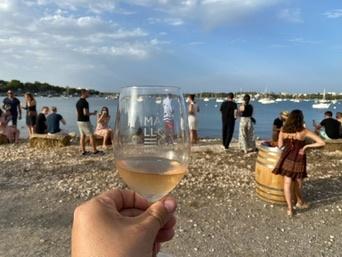
Cala Marçal
More Fotos





Related Questions
Related Question
Should I book a bike rental in Palma or Soller ahead of time, or can I rent one on arrival?
Related Question
Where can I find the best beaches and coves for swimming and sunbathing on Mallorca?
Related Question
What conservation efforts are in place to protect Mallorca's unique plant species?