What kinds of plants can children explore on Mallorca during a nature visit?
Similar Topics
mallorca plants
tramuntana flora
children nature
mediterranean herbs
almond orchards
mondrago park
pa amb oli
valldemossa
Children exploring the Serra de Tramuntana or the dry stone terraces around Valldemossa will encounter a rich tapestry of Mediterranean flora. Wild rosemary, lavender, and thyme are common scents drifting through the air, giving kids a chance to learn about aromatic herbs that have shaped local cooking and traditions. In natural parks like Mondragó, colorful flower species such as rockroses and cistus bloom seasonally, providing lively examples of how plants adapt to the island’s sunny, dry climate. These simple encounters help explain concepts like drought resistance and pollination, often highlighted by visiting bees and butterflies.
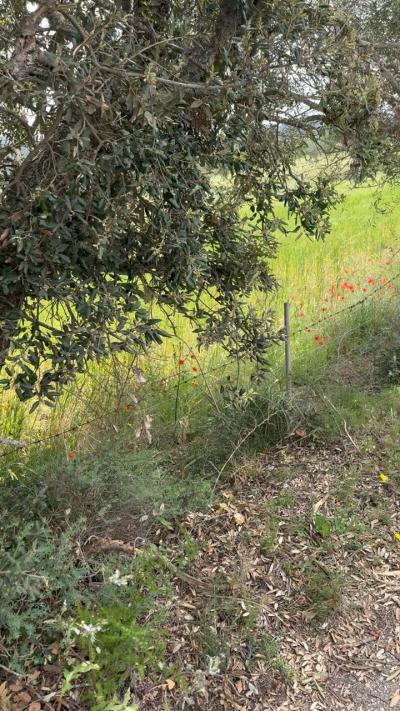
Around the olive groves and almond orchards near Soller and Pollenca, youngsters can discover native trees that define the rural landscape. Recognizing olive and carob trees introduces them to crops that sustain local communities, while spotting the rugged pines of the higher Tramuntana slopes teaches about forest ecosystems. By walking trails with informative signs, children can compare leaf shapes and textures, or count growth rings on fallen branches, engaging directly with nature.
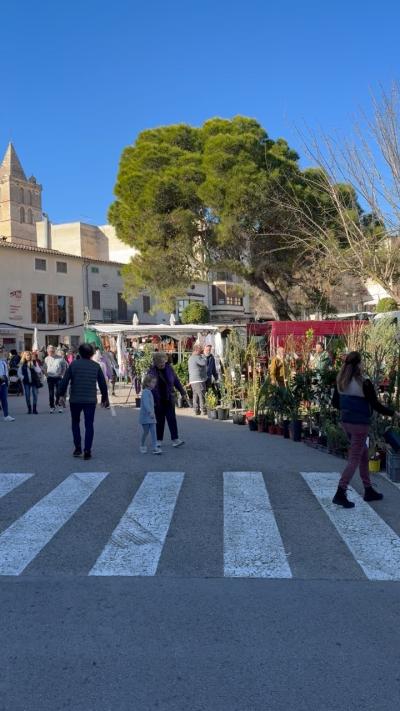
Many village gardens and urban parks, such as in Palma or Alcudia, also include beds of local vegetables and herbs like basil, fresh mint, or tomato plants. These spots offer a more hands-on experience in understanding the connection between the island’s farming heritage and its cuisine. Through tasting local specialities like pa amb oli or observing how fresh ingredients grow nearby, kids can appreciate where their food originates. Altogether, the island offers an inspiring natural classroom for youngsters, blending wild landscapes with cultivated gardens to nurture curiosity and respect for the environment.
Around the olive groves and almond orchards near Soller and Pollenca, youngsters can discover native trees that define the rural landscape. Recognizing olive and carob trees introduces them to crops that sustain local communities, while spotting the rugged pines of the higher Tramuntana slopes teaches about forest ecosystems. By walking trails with informative signs, children can compare leaf shapes and textures, or count growth rings on fallen branches, engaging directly with nature.
Many village gardens and urban parks, such as in Palma or Alcudia, also include beds of local vegetables and herbs like basil, fresh mint, or tomato plants. These spots offer a more hands-on experience in understanding the connection between the island’s farming heritage and its cuisine. Through tasting local specialities like pa amb oli or observing how fresh ingredients grow nearby, kids can appreciate where their food originates. Altogether, the island offers an inspiring natural classroom for youngsters, blending wild landscapes with cultivated gardens to nurture curiosity and respect for the environment.

More Fotos