How convenient is it to visit Mallorca's main sights from rural fincas compared to staying at coastal resorts?
Similar Topics
mallorca rural hotels
coastal resorts mallorca
tramuntana transport
tib bus mallorca
ma-10 road
soller railway
es trenc beach
local mallorca food
Rising early in a peaceful village like Valldemossa or Deia, the air filled with the scent of pine and orange blossoms, you might find yourself a bit farther from the island's busiest highlights. Coastal resorts near Palma, Alcudia, or along the Ma-19 highway offer immediate access to well-known beaches like Cala Llombards or lively promenades where buses from the TIB network run regularly. Here, visitors can easily hop on a public bus or join organized tours to reach sites such as the historic Palma cathedral or the bustling markets of Soller without needing a car.
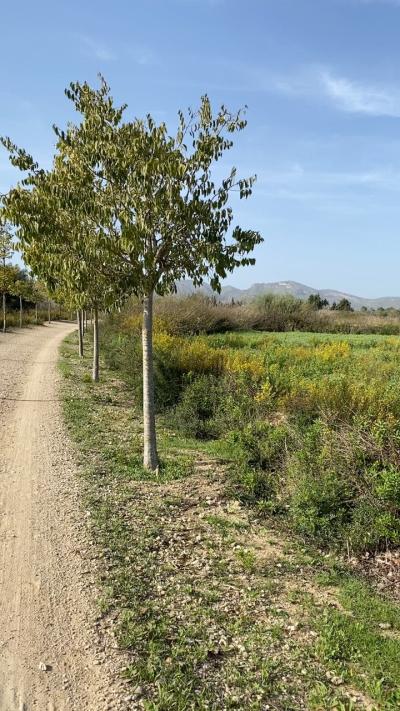
By contrast, staying in a rural finca nestled in the Tramuntana mountains or near Manacor demands more planning. While the tranquility and scenic countryside enrich your experience, public transport options are more limited and less frequent. Renting a car becomes almost essential to explore hidden gems like the limestone caves of Campanet or to sample local specialties at small village markets. Yet, driving along the winding Ma-10 from Soller or the lesser-traveled roads near Pollenca invites discovery beyond the beach crowds.
Choosing between the two depends on how you want to explore. Coastal resorts favor convenience with easy links to popular sights and beaches such as Es Trenc or Formentor. Meanwhile, rural accommodations offer immersion in island life, a chance to pause over a plate of tumbet or savor Hierbas liqueur in a quiet plaza. Even if it involves a more deliberate approach to transport, the rewards include off-the-beaten-path charm and authentic moments that coastal areas can’t always provide.
By contrast, staying in a rural finca nestled in the Tramuntana mountains or near Manacor demands more planning. While the tranquility and scenic countryside enrich your experience, public transport options are more limited and less frequent. Renting a car becomes almost essential to explore hidden gems like the limestone caves of Campanet or to sample local specialties at small village markets. Yet, driving along the winding Ma-10 from Soller or the lesser-traveled roads near Pollenca invites discovery beyond the beach crowds.
Choosing between the two depends on how you want to explore. Coastal resorts favor convenience with easy links to popular sights and beaches such as Es Trenc or Formentor. Meanwhile, rural accommodations offer immersion in island life, a chance to pause over a plate of tumbet or savor Hierbas liqueur in a quiet plaza. Even if it involves a more deliberate approach to transport, the rewards include off-the-beaten-path charm and authentic moments that coastal areas can’t always provide.

More Fotos