How do local communities on the island help protect birdlife and their habitats?
Similar Topics
bird conservation
local communities
balearic shearwater
albufera wetlands
tramuntana mountains
habit restoration
s’albufereta reserve
eco-tourism
As you wander through places like the Albufera wetlands near Alcudia or the pine forests along the Tramuntana, it’s clear that local residents play a key role in preserving these vital bird habitats. Many villages on the island, from Pollensa to Manacor, have longstanding traditions connected to the natural world, fostering a deep respect for their surroundings. Community groups often organize guided birdwatching and educational walks, especially around sensitive sites like the S’Albufereta nature reserve, helping both locals and visitors understand the importance of protecting native species.
Farmers and shepherds practicing traditional agriculture around Valldemossa or Deià contribute by maintaining landscapes that support birds like the Balearic shearwater or the Mediterranean warbler. Local volunteers also assist scientists by monitoring nests and reporting sightings, providing essential data to conservation organizations focused on balancing development with nature conservation. Partnerships between these grassroots initiatives and environmental agencies sometimes lead to the restoration of dune habitats near Es Trenc or the control of invasive plants threatening nesting sites.
Cultural celebrations, including village fiestas and even artisan crafts featuring iconic Mallorcan birds, underscore the islanders’ connection to local wildlife. This integration of nature into daily life encourages sustainable behaviors—whether supporting eco-tourism or choosing native plantings in gardens—that benefit bird populations. In short, the conservation of Mallorca’s unique avian life depends heavily on the knowledge, pride, and actions of its local communities, who blend tradition with modern stewardship to safeguard these fragile ecosystems.
Farmers and shepherds practicing traditional agriculture around Valldemossa or Deià contribute by maintaining landscapes that support birds like the Balearic shearwater or the Mediterranean warbler. Local volunteers also assist scientists by monitoring nests and reporting sightings, providing essential data to conservation organizations focused on balancing development with nature conservation. Partnerships between these grassroots initiatives and environmental agencies sometimes lead to the restoration of dune habitats near Es Trenc or the control of invasive plants threatening nesting sites.
Cultural celebrations, including village fiestas and even artisan crafts featuring iconic Mallorcan birds, underscore the islanders’ connection to local wildlife. This integration of nature into daily life encourages sustainable behaviors—whether supporting eco-tourism or choosing native plantings in gardens—that benefit bird populations. In short, the conservation of Mallorca’s unique avian life depends heavily on the knowledge, pride, and actions of its local communities, who blend tradition with modern stewardship to safeguard these fragile ecosystems.
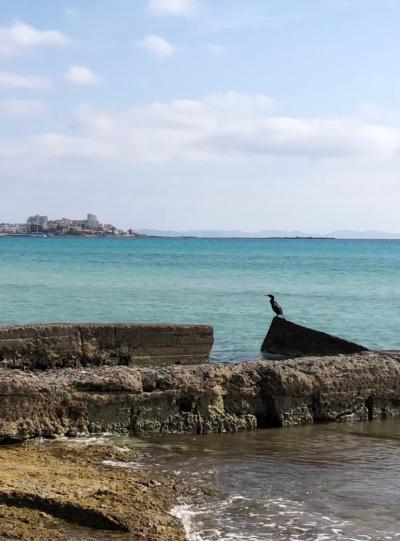
ses Covetes
More Fotos



Related Questions
Related Question
Are the sandy beaches around Alcudia and Es Trenc accessible for visitors with limited mobility?
Related Question
Are there any places near Palma's markets where I can try authentic Mallorcan food?
Related Question
How do the coastal areas of Mallorca differ in climate from the inland regions?