How do conservation efforts in the Serra de Tramuntana affect the island's native wildlife and habitats?
Similar Topics
serra de tramuntana
conservation efforts
native wildlife
habitat restoration
bonelli's eagle
mallorca biodiversity
tramuntana ecosystem
ma-10 road
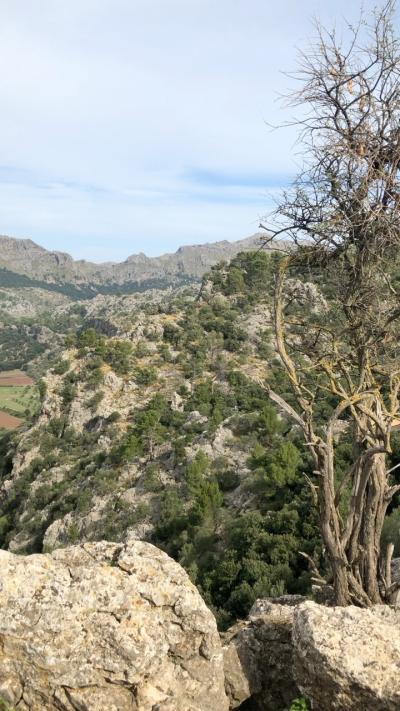
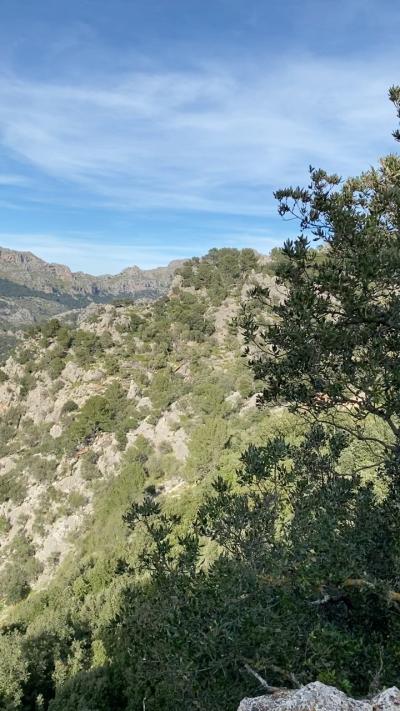
Early morning light reveals the delicate balance maintained by conservation initiatives in the Serra de Tramuntana, a UNESCO World Heritage site that stretches along Mallorca's northwest coast. These efforts focus on preserving the rich biodiversity found in the rugged limestone mountains, where endangered birds of prey like the Bonelli's eagle nest, and endemic plants cling to the steep slopes. Local authorities and environmental groups work together to protect these habitats from the threat of wildfires and invasive species, employing measures like controlled grazing and reforestation with native pine and holm oak trees.
Alongside safeguarding flora and fauna, traditional farming terraces are rejuvenated, maintaining the cultural landscape that supports wildlife corridors. This blend of habitat restoration and cultural preservation nurtures a thriving ecosystem that includes wild goats, rare orchids, and migratory birds making their way along the coastline. Community engagement plays a key role, with guided walks from towns such as Valldemossa and Deià helping visitors understand the intricate relationship between humans and nature here.
Efforts to reduce pollution and manage tourist footfall along popular routes, such as the Ma-10 road, also contribute to maintaining these fragile environments. As the seasons change, so too do the demands on the landscape, with hotter summers posing new challenges. Overall, conservation in the Tramuntana fosters a resilient environment where native species flourish, ensuring this mountainous backbone remains a sanctuary of natural heritage for both locals and visitors.
Alongside safeguarding flora and fauna, traditional farming terraces are rejuvenated, maintaining the cultural landscape that supports wildlife corridors. This blend of habitat restoration and cultural preservation nurtures a thriving ecosystem that includes wild goats, rare orchids, and migratory birds making their way along the coastline. Community engagement plays a key role, with guided walks from towns such as Valldemossa and Deià helping visitors understand the intricate relationship between humans and nature here.
Efforts to reduce pollution and manage tourist footfall along popular routes, such as the Ma-10 road, also contribute to maintaining these fragile environments. As the seasons change, so too do the demands on the landscape, with hotter summers posing new challenges. Overall, conservation in the Tramuntana fosters a resilient environment where native species flourish, ensuring this mountainous backbone remains a sanctuary of natural heritage for both locals and visitors.

Sa Calobra
More Fotos