What’s the best way to reach the Serra de Tramuntana natural park from Palma or other popular towns?
Similar Topics
serra de tramuntana
palma transport
ma-10 road
soller railway
tib buses
formentor beach
binissalem wine
pa amb oli
The easiest way to access the Serra de Tramuntana from Palma is to take the Ma-10 road, which winds north through charming villages like Valldemossa, Deià, and Sóller. If you prefer public transport, the TIB buses connect Palma with many Tramuntana towns, though schedules can be limited, especially on weekends. The historic Sóller railway offers a scenic alternative, running from Palma through orange groves and tunnels to the mountain town of Sóller. From there, local buses or taxis can take you deeper into the park’s hiking trails and viewpoints.
If you're staying along the island’s east coast in places like Manacor or Cala Millor, the Ma-15 and Ma-19 roads head west toward the Tramuntana foothills. Alcúdia and Pollença on the north coast offer good base points to explore the natural park, especially beaches like Formentor, where pine forests meet crystalline waters. Visitor centers in the park, such as the one near Lluc monastery, provide useful maps and guidance. Hiking routes are generally well-marked, but terrain varies considerably, so bringing water and suitable footwear is essential.
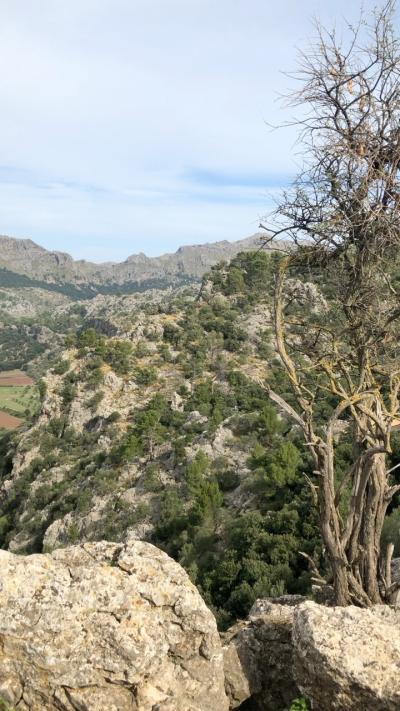
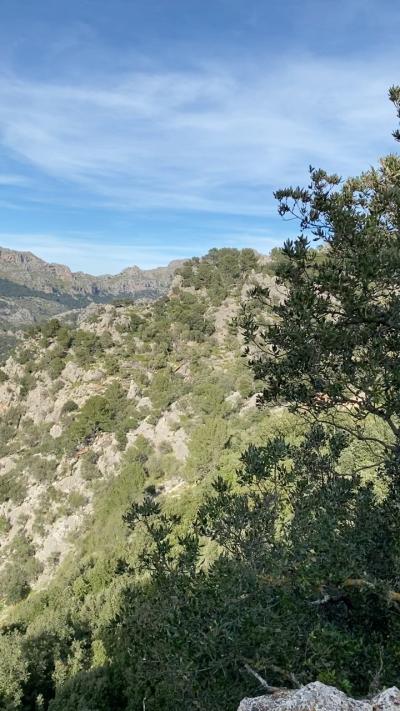
Visiting in spring or autumn can help you avoid the busy summer crowds, allowing quieter appreciation of the Tramuntana’s rugged beauty and diverse flora. To fully experience the island’s natural and cultural heritage, combining a drive or bike tour through the hills with stops for local specialties—pa amb oli in a village café, a glass of Binissalem wine, or a sample of sobrassada—is highly recommended. Whether you're seeking challenging mountain hikes or peaceful seaside coves, the Tramuntana mountain range is accessible with a bit of planning and rewards with unforgettable views and experiences.
If you're staying along the island’s east coast in places like Manacor or Cala Millor, the Ma-15 and Ma-19 roads head west toward the Tramuntana foothills. Alcúdia and Pollença on the north coast offer good base points to explore the natural park, especially beaches like Formentor, where pine forests meet crystalline waters. Visitor centers in the park, such as the one near Lluc monastery, provide useful maps and guidance. Hiking routes are generally well-marked, but terrain varies considerably, so bringing water and suitable footwear is essential.
Visiting in spring or autumn can help you avoid the busy summer crowds, allowing quieter appreciation of the Tramuntana’s rugged beauty and diverse flora. To fully experience the island’s natural and cultural heritage, combining a drive or bike tour through the hills with stops for local specialties—pa amb oli in a village café, a glass of Binissalem wine, or a sample of sobrassada—is highly recommended. Whether you're seeking challenging mountain hikes or peaceful seaside coves, the Tramuntana mountain range is accessible with a bit of planning and rewards with unforgettable views and experiences.

Sa Calobra
More Fotos



Related Questions
Related Question
How busy do beaches like Es Trenc and Cala Mondrago get during the summer if I don’t rent sunbeds or umbrellas?
Related Question
Are there any festivals or local events happening in Mallorca during our visit?
Related Question
Are there special food events or themed culinary nights on the island?